LATEST F1 NEWS
 Verstappen thrilled with first Singapore win at 10th attempt
 Verstappen your Singapore Driver of the Day after dominant win
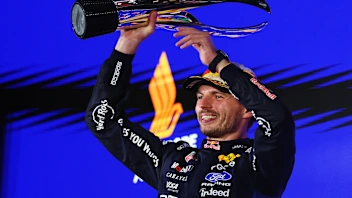 Verstappen seals commanding Singapore victory
 OFFICIAL GRID: Who starts where for the Singapore Grand Prix
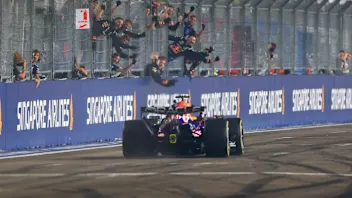 LiveLIVE COVERAGE: Verstappen wins Singapore Grand Prix
 BettingOur final predictions and latest Singapore GP odds
 Racing Bulls to make driver decision 'in the coming weeks'
 BettingOur Singapore Grand Prix Bet Builder picks made
 UnlockedWhat are the tyre strategy options for the Singapore GP?
 BettingWhy F1 fans should keep emotions out of Singapore GP
 'It is serious' – Stella addresses Norris and Piastri's clash
 UnlockedWhat To Watch For in the Singapore Grand Prix
 What the teams said – Sprint day and Qualifying in Singapore
 The F1 drivers Verstappen joins with 50 poles or more
 Russell trying to understand why Mercedes 'didn't feel the same'
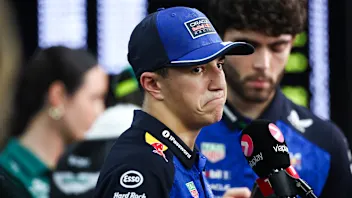 Hadjar ‘really p****d’ to miss out on Singapore Qualifying