LATEST F1 NEWS
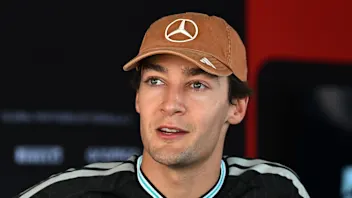 Russell on how 2026 has ‘tested my character and resilience’
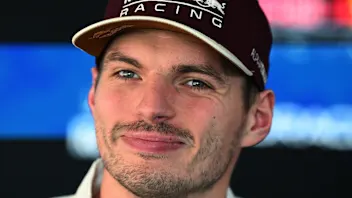 Verstappen backs Mekies' Red Bull contract extension
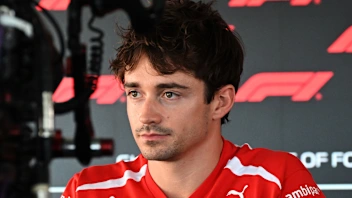 Leclerc names bigger goal than P2 in Teams’ Championship
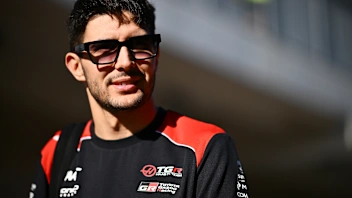 Ocon: Camara deserves a shot – but I don't deserve to be out
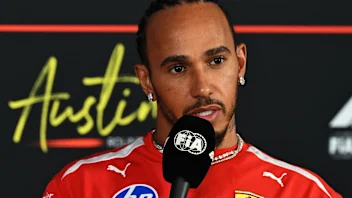 Hamilton reflects on Singapore mistakes ahead of US GP
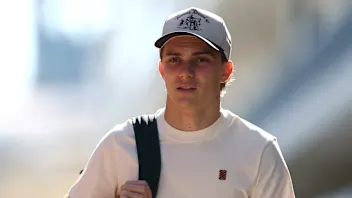 Piastri reveals ‘clear sign of progress’ in ‘challenging’ year
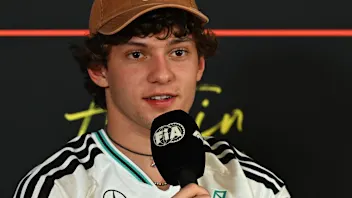 Clinching maiden F1 title 'would be a dream' – Antonelli
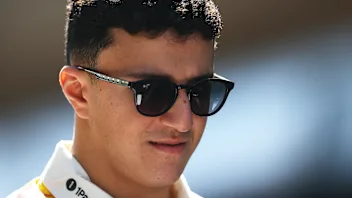 Hadjar insists Red Bull don’t have ‘the fastest car’
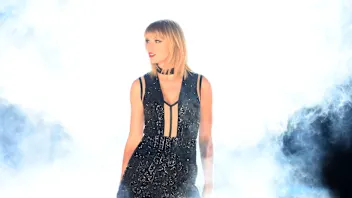 When Taylor Swift performed at the United States GP weekend
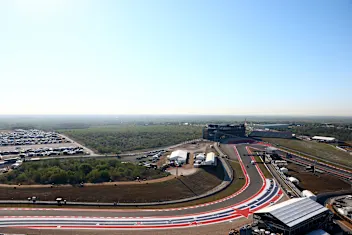 BettingBest value early odds for the United States Grand Prix
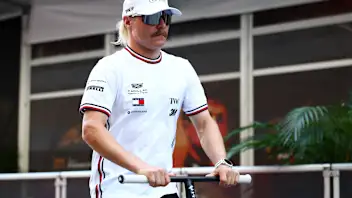 LiveLIVE COVERAGE: Build-up to the United States GP weekend
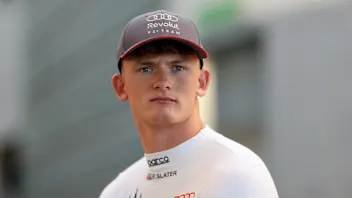 Slater to make FP1 debut with Audi in Mexico City and Sao Paulo
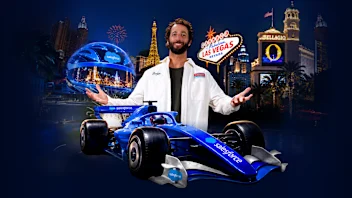 UnlockedThink you're Fan1? Win a VIP trip to Las Vegas
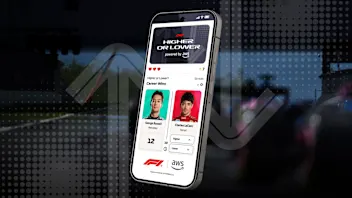 UnlockedPlay our new Higher or Lower game for your chance to win 2027 Grand Prix tickets
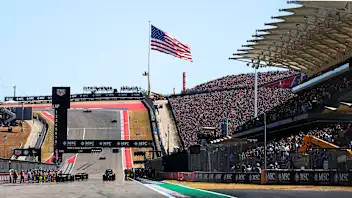 Facts, stats and trivia ahead of the 2026 United States GP
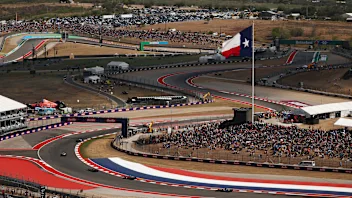 Everything you need to know about the Circuit of The Americas