A closer look at Aston Martin’s major upgrades – and the ‘overall theme’ they are chasing
Aston Martin have brought no fewer than 16 car updates to the Hungaroring, as they attempt to turn their 2026 season around.

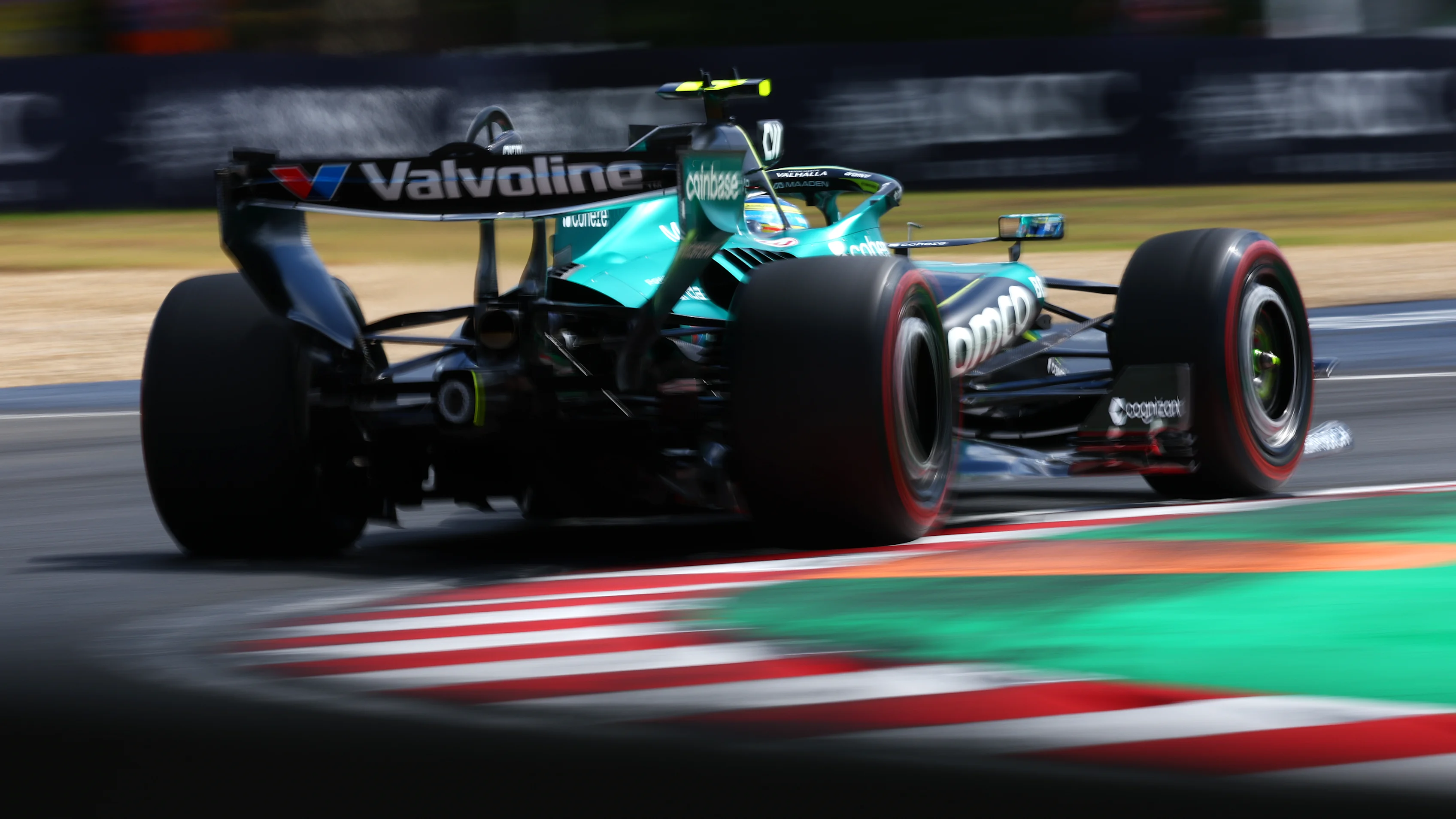
Aston Martin introduced a major upgrade package during Friday practice at the Hungarian Grand Prix. But what exactly has changed on their car, and what is the desired effect? F1.com technical expert Mark Hughes explains…
The extensive changes made to the revised Aston Martin AMR26 combine to suggest that the main preoccupation has been to support the diffuser with a more robust airflow, and thereby allow it to work at bigger rear ride heights.
This in turn will better facilitate designer Adrian Newey’s preference for a high rake angle to speed up the underfloor airflow.
The whole exposed area of floor running right along the car front-to-rear has been increased. The greater volume of air which can be channelled along that edge to feed into the gap between the rear tyre and diffuser wall, the harder it will help pull the air through the diffuser and therefore the whole floor.
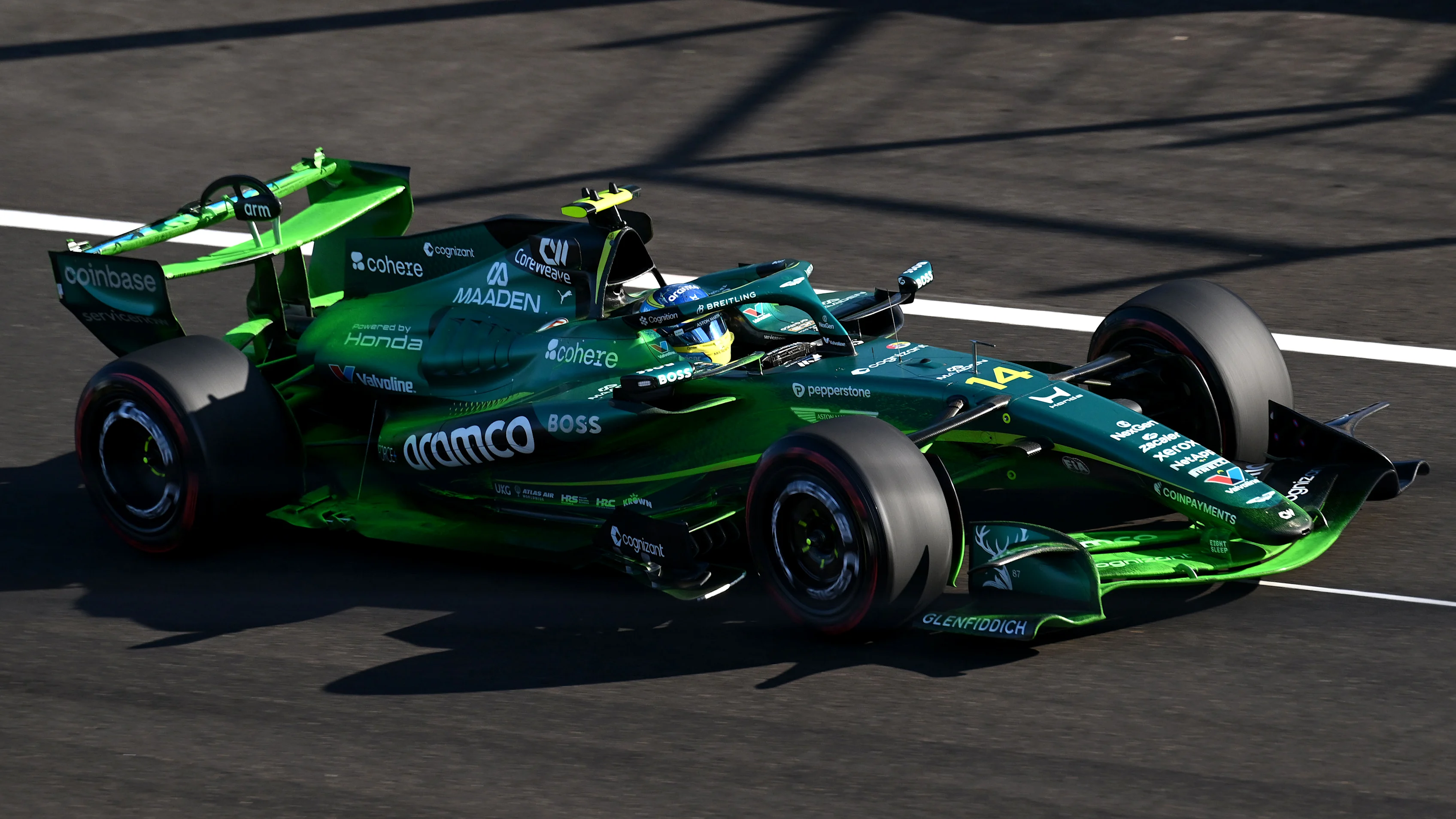
Increasing the exposed area of floor has required key changes around the front surfaces of the car, notably a much slimmer nose and key front wing changes. The choice between slim and fat nose is about how much of the airflow is directed around the outside of the front wheels and how much in between the front wheel and nose.
The various vanes and the profile of the wings (particularly the underside of the bottom mainplane) all support that choice of nose. With the slimmer nose (featuring a totally re-profiled underside), more of the flow is being directed inwards than previously.
Accordingly, the front wing elements have been reprofiled to give different loadings across their span, and the front wing endplate now has a more inward-sweeping fence, while its upper horizontal vane is now further forwards and angled further downwards.
This will manipulate the air pressures around the inside and outside of the rotating tyre differently and so can be used to route more of the flow inwards, by increasing the air pressure on the outside and reducing it on the inside.
The bottom element of the front wing (the mainplane) rises up further where it meets the endplate, increasing the volume of air beneath, directing yet more of the airflow to the inside of the tyre.
The airflow beneath the nose in the central part of the car feeds the underfloor directly, but the flow being pulled inside the tyre is then pulled back outwards by the low-pressure area induced by the big, exposed area of floor beneath the sidepod. It is this flow which then travels along the floor edges and flows inwards ahead of the rear wheels to support the diffuser’s airflow.
The regulatory floor boards (aka wake boards) just behind the front wheels have been substantially reprofiled and there is no longer an array of guide vanes behind the board (where it connects to the leading edge of the floor).
Furthermore, the board itself is much lower (and the horizontal elements behind the vertical section are further back), all suggesting that the airflow inboard of the tyre is more powerful and needs less help to stay energised.
Relieved of some of the requirement to energise that flow, the wake boards can be shaped for a better flow to the underfloor – i.e. that which is travelling through the centre part of the car from beneath the nose.
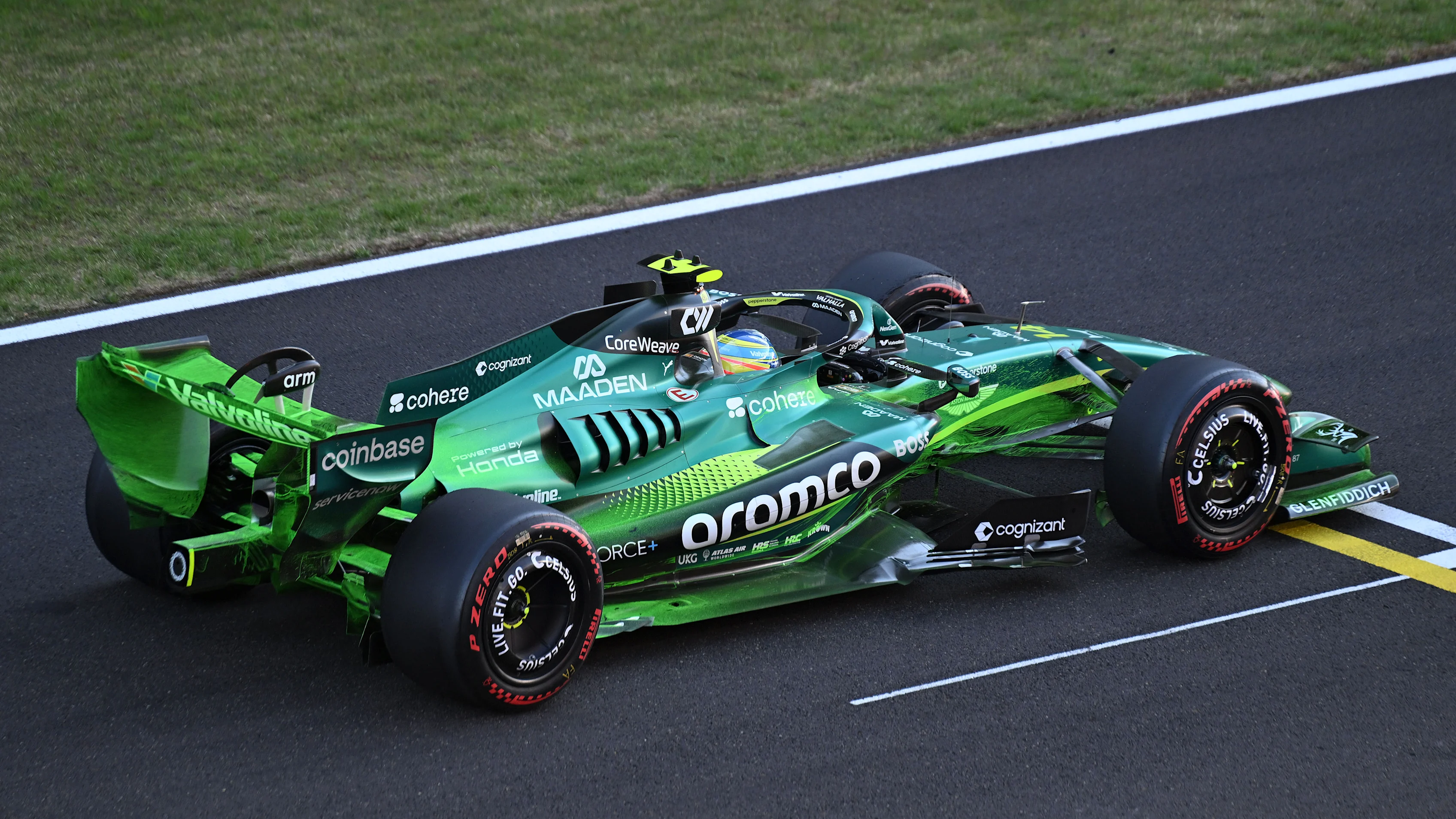
Supporting the combination of narrower nose, bigger gap beneath the outboard end of the front wing and the redistribution of inwards/outwards flow around the front tyre is a revised shaping of the sidepod.
The bodywork ‘overbite’ covering the radiator inlet has been widened and is less aggressively angled, and the sidepod itself has been slimmed in profile, though it still has a very wide upper surface in plan view, maintaining the big pressure-reducing undercut beneath.
But the undercut now has even more volume because of the slimmer pod profile (i.e. the pod is less deep). The upper surface of the pod stays wide for longer towards the back of the car, increasing the volume of the undercut even further. The undercut creates a low-pressure area, thus speeding up the flow along the floor edges.
There are further supporting changes to the rear suspension arms and their sheathing, which has apparently involved some changed pick-up points. But the overall theme of the revision appears very much to be about making Newey’s vision of high rake under these regulations more feasible.
.webp)
Next Up
Related Articles
 Mekies signs long-term contract extension with Red Bull
 Freddie Hunt on father James’ legacy 50 years after his title
 UnlockedPALMER: What really cost Hamilton a podium in Singapore?
 The 27 tracks Verstappen has won at after Singapore triumph
 Norris concedes he 'let down' McLaren with Piastri clash
 'We owe him one' – Mekies on Hadjar's Singapore issues