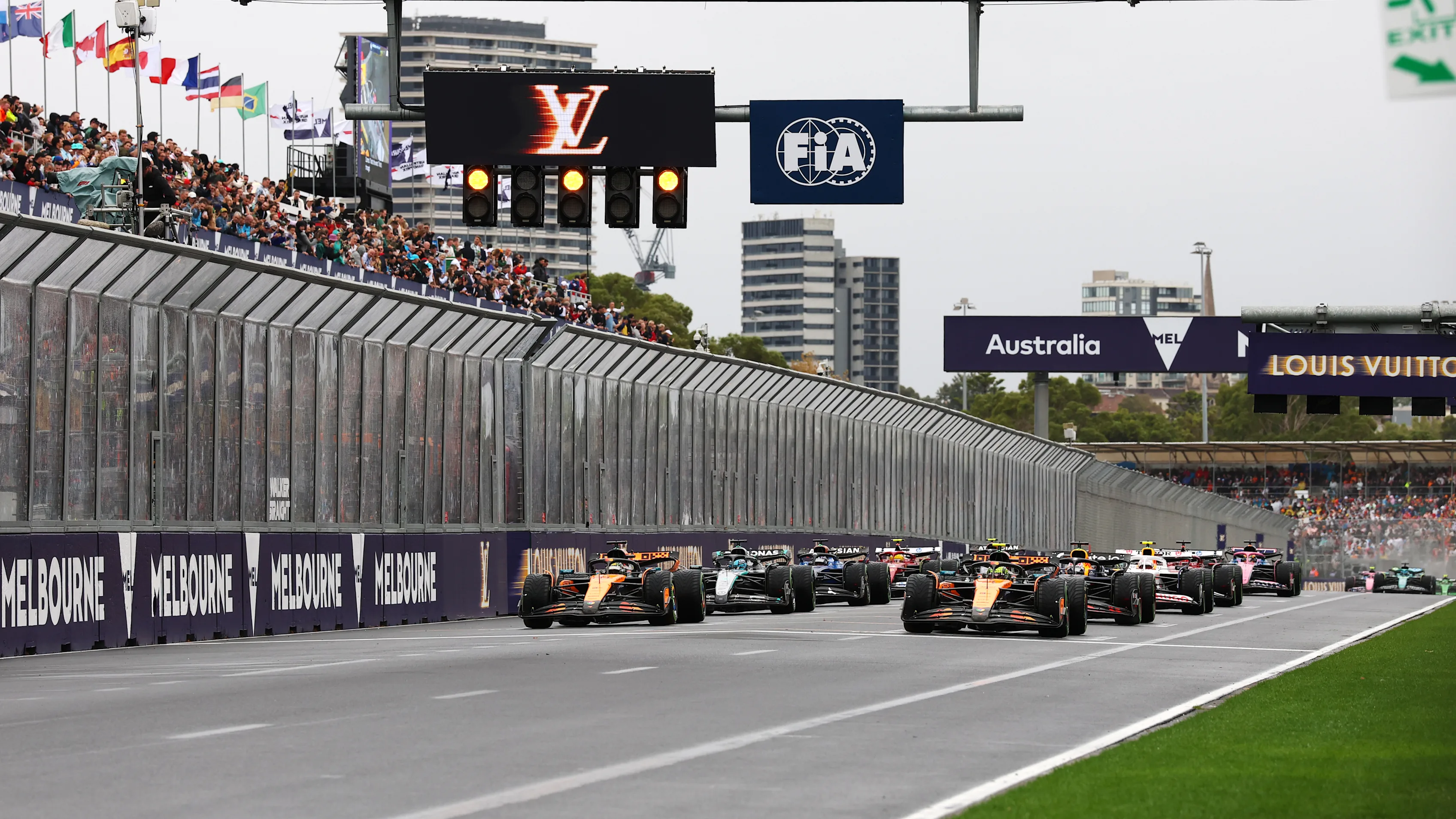
Formula 1 returns to action this weekend as the 2026 season gets under way with the Australian Grand Prix. But how much do you know about Melbourne’s Albert Park Grand Prix Circuit? F1.com present your all-in-one guide…
Key Albert Park statistics
- Circuit length: 5.278km
- Number of turns: 14
- Number of laps: 58
- Race distance: 306.124km
- Lap record: 1m 19.813s – Charles Leclerc (2024)
When was Australia’s first Grand Prix?
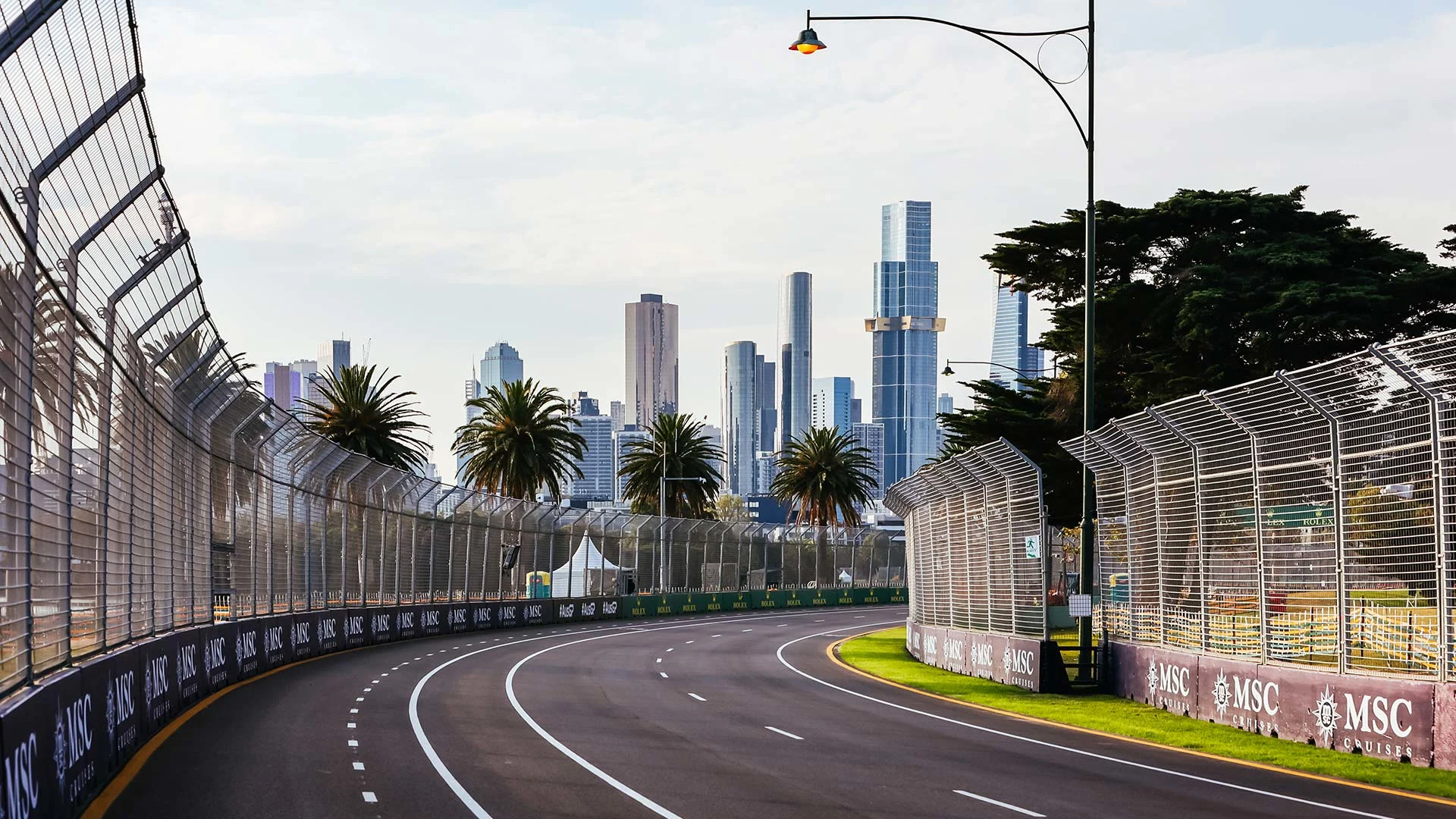
Australia first hosted a Grand Prix back in 1985, at the Adelaide Street Circuit, which remained on the calendar for a decade before making way for the current venue around Melbourne’s Albert Park.
The deal to swap Adelaide for Melbourne was done in 1993, with the decision taken to create a circuit using the existing roads around the city’s Albert Park – mainly Aughtie Drive and Lakeside Drive – with a detour through the Lakeside Stadium’s car park.
Four months after Adelaide held its last Grand Prix at the end of 1995, F1 teams were back in Australia for Melbourne’s first Grand Prix at the start of 1996 – a race often remembered for Martin Brundle’s crash at Turn 3 after his Jordan launched over the back of Johnny Herbert’s Sauber.
What’s the circuit like to drive?
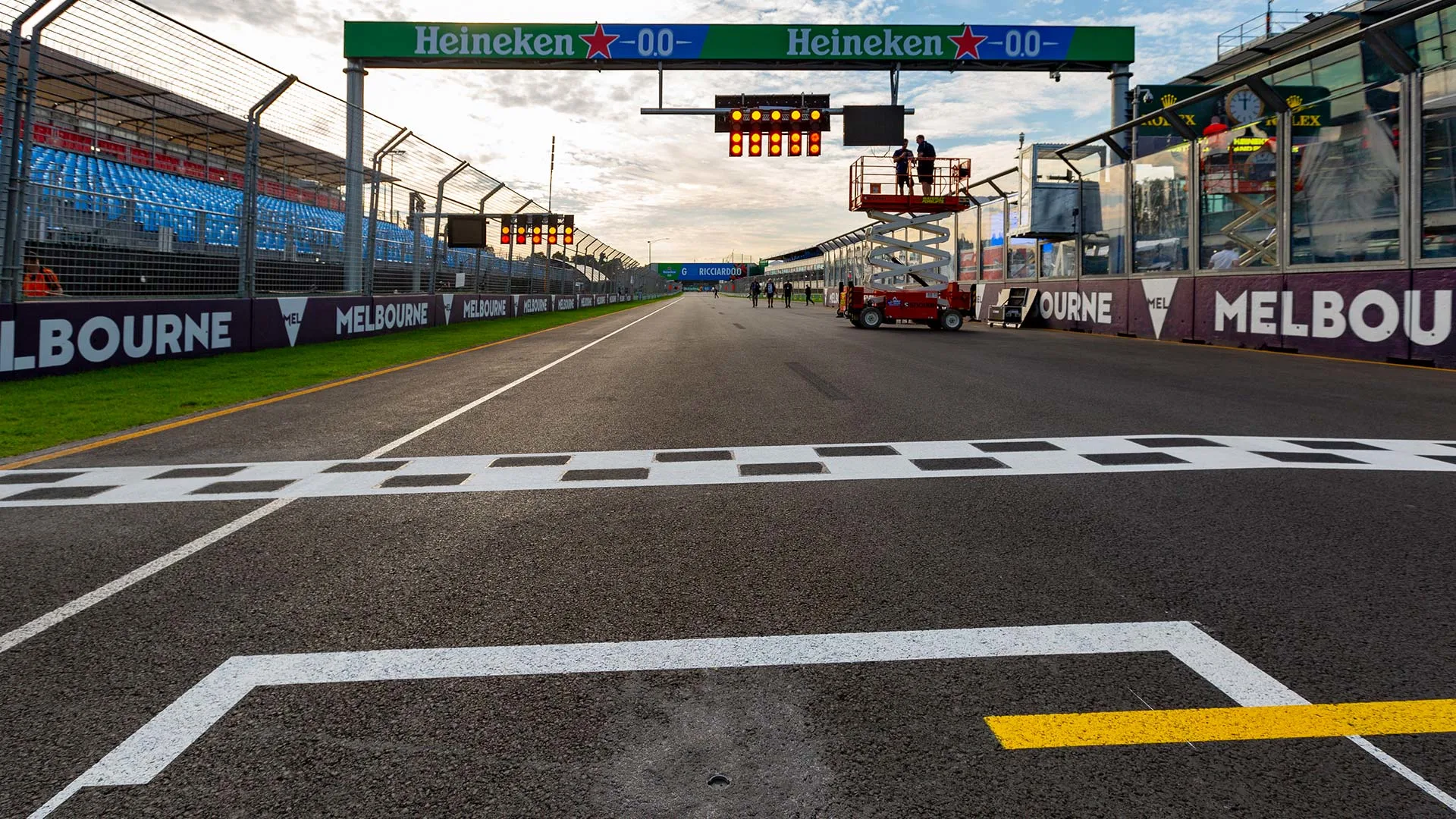
As a temporary facility, Albert Park can be quite a bumpy ride for the drivers, while the circuit is often slippery at the start of the weekend – rubbering in as the sessions progress.
It’s also a circuit that requires a well-sorted chassis, with several spots on the track where the drivers require a reactive front end to allow them to throw their car into a corner.
Melbourne is also one of the faster tracks on the calendar, with Lando Norris’ 2025 pole position lap set at an average speed of well over 250km/h.
But who better to talk about the experience than an F1 driver?
“I love the circuit,” beams former Renault racer Jolyon Palmer. “It’s a really good one to find a rhythm. It’s a very atmospheric track to drive at as well.
“It was widened in places for 2022, which just ups the average speed of the place, because it used to be a little bit more stop-start than it is now. They’ve taken out the chicane that used to be Turns 9 and 10, and funnelled the cars.
“It’s not easy to overtake here, but a real pleasure to drive as you find your rhythm and wind your way around the picturesque Albert Park.”
It’s a real pleasure to drive as you find your rhythm and wind your way around the picturesque Albert Park.
Where are the Straight Mode zones and overtake detection?
As a reminder, and as explained in our pre-season summary of regulation changes, Straight Mode is a different aerodynamic configuration that allows cars to reduce their drag, making them more efficient when accelerating up towards top speed.
The rear wing continues to open up a gap – just like it did when drivers used DRS (the Drag Reduction System) in the past – but now the front wing also moves. The uppermost front wing elements drop down at the same time the rear wing’s top element does.
This is a mode that is used on every single lap in dry conditions, in every area that is designated for it. Essentially, the car will adapt between two different configurations depending on where it is on the track, providing maximum downforce in corners but then less drag on straights.
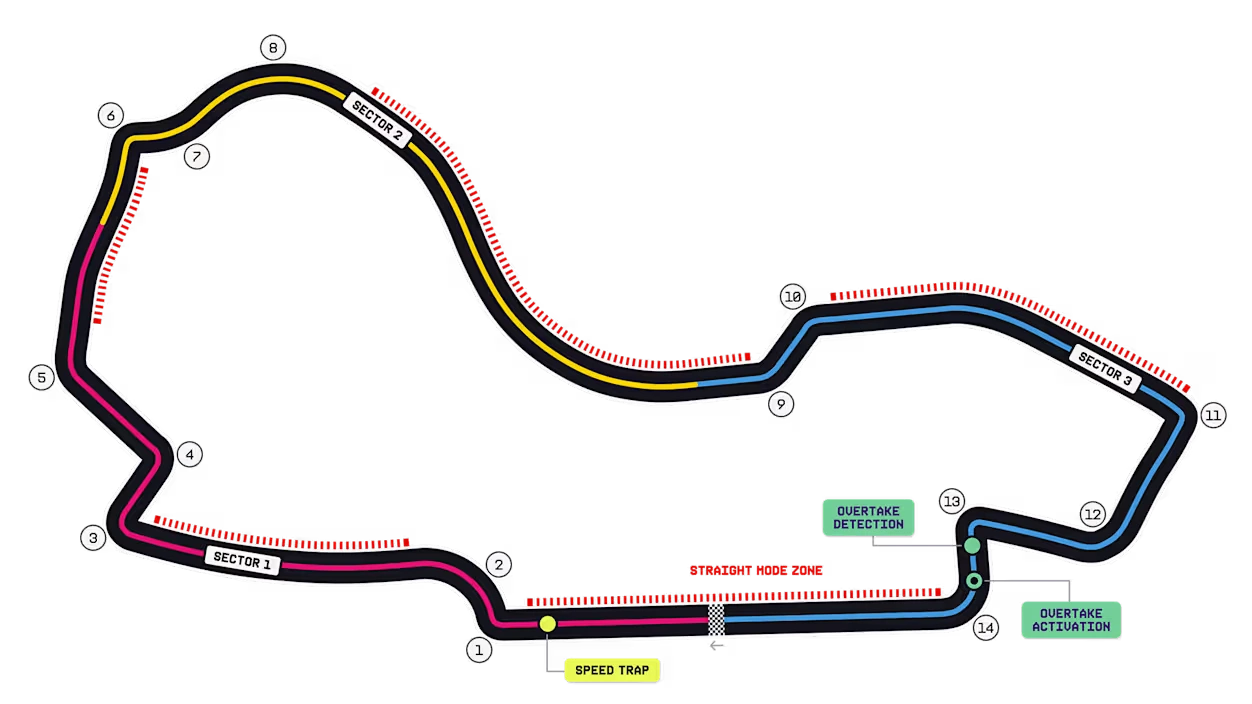
In Australia, there are five designated Straight Mode zones, beginning with a run along the start/finish straight, then between Turns 2 and 3, between Turns 5 and 6, between Turns 8 and 9, and between Turns 10 and 11.
Meanwhile, Overtake Mode replaces DRS and is a new power mode that allows a driver to recharge an extra +0.5MJ, and generate an additional electrical power profile, so they can sustain a higher speed for a longer period.
There is one detection point per lap for this mode – expected to be out of the final corner on many occasions, leading onto a long straight – and the mode will be available to drivers on the following lap as long as they stay within a second of the car in front at that detection point.
The Overtake Detection marker at Albert Park comes just after the exit of Turn 13, while the Overtake Activation line follows at the entry to the final corner.
Five fun facts about the Australian GP
- 2026 marks 30 years since the first F1 World Championship Grand Prix in Melbourne
- The last three pole positions here have been taken by the driver who has gone on to win the World Championship
- There has been a different winner every year in Melbourne since 2018 – the last repeat winner being Sebastian Vettel in 2017 and 2018
- Michael Schumacher has won the most Grands Prix in Melbourne with four victories
- Ferrari have won the most Grands Prix in Melbourne with 10 victories
Next Up
Related Articles
 Audi unveil special livery for Singapore GP
 UnlockedMatch the grid for your chance to win the ultimate F1 experience
 Unlocked5 winners and 5 losers from the Bahrain GP in Malaysia
 How F1 drivers and strategists tackle the Singapore Grand Prix
 FIA Formula 2 and FIA Formula 3 announce 2027 calendars
 Russell set for grid penalty at Singapore Grand Prix