
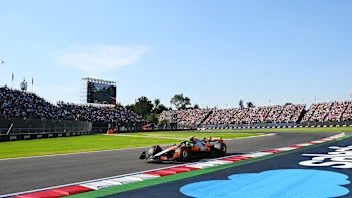
The Mexico City Grand Prix is held more than 2km above sea level at the Autodromo Hermanos Rodriguez, where the track winds through a former baseball stadium.
Beyond the track, Mexico City was built by the Spanish on the ruins of Tenochtitlan, the Aztec capital, and its Historic Centre and the canals of Xochimilco together form a UNESCO World Heritage Site. The city is home to the most visited museum in the country, and its signature street food, tacos al pastor.
From Aztec temples to late-night taco stands, there is plenty to fill the days around the Mexico City Grand Prix.
Introduction to Mexico City
Race Dates – 30 October–1 November 2026, with the Grand Prix held on Sunday
Time Zone – UTC-6 (Central Standard Time)
Language – Spanish
Currency – Mexican peso (MXN)
Good to Know – The Metro and Metrobús, the city’s underground and rapid-bus networks, are paid for with the rechargeable Integrated Mobility Card (Tarjeta de Movilidad Integrada), which is sold in Metro stations and at both airport terminals. Tipping is customary in restaurants, so allow for it when you settle the bill.
Race weekend falls at the tail end of the rainy season, bringing sunny mornings and often cloudy, rainy afternoons. Mornings and evenings can be cool, so pack layers and a waterproof alongside sun protection.
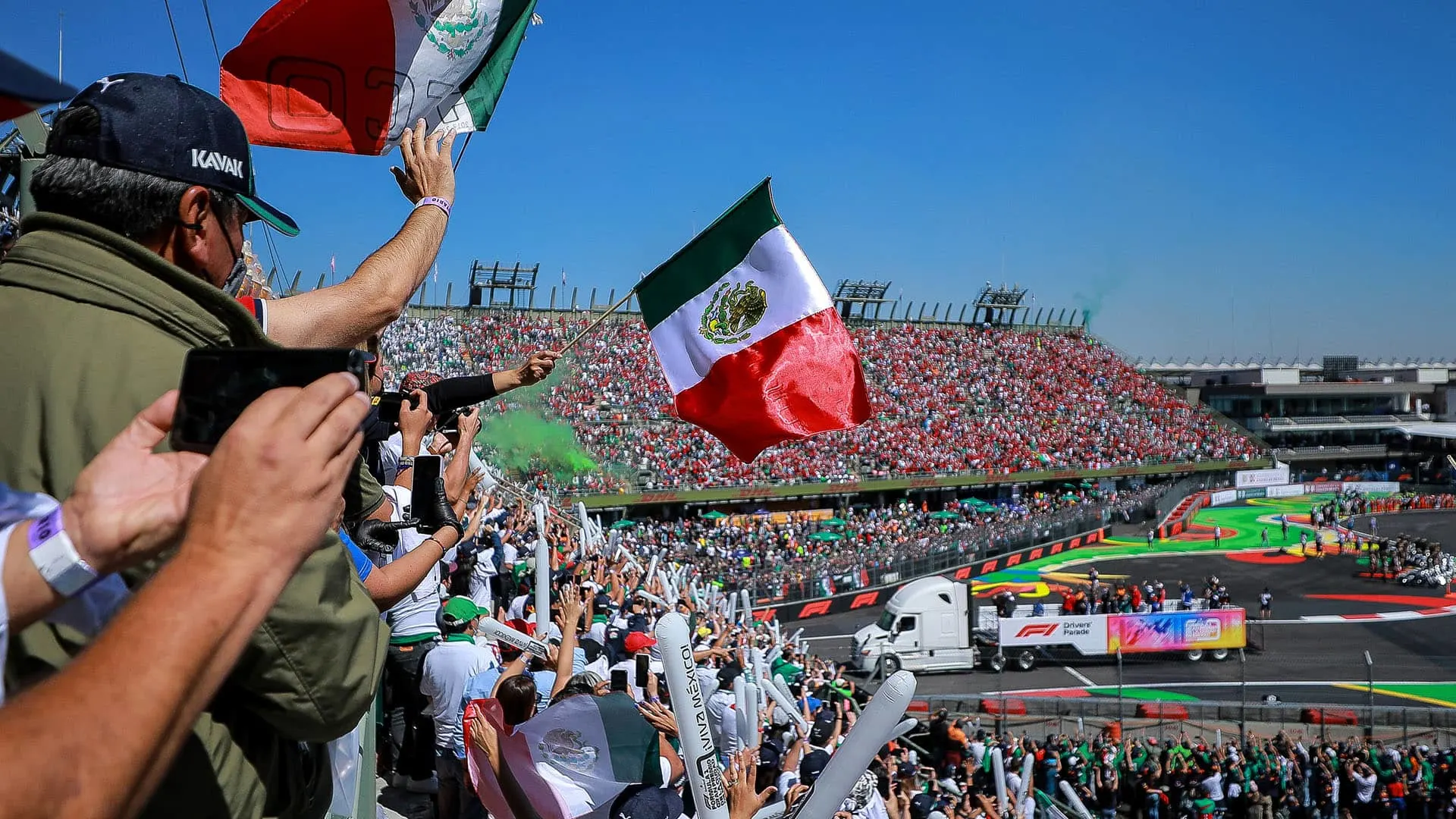
Attractions in Mexico City
Stand in the Zócalo
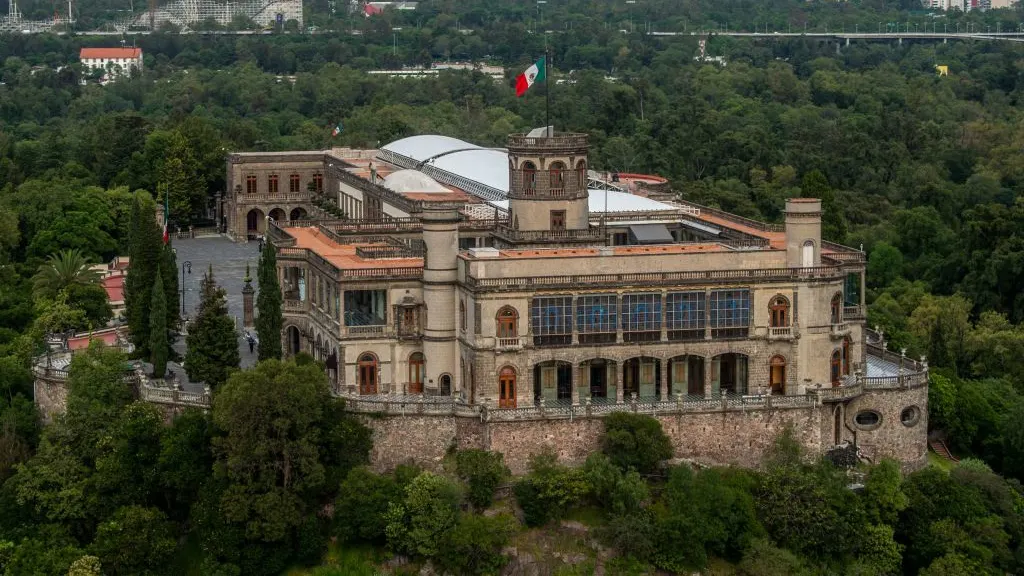
Officially the Plaza de la Constitución, the Zócalo is the city’s central square and stands on the heart of ancient Tenochtitlan. Its nickname comes from the plinth – zócalo – of an independence monument that was never completed. The Metropolitan Cathedral lines its north side and the National Palace, seat of the federal government, its east, and the remains of five Aztec temples have been identified in the Historic Centre.
Explore the National Museum of Anthropology
In Chapultepec, the Museo Nacional de Antropología is the most visited museum in Mexico, according to the city’s official visitors’ guide. Designed by the architect Pedro Ramírez Vázquez and built in the early 1960's, it is arranged around a courtyard beneath a monumental ‘umbrella’ sculpture, while the Aztec Sun Stone dominates its central hall.
Drift through Xochimilco
In the south of the city, Xochimilco preserves the canals and chinampas – artificial farming islands – of the ancient Valley of Mexico. Trajineras, traditional boats decorated with floral arches, set off from piers including Nativitas and Cuemanco, often to the sound of mariachi and marimba music. Nearby, the Xochimilco Ecological Park works to protect the axolotl, an amphibian closely associated with the city.
Mark the Day of the Dead
Race weekend coincides with the Day of the Dead (Día de Muertos), when families build ofrendas – altars honouring loved ones who have died. Each element carries a meaning: water to quench the thirst of the returning dead, bread offered in friendship, candles to light the way and cempasúchil (marigold) flowers. Through late October and early November, public altars, parades and illuminations appear across the city.
Food and drink in Mexico City
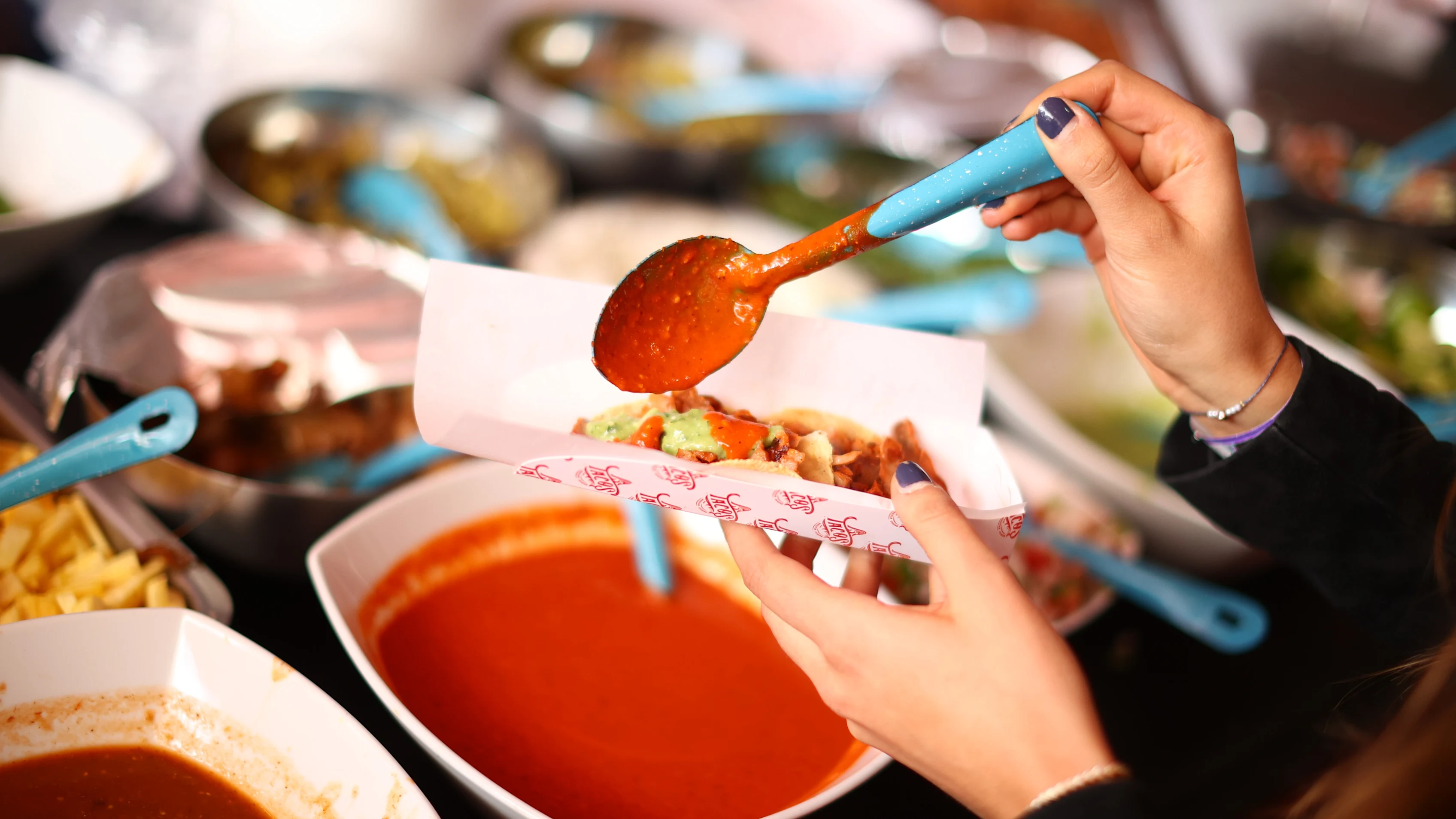
Join the queue for tacos al pastor
Tacos al pastor are the city’s signature street food, and the official visitors’ guide traces them to the Lebanese immigrants who arrived in Mexico in the last century. Order one or two at a time, and the taquero – the taco maker – will keep serving you, a round at a time, until you have had enough. Choose a stand where people are waiting their turn: a busy stand is the surest sign of fresh food.
Look out for the basket-taco bicycle
Tacos de canasta – basket tacos – are made in the morning and sold through the day, often from a basket on the back of a bicycle. Typical fillings include potato, adobo (a chilli marinade), green mole, chicharrón (pork crackling) and beans, and they always come with a hot salsa. Visitors often miss them, so keep an eye out.
Taste the chinampas at Xochimilco market
The menu in Xochimilco is built on ingredients grown on its chinampas, and the borough’s market is the place to try local dishes such as tamales de charal, made with a small freshwater fish. Producers in the area still make amaranth sweets and nieve de garrafa, a hand-churned ice in seasonal fruit flavours, sold under the arcades of the old centre.
Eat your way around Mexico
The official visitors’ guide counts seven major regional cuisines in Mexico and the capital is home to them all, from the beef-heavy cooking of the north that gives the country fajitas and arrachera steak, to the deep moles – rich, chilli-based sauces – of Oaxaca and the Maya-influenced flavours of the Yucatán. Follow the busiest stands, order another round, and a weekend in Mexico City becomes a tour of the whole country.
Getting to Mexico City
Benito Juárez International Airport, known locally as AICM, serves the city through two terminals. Metrobús Line 4 runs from both terminals into the Historic Centre, and Terminal Aérea station on Metro Line 5 serves Terminal 1, where it links with the Metrobús. Authorised taxis also serve the airport.
Entry requirements vary by nationality, so check the official guidance from Mexico’s Instituto Nacional de Migración (National Migration Institute) before you travel.
Getting around Mexico City
Walk the Historic Centre
The Historic Centre is the easiest part of the city to explore on foot, and the official visitors’ guide publishes walking routes from the Zócalo to the Templo Mayor and from the Alameda Central along Avenida Madero.
Ride the Metro and Metrobús
The Metro and the Metrobús cover much of the city, and both take the rechargeable Integrated Mobility Card. Metrobús buses run in their own lanes, clear of general traffic.
Reach the circuit
The Autodromo Hermanos Rodriguez sits in the Magdalena Mixiuhca sports park, east of the city centre. Metro Line 9 stops at Velódromo, Ciudad Deportiva and Puebla stations, close to the circuit gates, and Metrobús Line 2 also serves the area.
Over the race weekend, free buses carry ticket holders between gates around the outside of the circuit, and a private shuttle runs from pick-up points across the city. Entry is only through the gates for the section on your ticket, so check it before you set out. Full travel information for the weekend is published on the official Mexico City Grand Prix website.
Next Up
Related Articles
 UnlockedAll the stories that got the Mexico City paddock talking
 Why Tsolov has complicated Racing Bulls’ 2027 plans
 Leclerc assesses Ferrari's chances in Mexico City Grand Prix
 UnlockedMatch the grid for your chance to win the ultimate F1 experience
 Everything you need to know about the Autodromo Hermanos Rodriguez
 ANALYSIS: What does the future hold for Bottas at Cadillac?