EXPLAINED: Why pre-season running is different in 2026
Ahead of a busy pre-season, Lawrence Barretto explains what we can expect from the Barcelona shakedown and Bahrain testing.

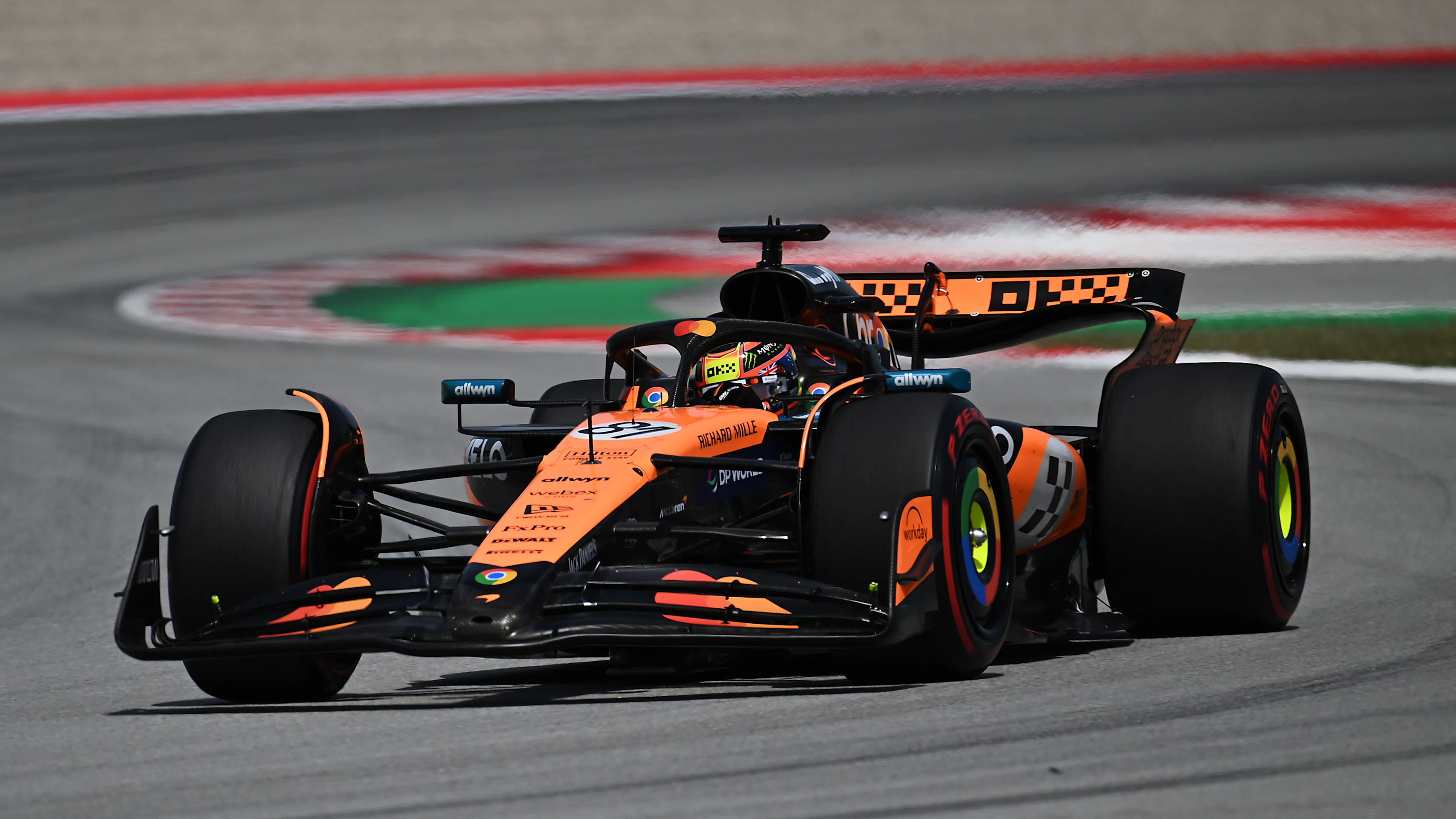
The clock is ticking for the opening Grand Prix of the 2026 campaign in Australia, which runs from March 6-8, but there is so much to look forward to beforehand with a packed pre-season that looks very different to years gone by. So, to get you up to speed, here's everything you need to know about what to expect over the next six weeks or so – and why it's so much busier than usual.
So, we hear we're kicking off in January this year with cars on track...
You've heard right. It hopefully won't have escaped your attention that Formula 1's regulations have undergone their biggest overhaul in more than a decade, with new narrower, shorter, lighter and nimbler race cars that will feature brand new Power Units with a 50-50 power split between petrol and electric.
Plus we've got the introduction of advanced sustainable fuels. That's a lot of change, of course, and thus a lot of unfamiliar territory, so what the teams crave more than anything is mileage – and lots of it, so they have plenty of data to analyse to help them understand and try and get the best out of their new cars and Power Units.
With this in mind, the rulemakers have opted to grow official pre-season testing from one to two events (both in Bahrain), while there's also a shakedown week in Barcelona. In total, that'll be nine days of running, six more than last year during pre-season. With the first race taking place at the start of March, it means testing had to be slotted in before that – and this is why we've got a January start.
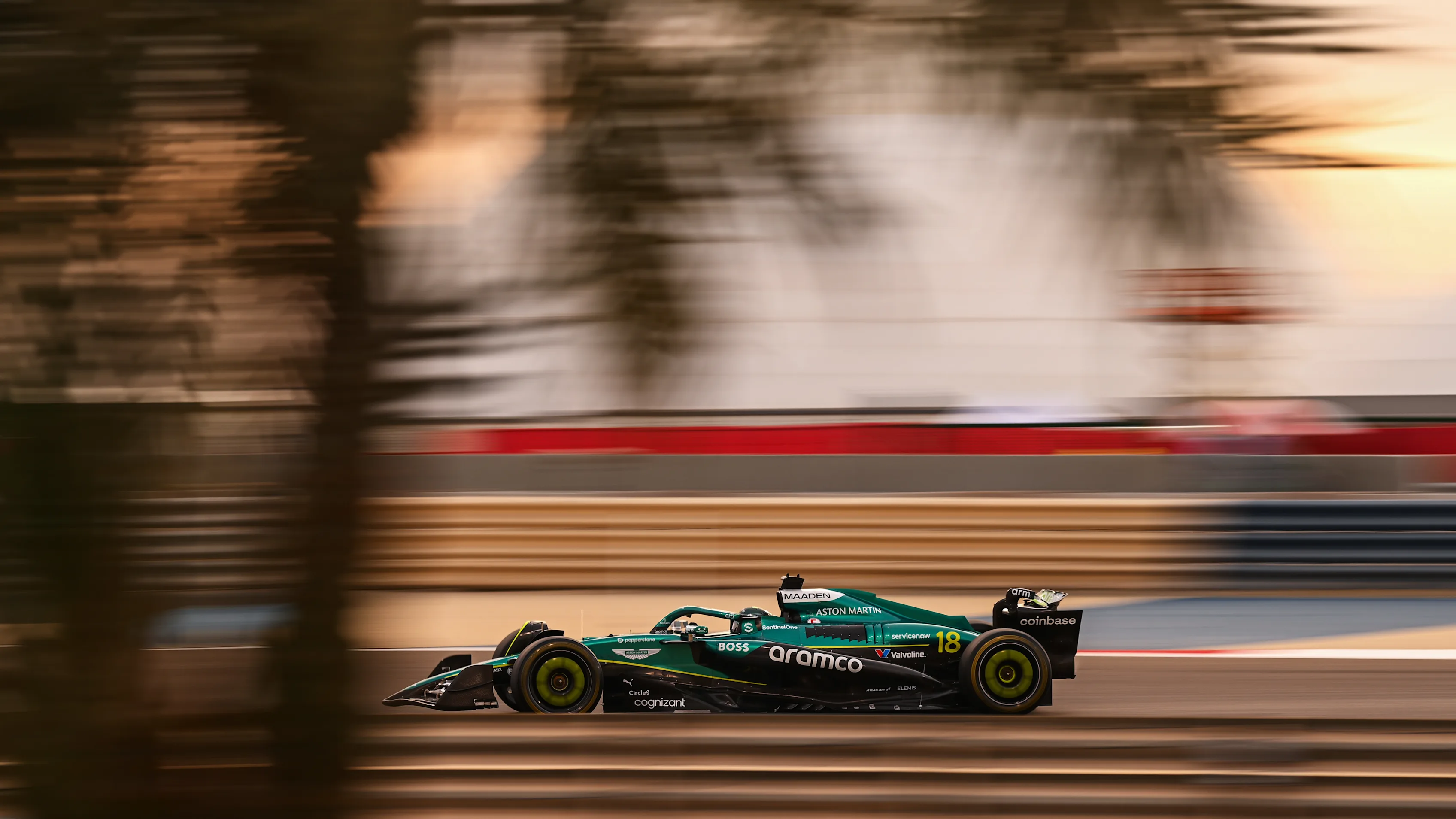
Crikey, that is a lot more running than usual...
Yep – and so to squeeze that all in, it has meant proper running will start in the final week of January, with many teams choosing to do a private filming day before that, too.
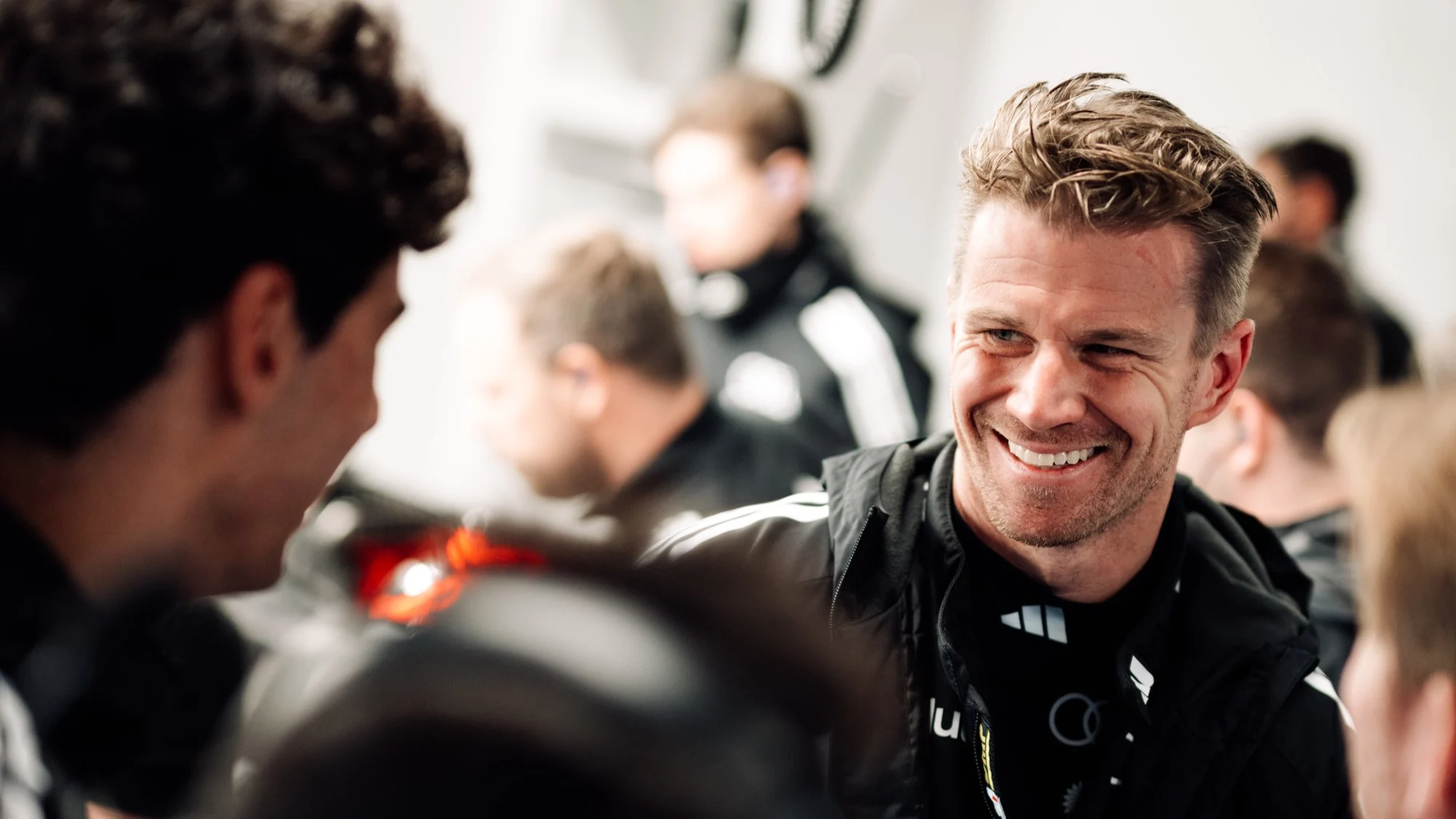
Audi – who are making Sauber their works team from this season and are bringing their own Power Unit to the sport – have already done their first run when Nico Hulkenberg and Gabriel Bortoleto took the R26 for a spin around Barcelona on January 9.
Woah, they were keen...
You bet, but given they are a new operation with a brand-new engine, you can't blame them. And they aren't the only ones doing that – most teams will do some sort of shakedown of their car during a filming day, when mileage is limited to just 200km, which is around 40 laps of a 5km track.
That'll give them the opportunity to iron out any early niggles from a car that will have been worked on for months but will never have been bolted together and put on a track before that very day.
Gotcha. I imagine there'll be some very nervous people on that first day, eh? We can see why so many teams do that. What's happening at the Barcelona Shakedown, then?
Well this is a private event which has been organised by the 11 Formula 1 teams and thus closed to media. It will be held at the Circuit de Barcelona-Catalunya, host of this year's Barcelona-Catalunya Grand Prix.
The shakedown will run over five days, starting on January 26, but teams are only permitted to run on three of those days. Once one of their cars turn a lap, that will trigger an allocated day no matter if they fail to set another lap after that on that day.
But why is the test five days if they can only run on three?
This gives teams flexibility to run when it's convenient for them. Some might choose to run one day, then use the next day to work on the car or wait for new parts and then run on day three. Others might want to wait until the final three days to give them two extra days to be ready to go.
It also gives teams the chance to react to bad weather. If the forecast is rainy or snowy on one particular day, they are perhaps better off waiting for a clearer day to maximise the mileage they can gather.
Okay, so once Barcelona is done, what happens?
Well, it's back to the factories to work on the cars, figure out any problems, apply any required fixes, bolt on the next stage of development parts, etc.
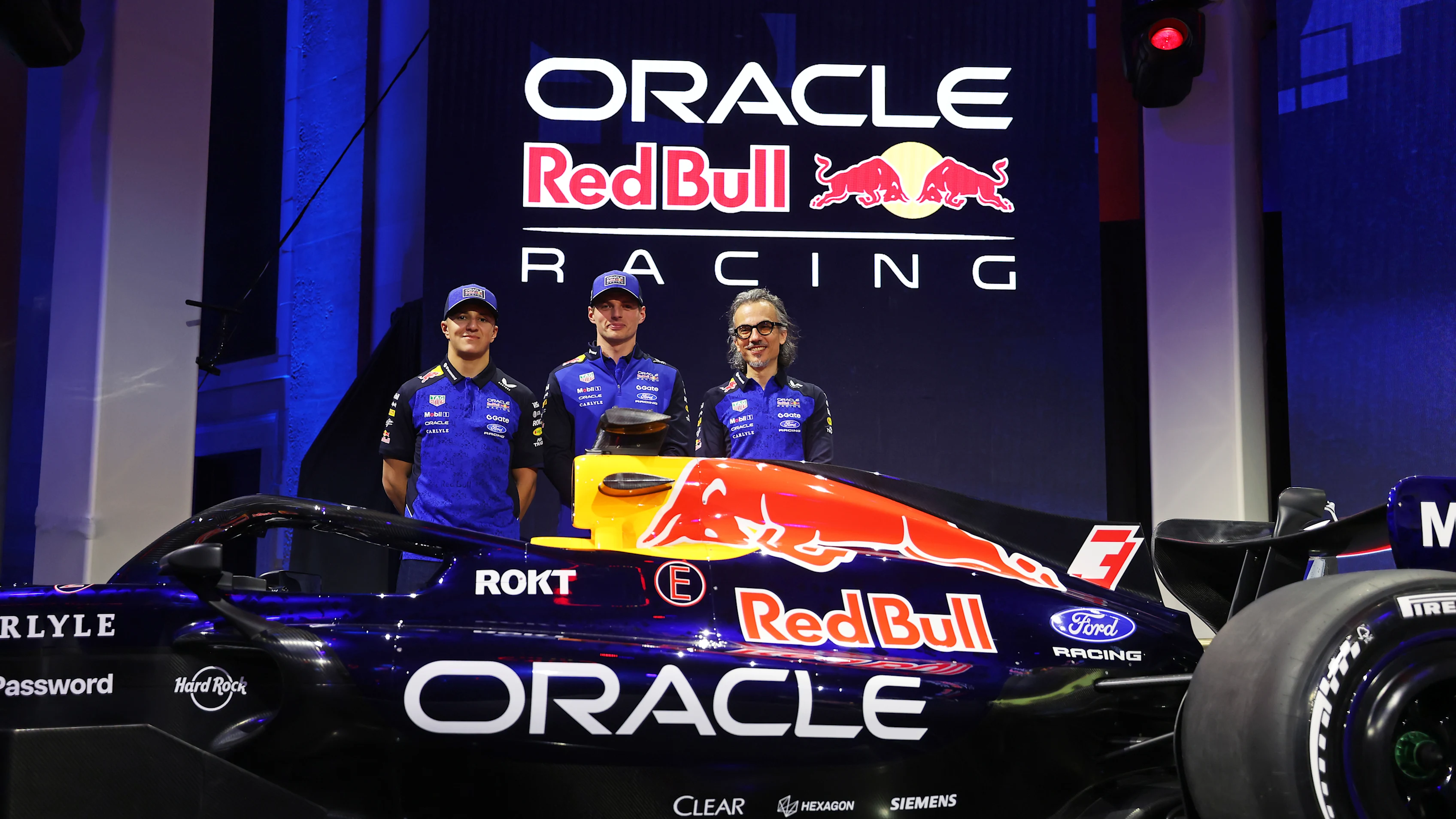
It's also an opportunity for teams who will have yet to launch their season – such as Mercedes, Williams, Cadillac, Aston Martin and McLaren – to do so before everyone descends on Bahrain.
Ah Bahrain, familiar pre-season testing territory...
You know it. The desert track hosts official pre-season testing, which runs over two events. The first three-day test begins on February 11 at the Bahrain International Circuit.
The second follows on February 18. Both will be three days – and a last chance to tinker with the cars before they are packed up and shipped to Australia for the first race.
Next Up
Related Articles
 ‘I just did a c*** job’ – Norris on his Qualifying performance
 Sainz 'not expecting miracles' after Williams struggle in US
 BettingOur Bet Builder prediction for the United States GP
 UnlockedWhat are the tyre strategy options for the United States GP?
 Russell reflects on Austin Qualifying struggles
 ‘We can’t fix core problems' – Albon on Williams' Qualifying