The beginner’s guide to the 2026 regulations
This is a season of change in F1. What are the important rules and regulations on which to keep an eye?
New Formula 1 season, new Formula 1 rules. This time of year in F1-land is always a little bewildering.
A field of brand-new cars emerges, there are a set of new regulations and some all-new jargon to go with it. It’s doubly tricky this year, with a full-on, ground-up reboot of the Championship featuring new engines, new aerodynamics and different ways of putting together a racing lap.
If you’re new to the sport – or even if you’re not – fear not, we’ve got you covered.
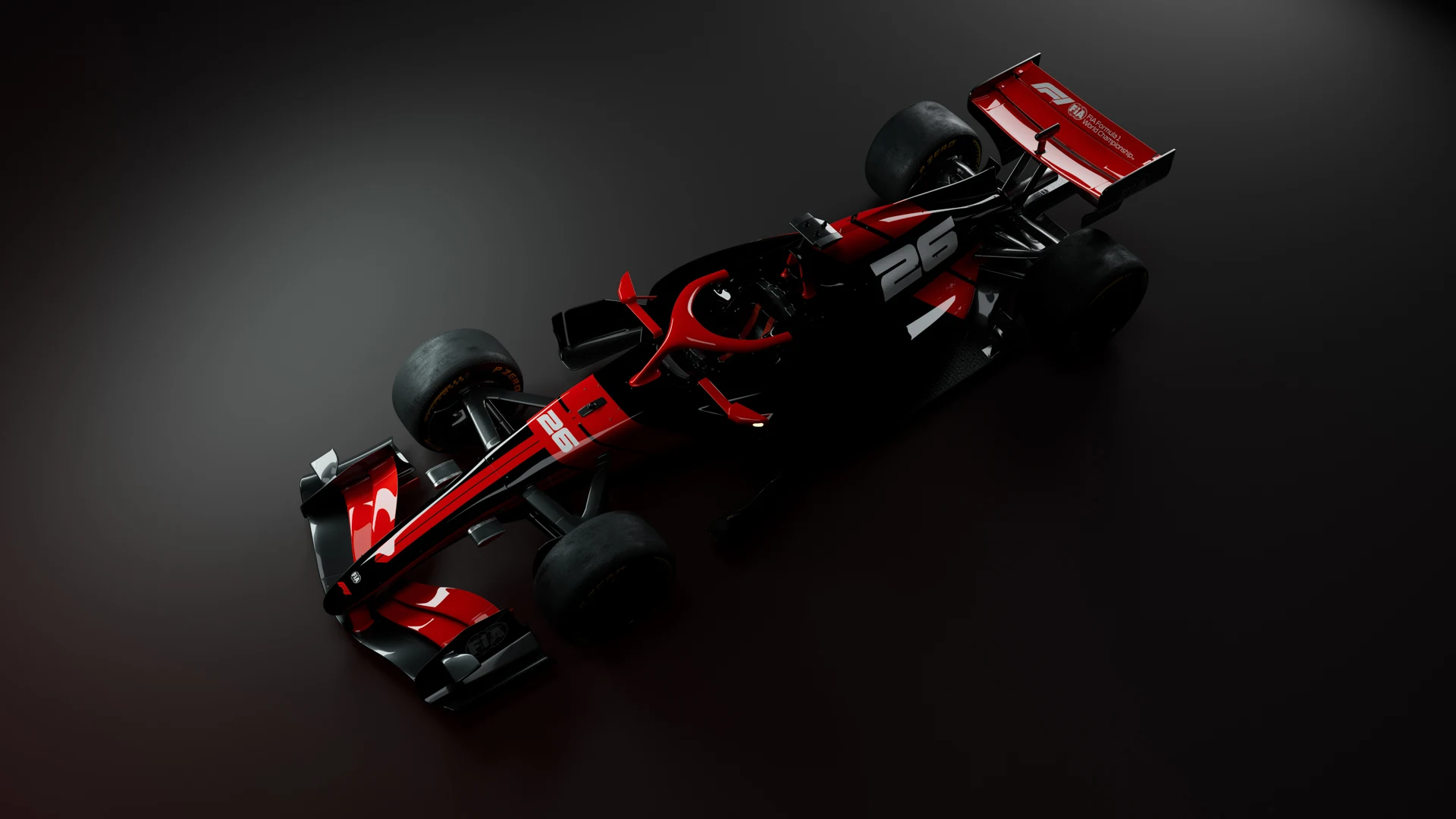
50-50 power split, Recharge and Boost
The big ticket for 2026 is a new generation of power units that place more emphasis on the electrical side of the hybrid system. About half the power used by the car is going to be electrical, and half from internal combustion, with the power unit also using Advanced Sustainable Fuels.
This makes the power units more road relevant – and thus more attractive to existing manufacturers Ferrari and Mercedes, newcomers Red Bull Powertrains in partnership with Ford, General Motors (from 2029) and Audi, plus returning suppliers Honda.
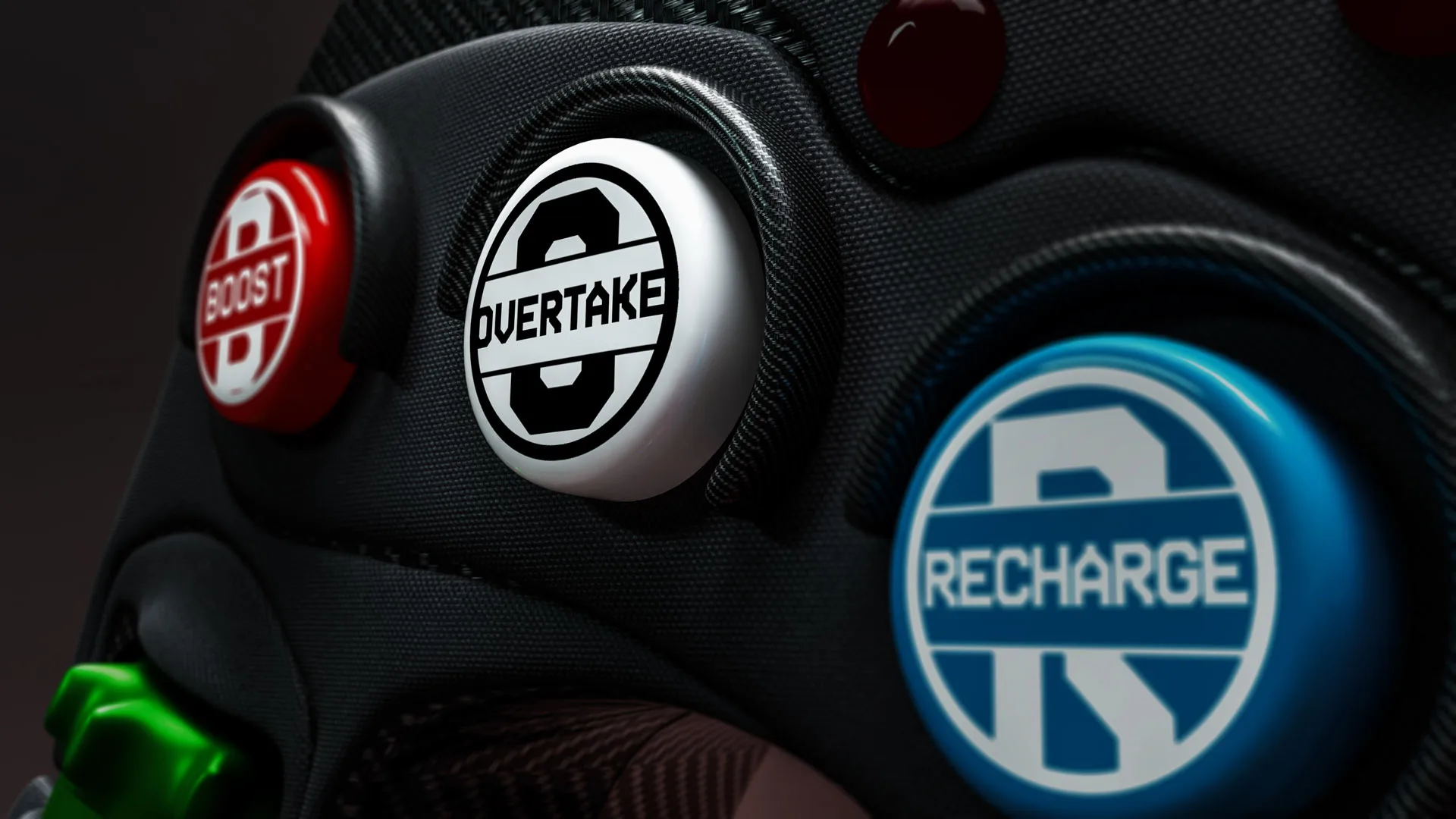
Regarding the electrical system, there is a finite amount of energy available – so how and when the driver uses it will be an important factor. That also means charging up the battery, to have energy to use in the first place, is just as important as deploying it. With that in mind, let's tackle Recharge mode first.
In short, Recharge is available to a driver for those 'quieter' moments on track, when they can afford to tuck away a bit more electrical energy. Under the new regulations, cars will be able to harvest energy to charge the battery when braking, on part throttle, when lifting off (when a driver lifts off the throttle early) or when ‘super clipping’ (when some harvesting happens at the end of the straight when a car is still at full throttle).
Most of the time, the Recharge will be automated and controlled by the car's ECU (Electronic Control Unit). The only Recharge mode the driver will have direct control of will be lift-off regeneration, whereby if the driver lifts off the throttle pedal, they can Recharge. However, doing this will disable the Active Aero devices as well (more on that later). In contrast, super clipping tops up the battery while still at full throttle and therefore the Active Aero will still be ‘open’.
Now, what can the driver do once they've got that electrical energy to use? That brings us to the Boost Button.
Boost allows a driver to take manual control of the energy deployment if they need to attack or defend from another racer on track, with the button triggering a change in power unit power settings – either returning to maximum power or a profile pre-configured by the team as per their personal choice.
That energy can be used all at once or spread across the lap, depending on when the driver feels they have the best chance to attack or where they are most vulnerable.
Traditionally, F1 cars have tended to overtake on the longer straights into heavy braking zones, but how the drivers choose to deploy their electrical energy means there’s likely to be more thrills and spills this year, with cars attacking in unusual places, and positions changing hands more often… and that’s before the Overtake Mode comes into play.
Overtake Mode
Overtake Mode is brand new for 2026 and gives an attacking car a little bit of extra power. If a car gets to within one second of the car it's chasing at a designated point on the track, for the whole of the next lap it gets to use (and also harvest) a little more electrical power.
With the mode available, a driver can recharge an extra +0.5MJ (megajoules) and generate an additional electrical power profile to allow them to sustain a higher speed for a longer period.
Overtake Mode effectively replaces a system called DRS (Drag Reduction System) that made a similar sort of impact by opening an element of the rear wing to enable the car to go faster. That still happens with Active Aero, but now everybody can do it, all of the time.
Active Aero (Straight Mode and Corner Mode)
For the first time, F1 has full-time active aerodynamics in 2026. This means the cars will dynamically adjust the angle of both their front and rear wings depending on where they are on the circuit.
That is where Straight Mode and Corner Mode come in. On straights the flaps will move to their 'open' position to engage a low-drag mode, flattening the wings to reduce drag and increase top speed. In the corners, the flaps will be in their default 'closed' position to maintain downforce and help provide grip.
Lighter, more nimble cars
If you watched F1 in 2025, you may notice the cars are a little smaller this year. The maximum wheelbase has been shorted by 200mm to 3.4m, and the width of the floor reduced by 100mm to 1.9m. Meanwhile the Pirelli tyres are also narrower, reduced by 25mm at the front and 30mm at the rear.
These changes, combined with those to the power units, have allowed the regulations to also feature a reduction in minimum weight. The limit for this year will be 768kg, down from 800kg.
Increased safety
The weight reduction will not come at the expense of safety. The homologation demands of crash testing, as usual, become more stringent. One area of attention this year is a stronger roll-hoop, with the vertical impact test going up from 16 g to 20 g (by which we mean g-force, not grams).
Another innovation for the 2026 car is a two-stage nose cone. A nose cone, as designed, will sheer-off in a heavy impact but the two-stage nose will continue to offer protection after the initial hit in case there is a secondary impact (for instance, when the car hits a wall and continues to spin).
New aerodynamics
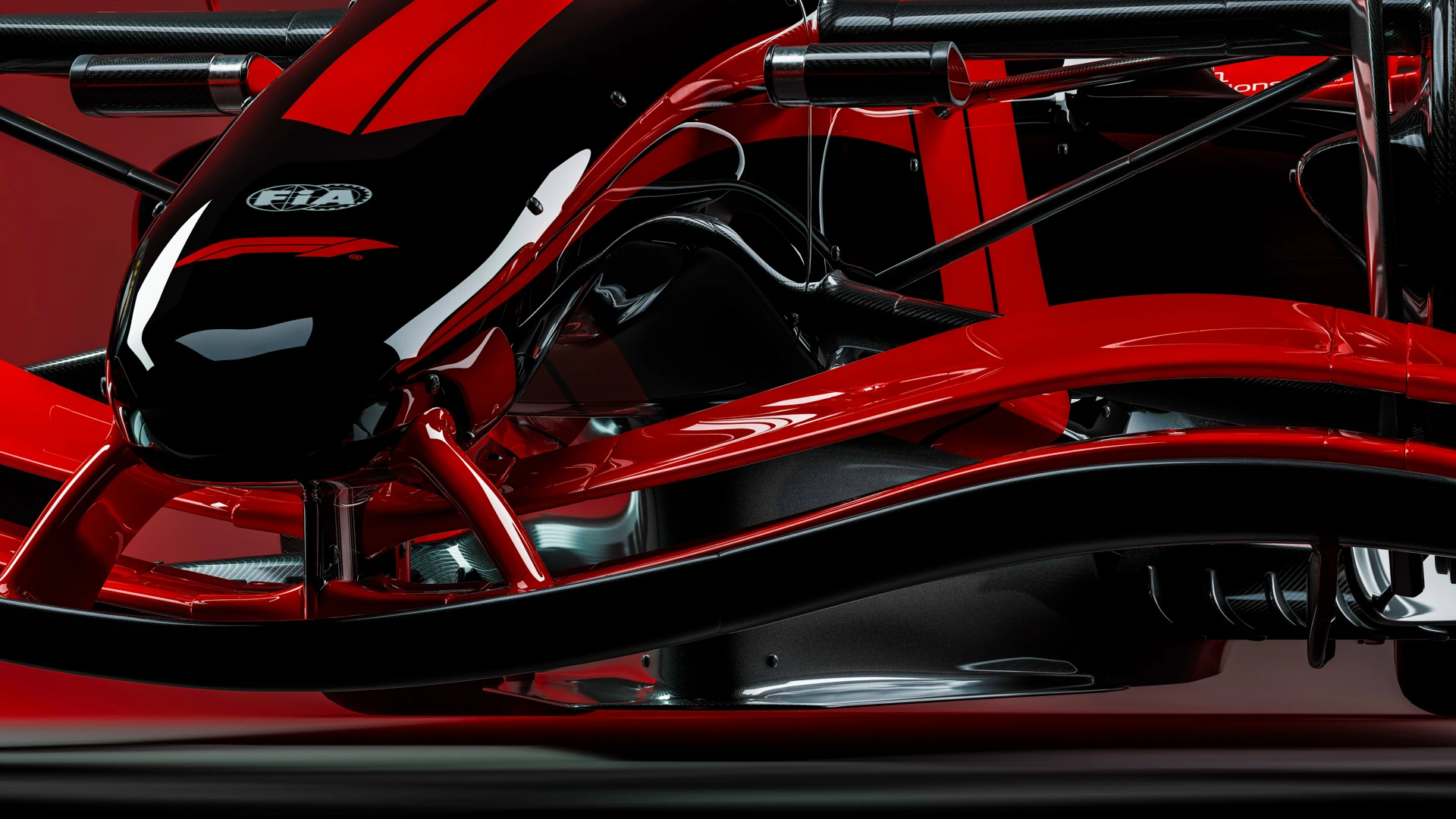
The above changes should naturally produce closer racing, but the new regulations go a step further to actively encourage it. To remove the turbulence-generating out-washing (where turbulent air is directed outwards) that makes it difficult for one car to follow another, this year the cars feature simplified front wings with fewer elements, and in-washing bargeboards behind the front wheel to prevent the turbulent air being cast wide.
In another major change, the ground-effect generating tunnels under the cars have been replaced by a flatter floor.
Finally, we have a new team on the grid in 2026. Will that change how the weekend is run?
The arrival of Cadillac in the paddock takes the number of F1 teams up to 11, and the number of cars up to 22 – a situation we haven’t seen since 2016. It doesn’t require an alteration in the rules but it does impact how Qualifying and Sprint Qualifying sessions will run.
These will still have the same three-part process with cars eliminated in Q1/SQ1 and Q2/SQ2. It’s a relatively straightforward change with the number of cars eliminated in Q1/SQ1 and Q2/SQ2 rising from five to six, leaving Q3/SQ3 as they are now, with a 10-car pole position shoot-out.
Next Up
Related Articles
 Everything we know about F1’s all-new race in Rwanda
.webp) Why Haas decided to risk promoting rookie Camara
Why Haas decided to risk promoting rookie Camara 'We owe him one' – Mekies on Hadjar's Singapore issues
 Freddie Hunt on father James’ legacy 50 years after his title
 Mekies hails ‘outstanding’ Verstappen in Red Bull resurgence
 UnlockedThe upgrades behind Red Bull’s breakthrough in Singapore