Formula 1’s governing body the FIA said it is “evaluating the impact” of a proposal to increase the number of F1 Sprint events to six in 2023.
The Formula 1 Commission met in London on Tuesday to discuss several things, including F1 Sprint, the 2026 Power Unit and helmet cameras.
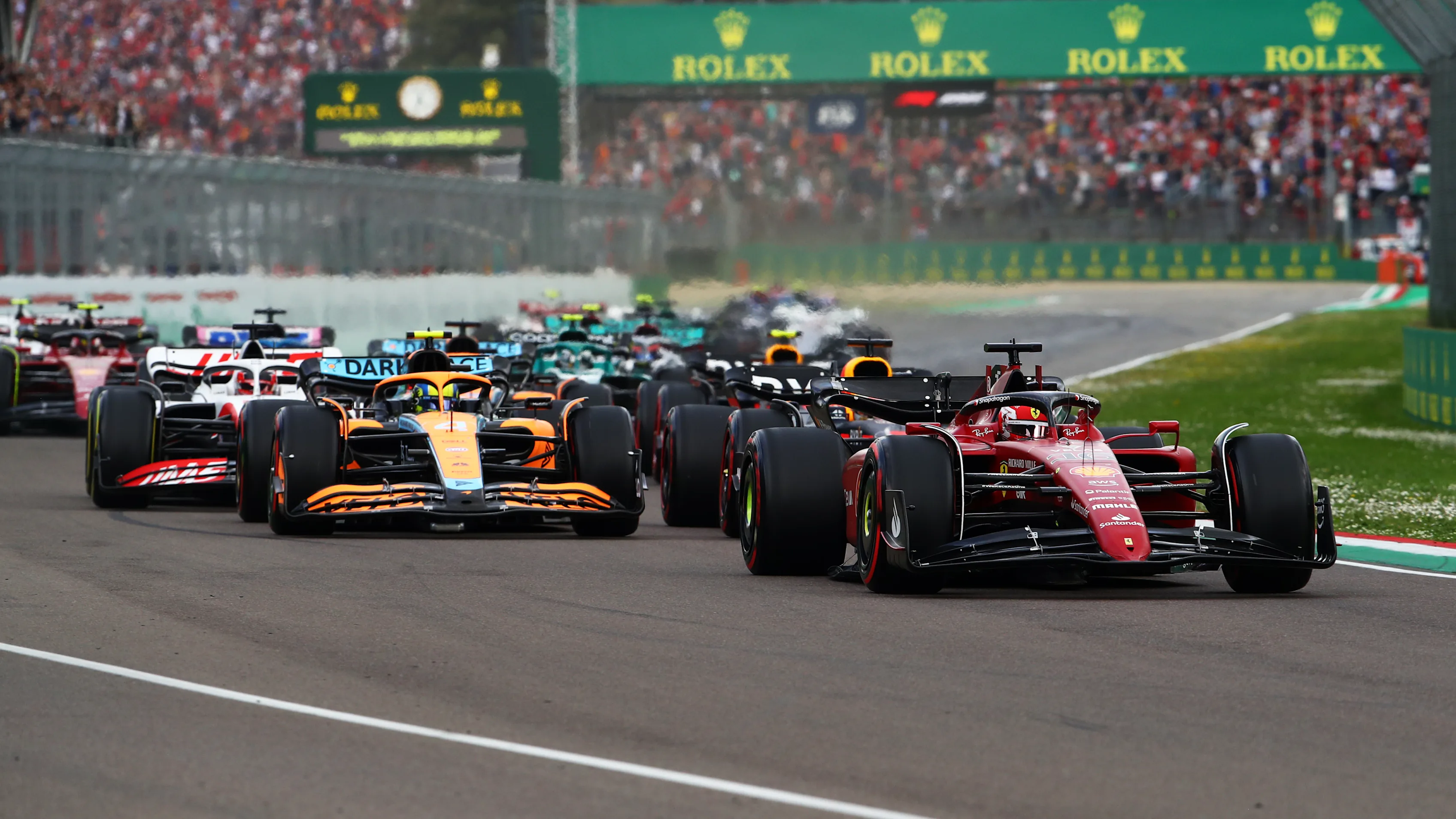
Regarding the Sprint, the first of three in 2022 taking place last weekend in Imola, F1 and all 10 teams were supportive of doubling the number of Sprints to six next season.
READ MORE: Verstappen relieved to take P1 in Sprint after 'terrible' start at Imola
The FIA said they supported “the principle of an increased number of Sprint events” next season, but are investigating how it will affect its trackside operations and personnel. They will present their findings to the Commission in due course.
2026 rule changes continue to take shape
A framework for the new engine formula to be introduced in 2026 has already been agreed. It involved keeping the current V6 hybrid turbos but removing the MGU-H and introducing advanced sustainable fuel.
At the Commission, the FIA set out several key targets relating to the performance parameters, sustainability and financial regulations following simulation work by its aerodynamic department.
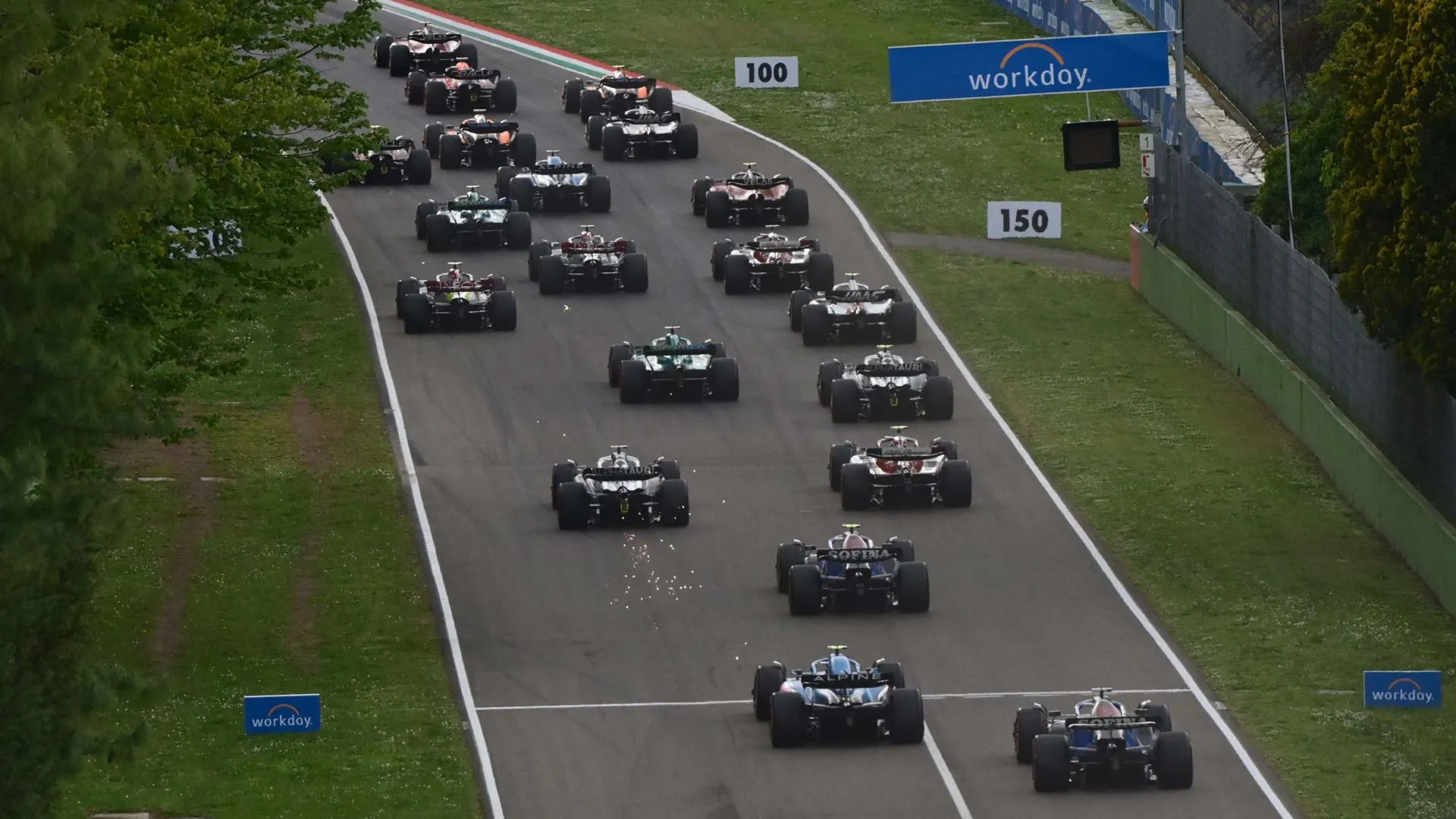
These included “significantly reducing drag” to improve the sustainability and efficiency and complement the power unit characteristics, reducing car dimensions and reducing or containing car mass.
There is a desire to improve on lessons learned about close racing and cars being able to follow each other, and continue to standardise or simplify parts to reduce costs and use more sustainable materials.
Helmet cameras and tyre allocations discussed
After trialling the latest generation of helmet cameras over a series of events, the F1 Commission unanimously approved a tweak to the 2023 Technical Regulations that will mandate that all drivers must run the cameras from 2023 onwards.
The Commission also unanimously agreed to trial a reduction in the tyre allocation from 13 sets to 11 at two events in 2023 as part of a push for more sustainable tyre use in the future.
As ever, the regulatory changes require rubber-stamping by the World Motor Sport Council.
Next Up
Related Articles
 'We owe him one' – Mekies on Hadjar's Singapore issues
.webp) UnlockedHow Hamilton's call helped put Antonelli in reach of the title
UnlockedHow Hamilton's call helped put Antonelli in reach of the title.webp) Unlocked5 Winners and 5 Losers from Singapore
Unlocked5 Winners and 5 Losers from Singapore.webp) UnlockedVote for Your Heineken® F1 Season Ticket Winner
UnlockedVote for Your Heineken® F1 Season Ticket Winner BettingMercedes’ fading dominance opens doors for F1 bettors
 Who impressed our Power Rankings judges in Singapore?