
Why are there no races in April? How is the break in the calendar different to the enforced summer and winter ‘shutdowns’? What will the teams be working on during this period? F1.com answers all of these questions and more in a special explainer…
Why is there a calendar gap in April?
It was confirmed mid-March that, due to the ongoing situation in the Middle East region, the Bahrain and Saudi Arabian Grands Prix will not take place in April.
While several alternatives were considered by stakeholders, it was ultimately decided that no substitutions would be made.
The decision was taken in full consultation with F1’s governing body, the FIA, and respective promoters.
%20169.webp)
Stefano Domenicali, the President and CEO of F1, explained: “While this was a difficult decision to take, it is unfortunately the right one at this stage considering the current situation in the Middle East.
“I want to take this opportunity to thank the FIA as well as our incredible promoters for their support and total understanding as they were looking forward to hosting us with their usual energy and passion.
“We cannot wait to be back with them as soon as the circumstances allow us to do so.”
Therefore, between the Japanese Grand Prix from March 27-29 and the Miami Grand Prix from May 1-3, there will be no F1 action.
How is it different to the summer and winter breaks?
It means teams have almost five weeks to take stock of the season so far before heading over to the United States and picking up where they left off.
Crucially, there is no enforced ‘shutdown’ within this period – differing from the annual summer and winter breaks, when each team must halt most work at their factories across an FIA-mandated two-week closure.
During these breaks, staff in departments such as research and development, design, production and manufacturing are required to step away from their workstations – including no emails or messages/phone calls related to technical elements.
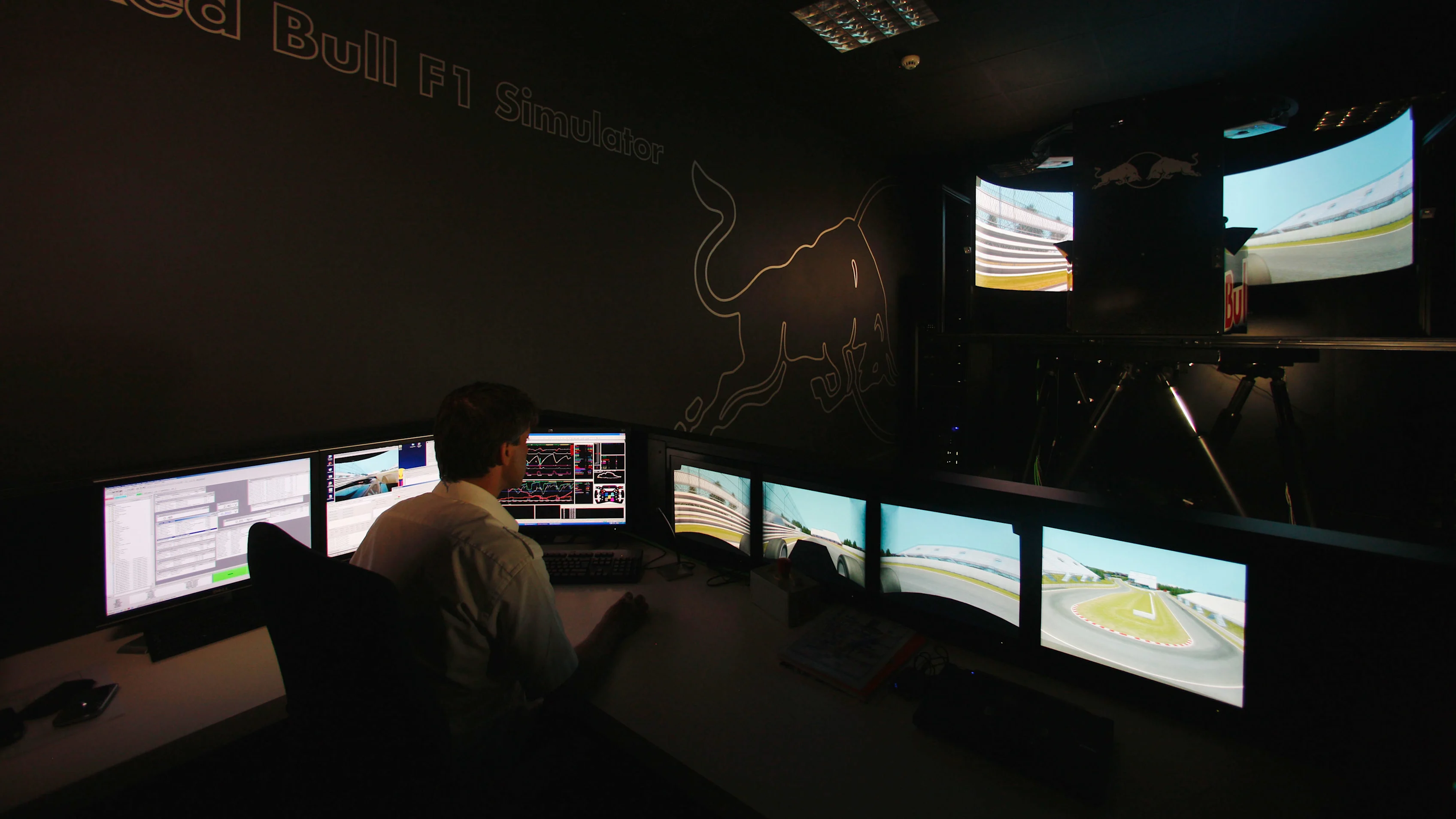
However, with no such shutdown in April, wind tunnels can be kept running, updates can be worked on and simulators can be used around the clock – amongst many other things related to car development and performance.
What are the teams and drivers planning to do?
Over the next few weeks, priority lists for teams up and down the grid are likely to look quite different – some having hit their pre-season targets and some having missed them.
That said, it is a golden opportunity for every outfit and every driver to comb through the data from the Australia, China and Japan weekends, and help them get the most out of the all-new regulations moving forward.
Sitting ninth in the Teams’ Championship on just two points, Williams are an example of a squad looking to right several wrongs in April, with team boss James Vowles recently explaining how they plan to exploit the extra time.
“Every single hour we need in order to get ourselves back on the front foot by the time we come back to Miami,” he commented.
“Clearly, we haven’t started the season where we wanted to, so that period for us is about taking stock of what we actually really can change. Without attrition, we can count on the fact that production can be moved towards future performance – some of that may come in Miami, some of that after that.
“It’s no secret we’re overweight [with the car] – again, the developments will be in that period of time, making sure that we’re able to reduce the mass in the car in a sensible fashion.”
Vowles added: “We’ve gone through by that point [the break] three Grands Prix, but there’s never enough time after the event to go through every single tiny bit of data and understand really what we should have done in hindsight, and what programmes we want to kick off in the future, and this provides us a good time to do that.
“The drivers will come back here to [the factory in] the UK, and we’ll run our simulator in basically every single day of that as much as possible.
Every single hour we need in order to get ourselves back on the front foot.
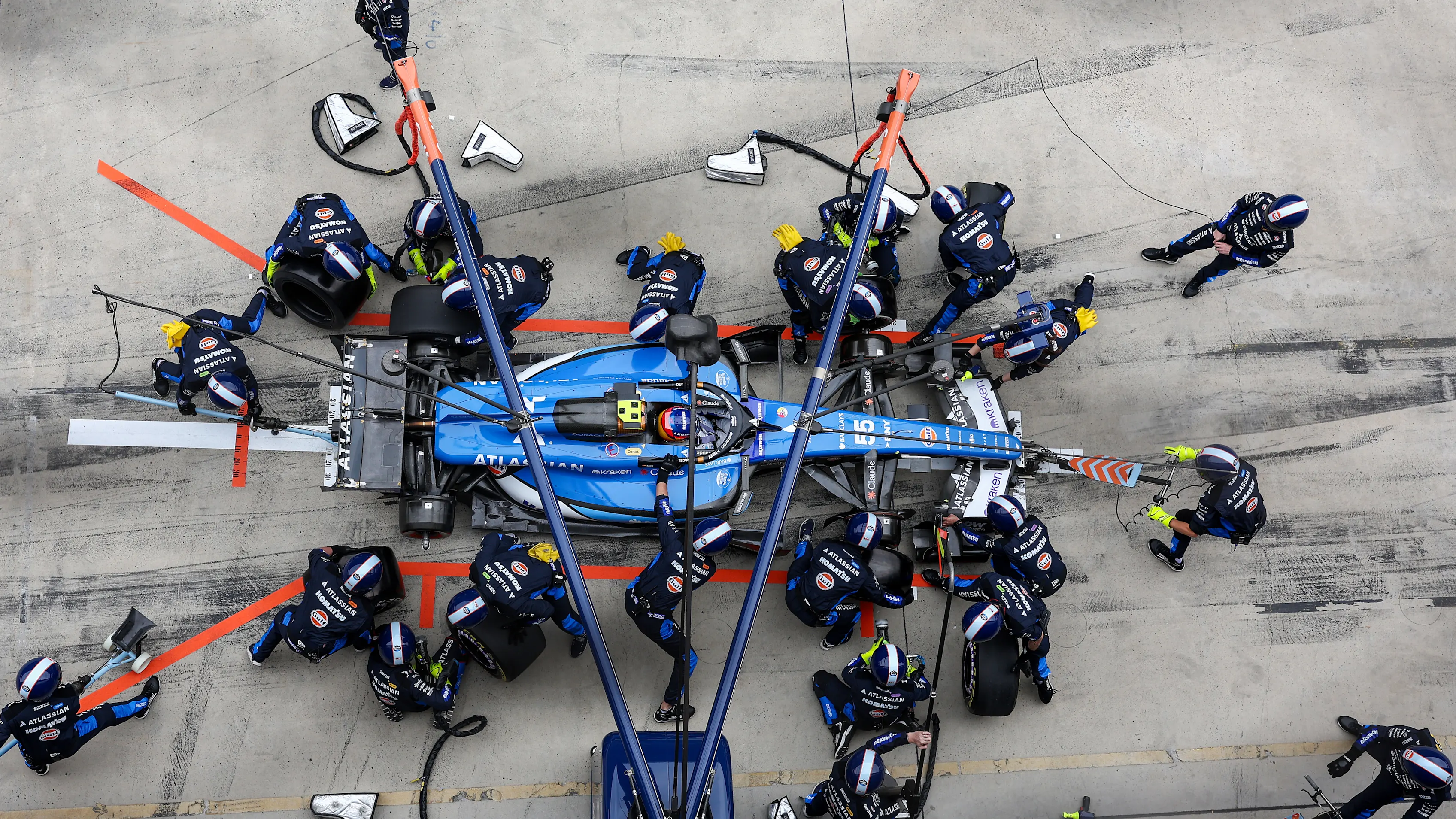
“We’ll complete pit stop practice with the crew back here most of the days that we can as well, so it’ll be more about what we do fit in and what will provide the most bang for buck.”
It should also be mentioned that drivers will be spending plenty of hours in the gym to stay fit and sharp for the resumption of the season.
“Obviously the off-season this year was very short, so it’s a nice little window for everyone to get some good training in as well,” admitted McLaren’s Oscar Piastri.
“But it’s just more time to prepare, basically. I think we’ve learned a lot in the first few races, and [there’s] still plenty more to learn, so it just gives us a bit more time to analyse stuff, sit down, digest it, and try and come back stronger for Miami.”
Is there any other track action?
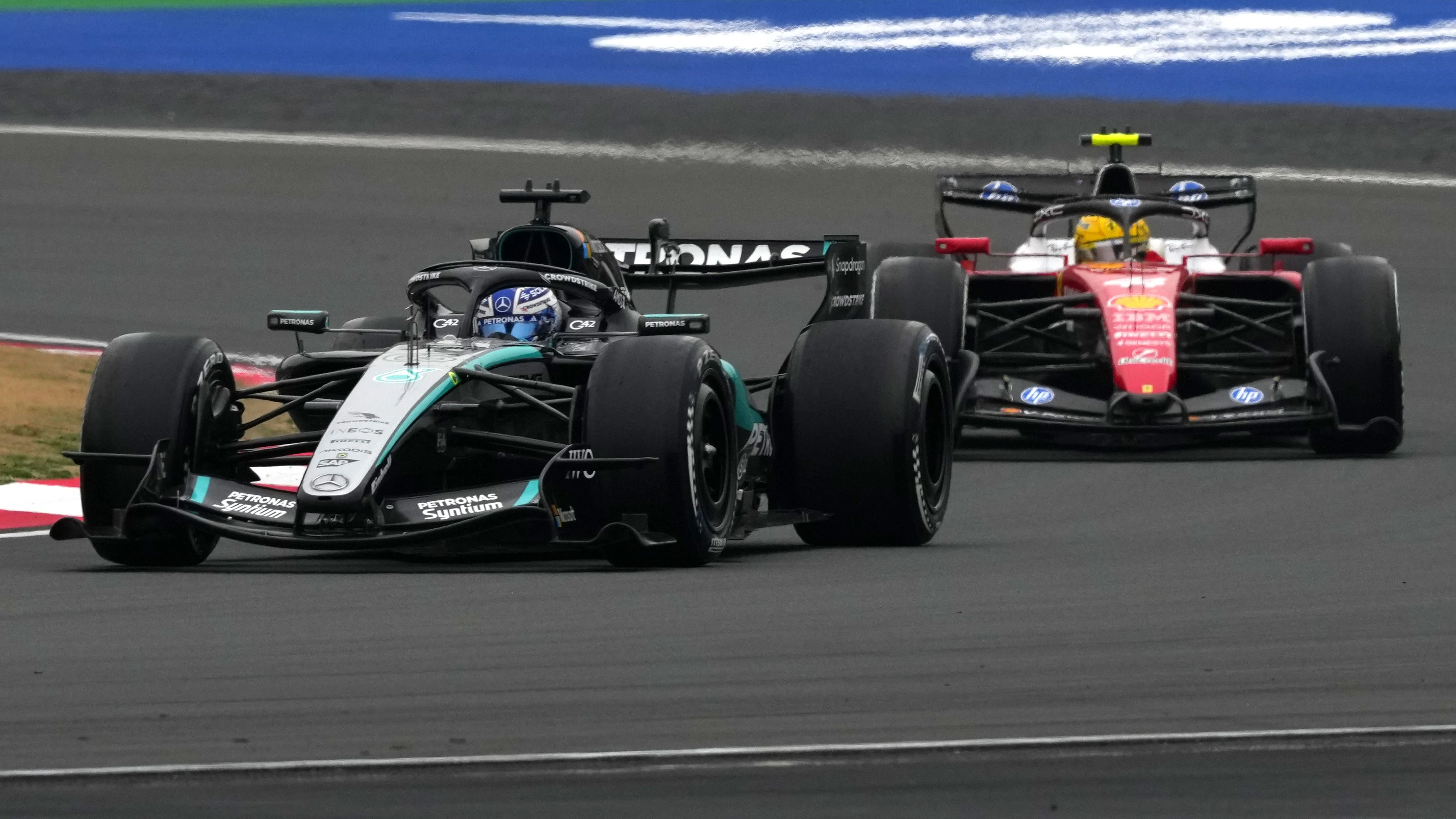
While there is no racing to report on, April unofficially features some F1 action – starting with tyre supplier Pirelli holding a two-day test at Suzuka following last weekend’s Japanese Grand Prix.
Red Bull and Racing Bulls provided a car each to help with tyre development on Tuesday (the final day of March) and Wednesday (the first day of April), before packing up and heading back to their bases.
A wet-tyre test is set to follow with Ferrari at Fiorano on April 9 and 10, before Mercedes and McLaren head to the Nurburgring – which last hosted F1 in 2020 – for a planned dry-tyre test from April 14-15.
Otherwise, the next time F1 cars hit the track will be during practice for the Miami Grand Prix on Friday, May 1 – after those five weeks of hard work in the background.
Next Up
Related Articles
 'We are where we should be' – Norris on Singapore Qualifying
 What the teams said – Sprint day and Qualifying in Singapore
 Verstappen your Singapore Driver of the Day after dominant win
 Russell trying to understand why Mercedes 'didn't feel the same'
 BettingWhy F1 fans should keep emotions out of Singapore GP
 UnlockedWhat are the tyre strategy options for the Singapore GP?