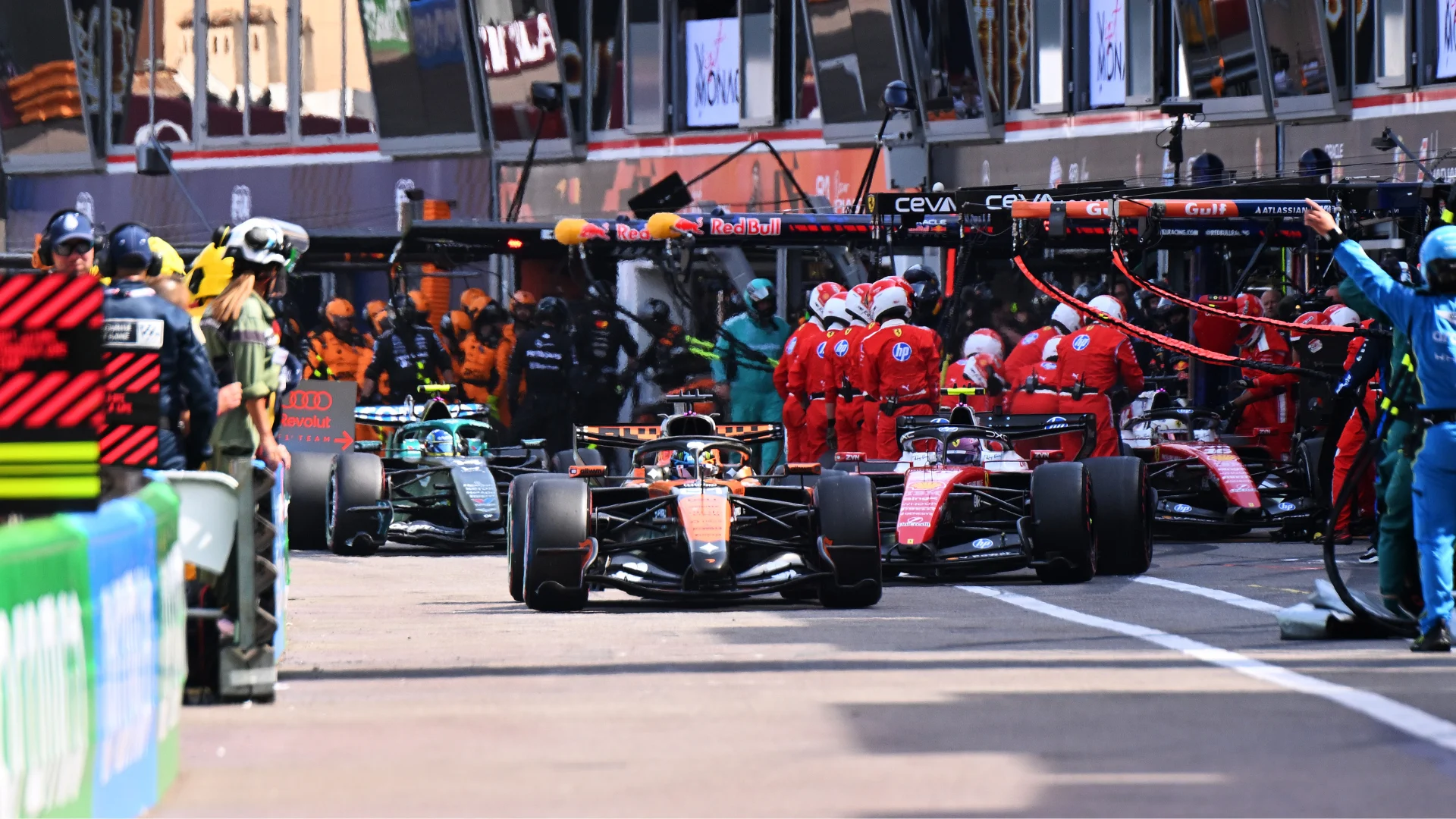
Several drivers were caught speeding in the pit lane during Formula 1’s Monaco Grand Prix, with the penalties impacting the race order and causing consternation for many. Here’s a look at how the pit lane system operates and why so many drivers were caught out in Monte Carlo.
Why Formula 1 has pit lane limits
For decades Formula 1 never had pit lane speed limits and in the very early years of the championship, many pit areas were not even separated from the main part of the track.
As Formula 1 cars began getting quicker, pit strategy became increasingly more important in a Grand Prix, and a spate of incidents and near-misses in an era of greater emphasis on safety prompted a rethink.
During the course of the 1994 season, one laced by tragedy, pit lane speed limits were introduced, and the exact speed has evolved across the following decades.
The pit lane speed limit applies between the entry line and exit line, and there is a small sign with the limit indicated placed adjacent to the pit lane entry line.
What is the pit lane speed limit?
For the 2026 season the pit lane speed limit is set at 80kph, which applies across all segments of the event.
At select Grands Prix, and in the interests of safety, this limit is reduced to 60kph, and this is outlined by the Race Director in his pre-event notes distributed to the teams. That applies to Monaco, on account of the congested and tight nature of the pit lane, accentuated in 2026 by the presence of the new Cadillac team.
Any tweak has a strategic impact on the race as teams have to account for a greater loss of time spent at 60kph rather than 80kph when in the pit lane. Teams are fined €100 for every kph above the limit, up to €1000, if their driver speeds during practice or Qualifying, while in race conditions a five-second time penalty is applied.
Stewards have the ability to apply greater penalties if it is deemed a driver was speeding excessively in order to gain an advantage. There is no wiggle room involved – in Monaco five of the six in-race transgressions were measured at 60.1kph.
How is it measured?
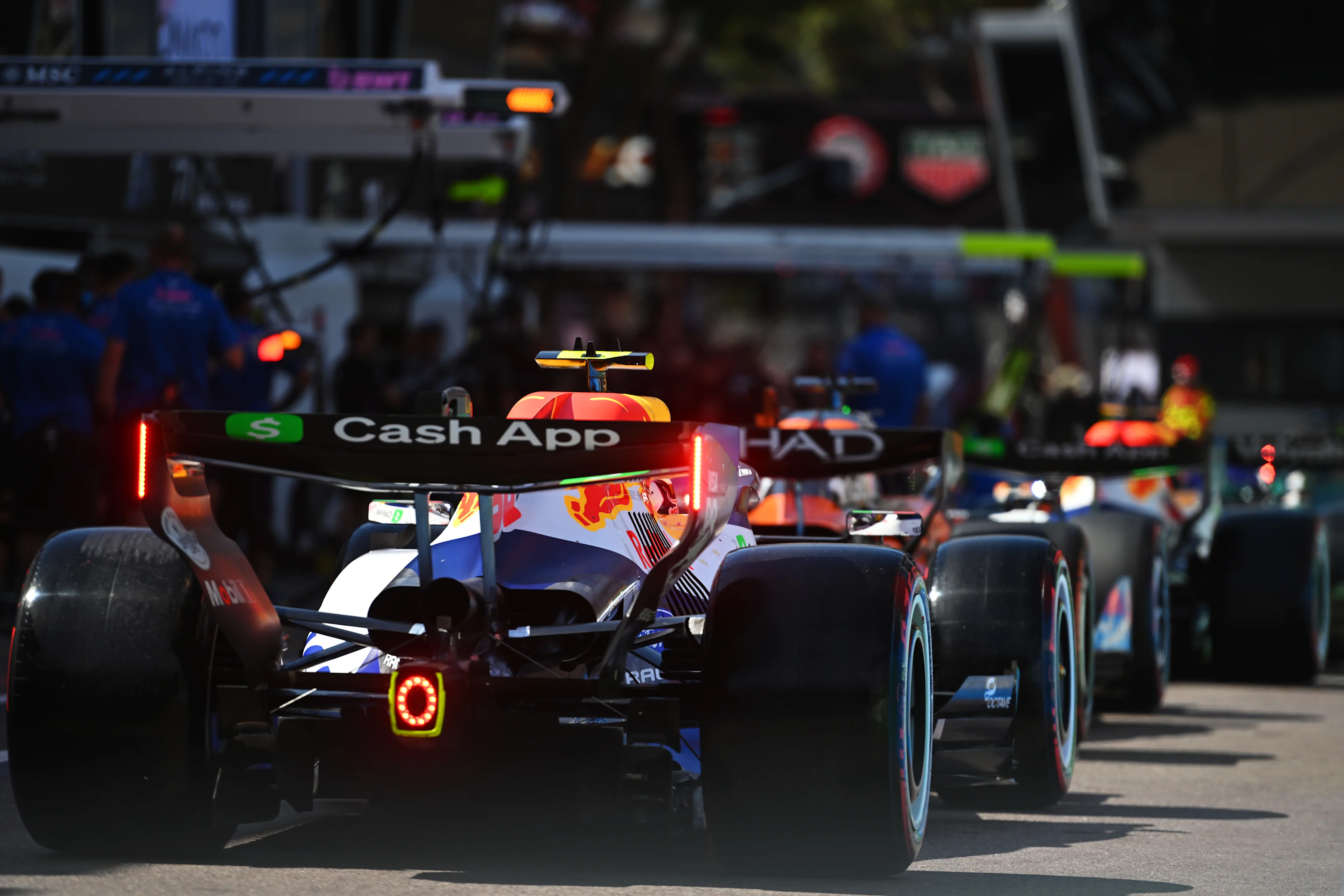
The speed of a car is measured by FIA transponders and electronic timing loops, rather than through a camera or speed guns that you would ordinarily find on public roads.
These measure the average speed of a Formula 1 car across a series of timing beams in the pit lane, which calculates the time it was taken for a car to pass between the respective loops.
The majority of pit lanes during the year are parallel to the start/finish line, with drivers driving in a straight line into and out of the pit lane, turning only to enter and exit their respective pit boxes.
Monaco’s pit lane is slightly unusual in that drivers peel off to the right before the final corner, then have to turn left shortly after the pit entry line, with another slight left-hand kink at the other end of the pit lane before the pit exit.
Consequently, too much of an aggressive cut at either the start or end of the fast lane of the pit lane shortens the time taken to pass between the timing loops, with the system determining that they have broken the speed limit.
How are the penalties applied
Just as drivers receive time penalties for causing a collision, or any other misdemeanour, if they make no further pit stops the sanction is applied to their overall race time once they cross the finish line.
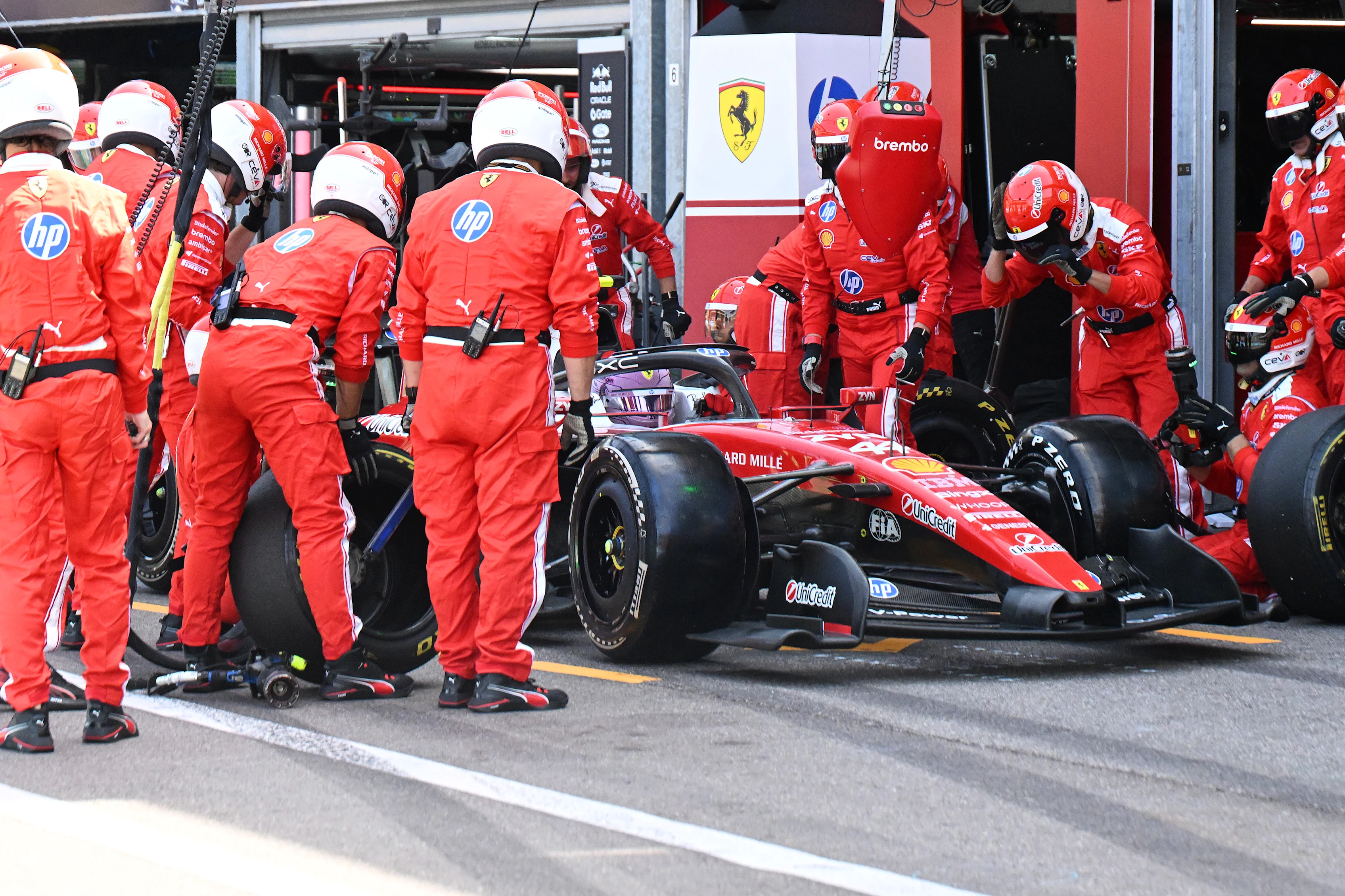
But if a driver makes a pit stop after receiving a penalty then they must remain stationary in their pit box for a full five seconds before work is carried out on the car.
During Sunday’s Grand Prix, Lewis Hamilton and Oscar Piastri served five-second time penalties during a pit stop, while Pierre Gasly’s time drop was applied immediately post-race as he did not make another pit stop after his penalty was awarded.
Mercedes, meanwhile, erred when George Russell entered his pit box and did not wait five seconds before servicing his car. As his penalty was not correctly served, his five-second time penalty was superseded by a drive-through penalty, which he served before the end of the race.
Next Up
Related Articles
.webp) Unlocked5 Winners and 5 Losers from Singapore
Unlocked5 Winners and 5 Losers from Singapore Inside the making of Netflix’s Schumacher ’94
  UnlockedPALMER: What really cost Hamilton a podium in Singapore?
 The 2026 Qualifying and race head-to-heads so far
 F1 returns to Africa with 10-year deal to race in Rwanda
 UnlockedThink you're Fan1? Win a VIP trip to Las Vegas