F1 ICONS: Patrick Dempsey on his respect for five-time champion Juan Manuel Fangio
American actor and TAG Heuer House Ambassador Patrick Dempsey pays tribute to 1950s F1 superstar Juan Manuel Fangio.

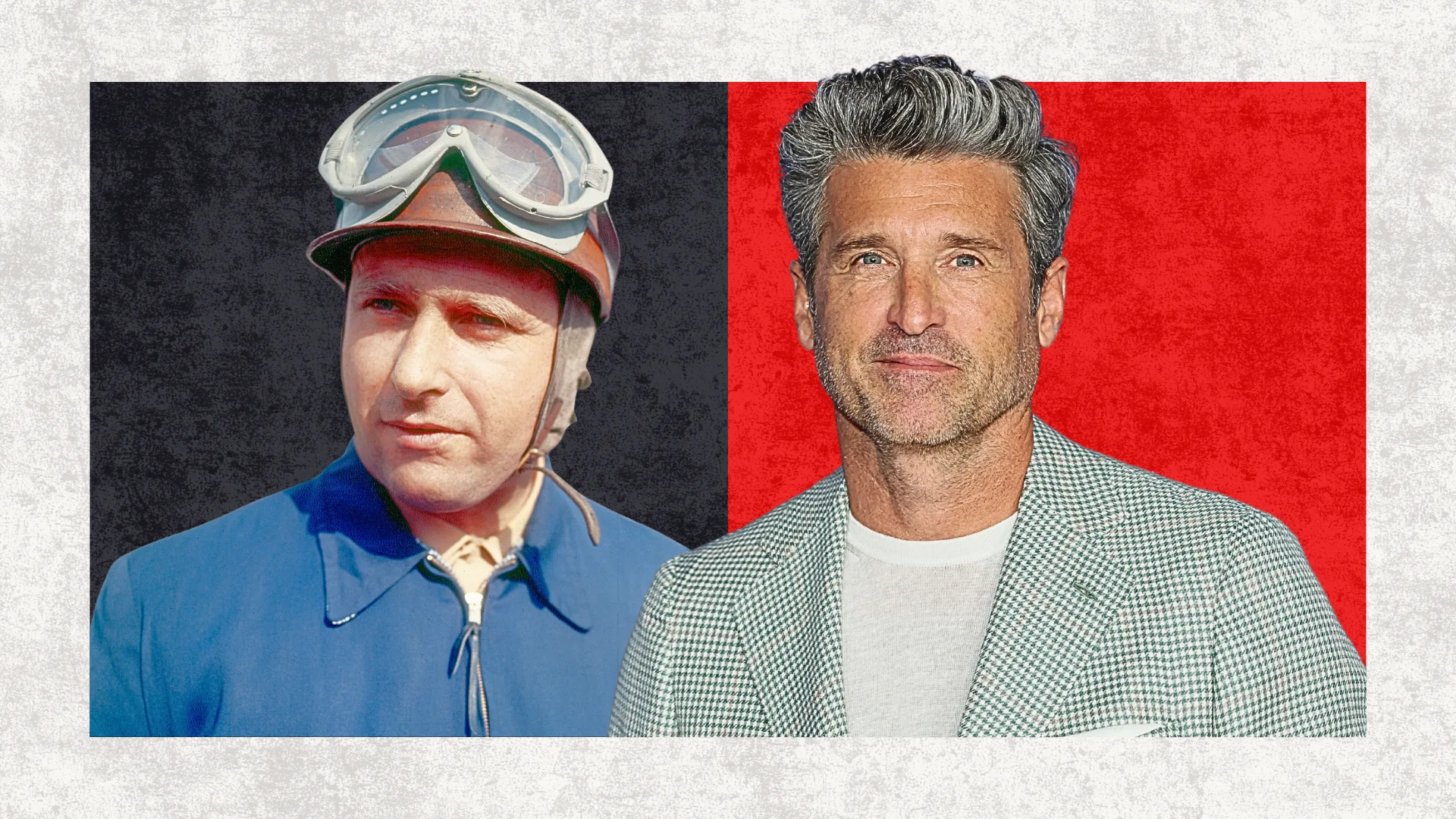
When I think of my F1 icon, I think you have to go back to Juan Manuel Fangio and his World Championships in so many different cars and makes. I think in that era in particular, his ability to win consistently – I would say he would be the greatest of all time, in my opinion.
In terms of other drivers, you have to admire Michael Schumacher, his dominance. Ayrton Senna changed the sport with the discipline be brought. Lewis Hamilton as well is another great champion, and his rise to prominence was really a turning point in Formula 1 history. And we're seeing now Kimi Antonelli, the emergence of this next generation – and each generation brings something new to it.
When I played Piero Taruffi in Ferrari, I really got to immerse myself in the 1950s motorsport culture in preparation for that film. It was a fascinating time, as was the pre-war era with guys like Tazio Nuvolari.
But coming out of the post-war era, the technology they had, the cars, the tracks, the danger…Then the rise in speeds we saw in the 1960s, and that's when you really began to see more and more deaths. In the late ‘60s, early ‘70s, the statistics were horrible. But that was when Jackie Stewart, Jacky Ickx, all those great characters came through.
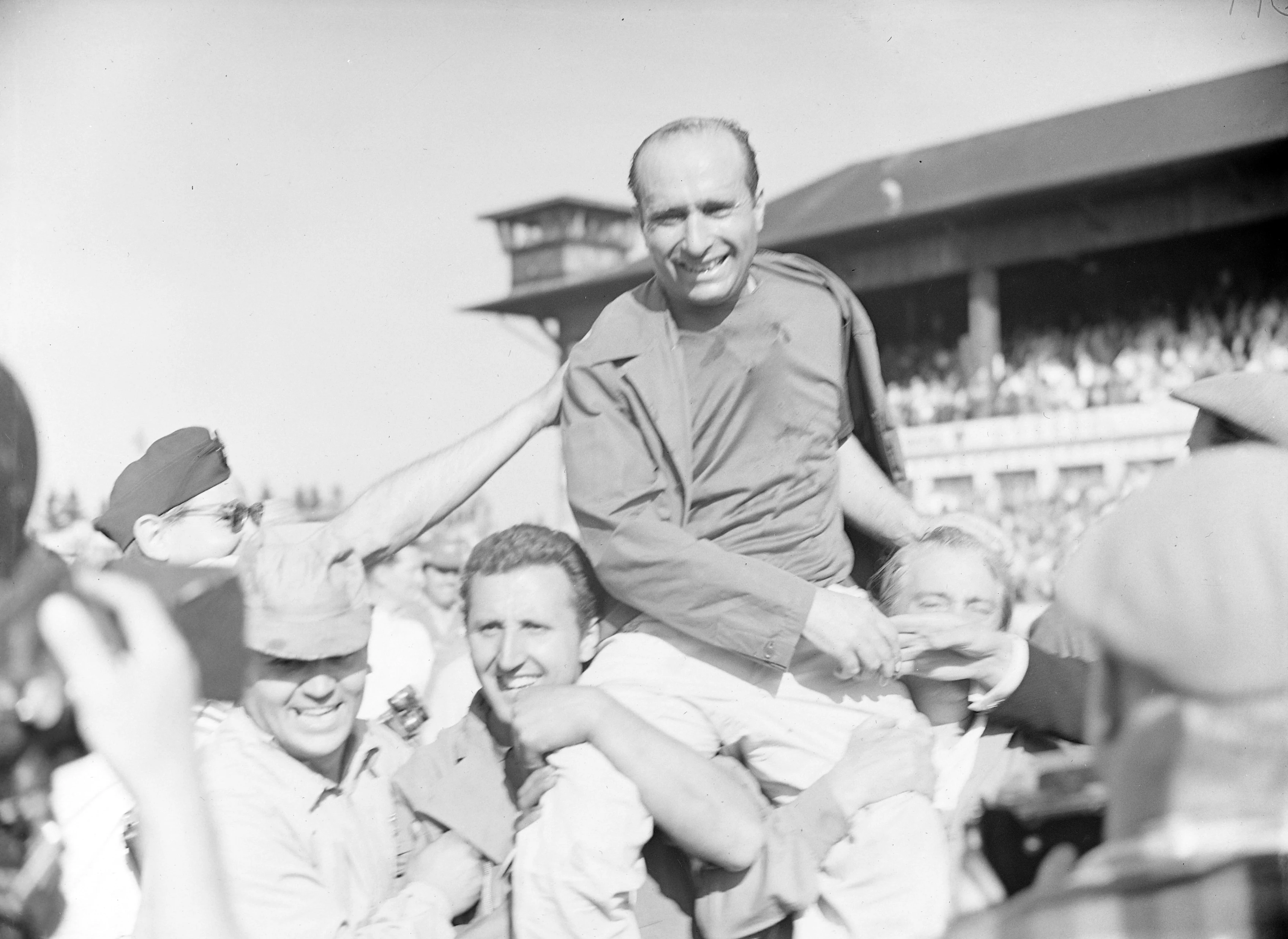
As a racing driver myself, would I have wanted to race in that era? I think I would have been attracted to it, certainly. We didn’t know what we know today about technology – but because so many lives have passed, they've learned so much from that. But racing at the old Spa would have been incredible. The Nurburgring would have been frightening – I’ve driven there, but I've never raced at it, and it's scary! Imola, Monza when it had the banking…
That period, you know, it was a different time, a different period in our history. It was a lot more relaxed. The camaraderie was different. I think if I was younger and knew less, I would go for it.
Now people are diving into the history, and there are some great books out there that I encourage people to read. Drive to Survive has opened Formula 1 up to a much wider audience, which is part of the reason we're seeing the popularity we're seeing today.
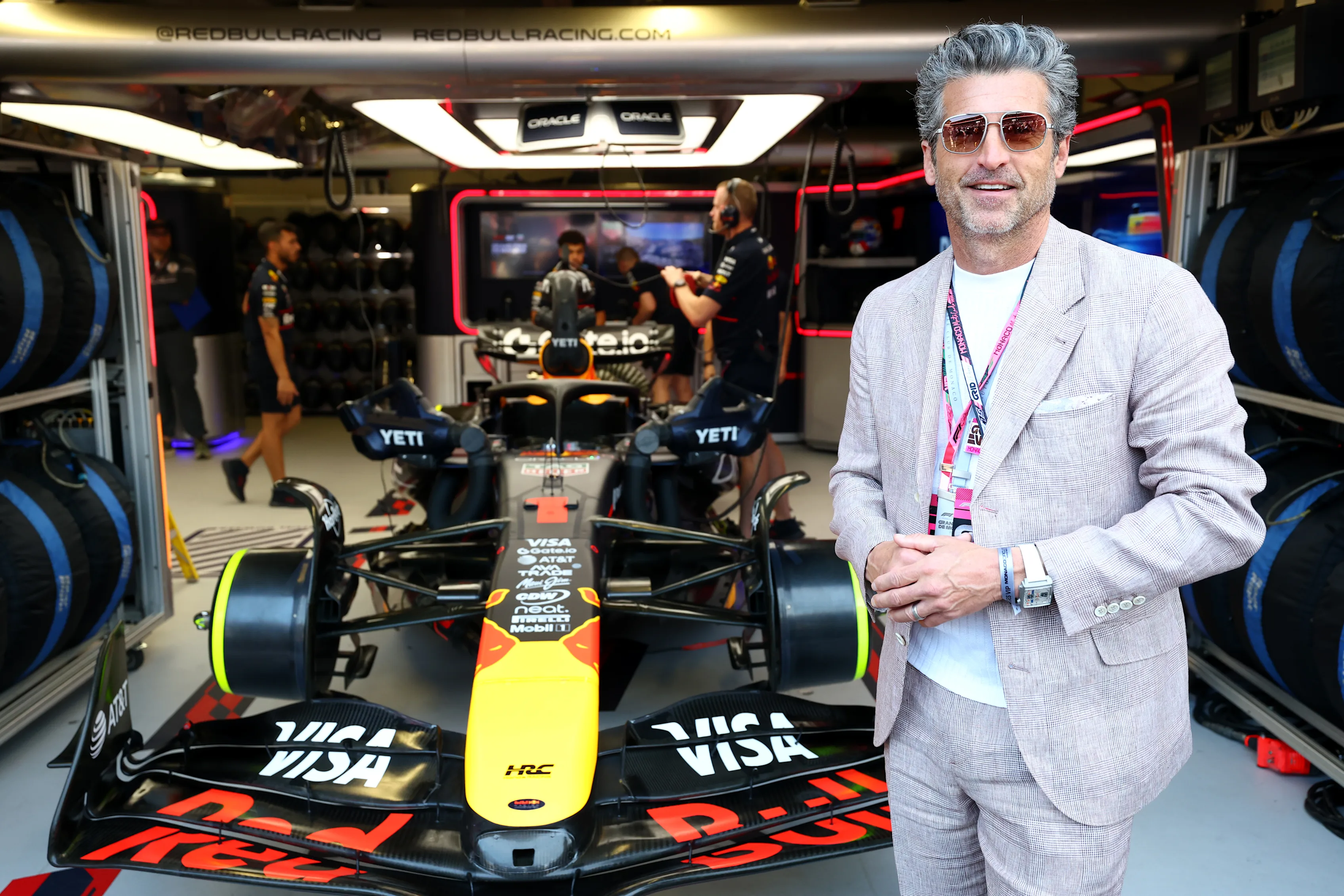
I love that I now get to spend time at Formula 1 events as an ambassador for TAG Heuer. Watches are such a big part of the history of F1, and I’ve got some nice pieces in my collection.
The first time I went to Spa, I bought a vintage Heuer Monaco watch. My Porsche team mate Patrick Long and I were driving up to the track and we stopped in this little village. This guy had this collection and I was like, you know what? It's so great that TAG Heuer is a real, legitimate sponsor on my car; I was so proud of that, and the fact that they came on board to make it possible for us to go to Le Mans.
I wanted something to remember my season in the World Endurance Championship in 2015, so I bought it. That was my first vintage watch that I collected. Then I bought an Autavia Heuer watch, and a ‘Senna’ watch [TAG Heuer reference S25.706C].
So I'm building my collection and it's really quite special. It's because of that rich racing history that it’s so authentic and so appropriate for TAG Heuer to be the Official Timekeeper of F1.
Next Up
Related Articles
 The 27 tracks Verstappen has won at after Singapore triumph
 Inside the making of Netflix’s Schumacher ’94
  Wolff wary of Red Bull's growing threat to Mercedes
.webp) UnlockedHow Hamilton's call helped put Antonelli in reach of the title
UnlockedHow Hamilton's call helped put Antonelli in reach of the title The next Ferrari protege Haas couldn’t turn down
 Mekies signs long-term contract extension with Red Bull