IN NUMBERS: From record crowds to environmental initiatives – the incredible stats behind the 2026 F1 season so far
As the sport pauses for a summer break, we present some of the standout numbers from the 2026 campaign up to this point.
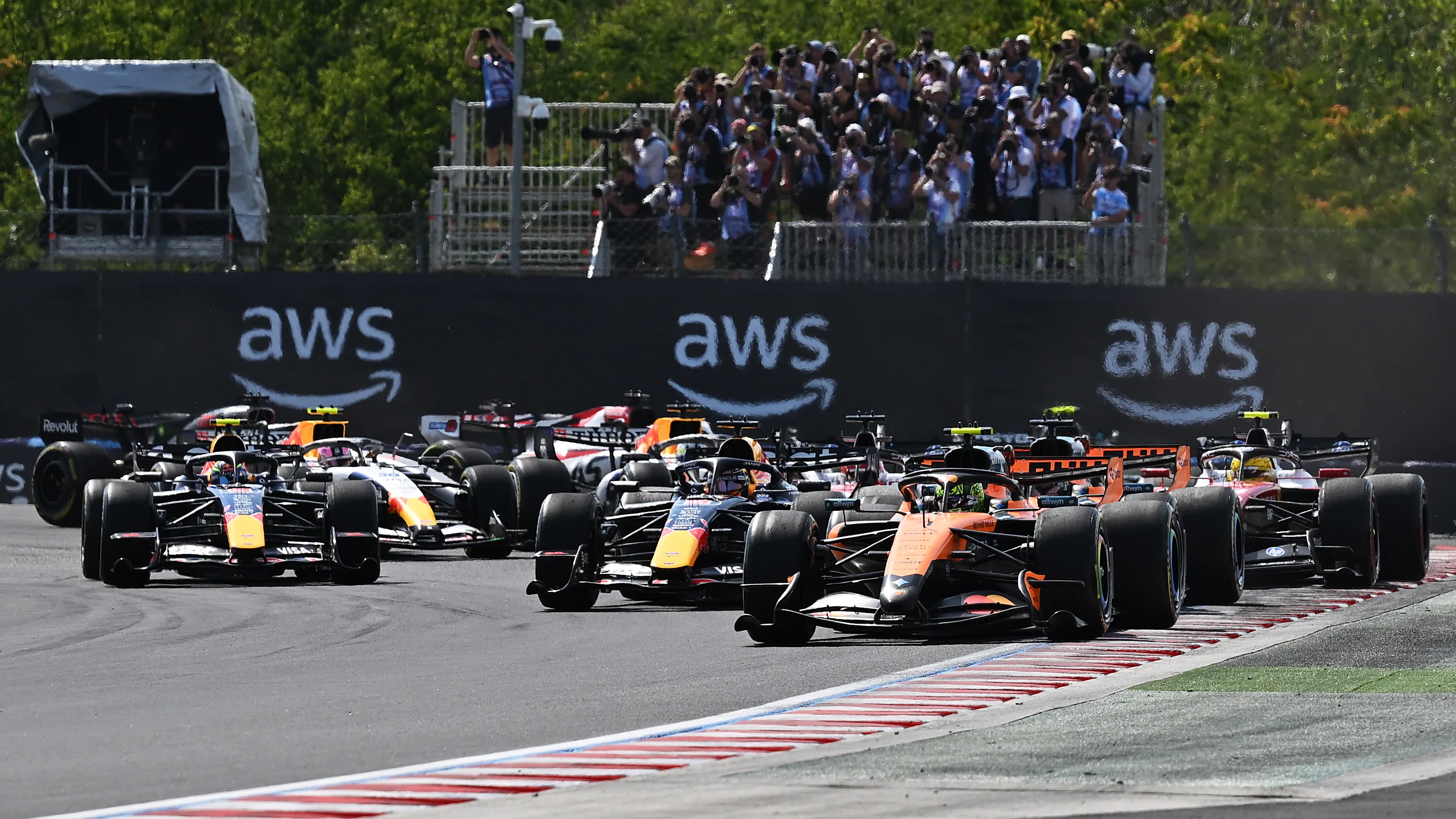
Formula 1 entered a new era in 2026, with overhauled regulations, debutant teams and rookie drivers all featuring – and serving up plenty of entertainment for fans across 11 action-packed rounds from Australia in early-March to Hungary last weekend.
As the paddock pauses to catch its collective breath, we present some of the incredible statistics behind the season so far, spanning race attendance, TV viewership, arriving races, social engagement, environmental initiatives and more.
Race attendance
- All events in 2026 have been sold-out.
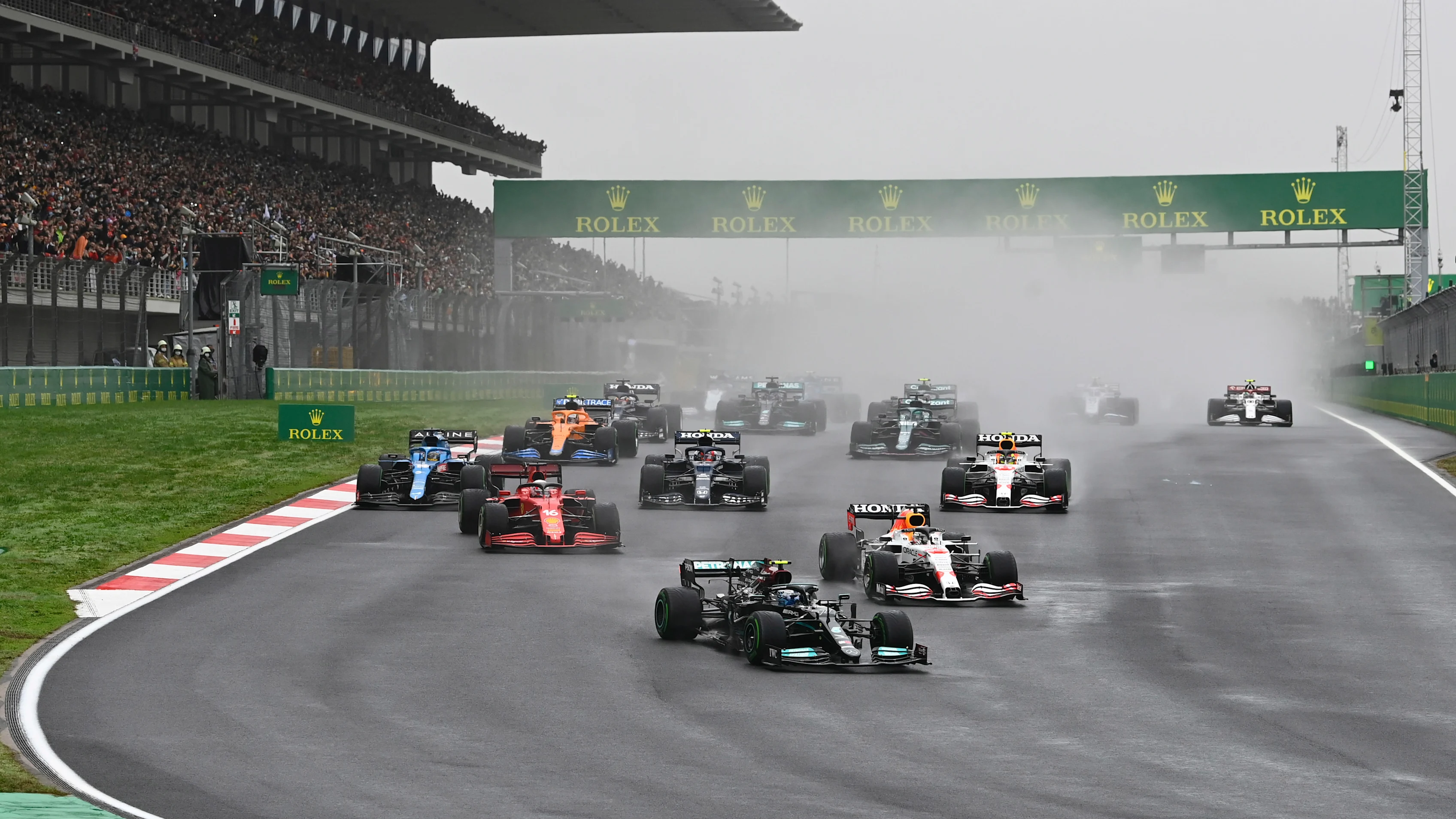
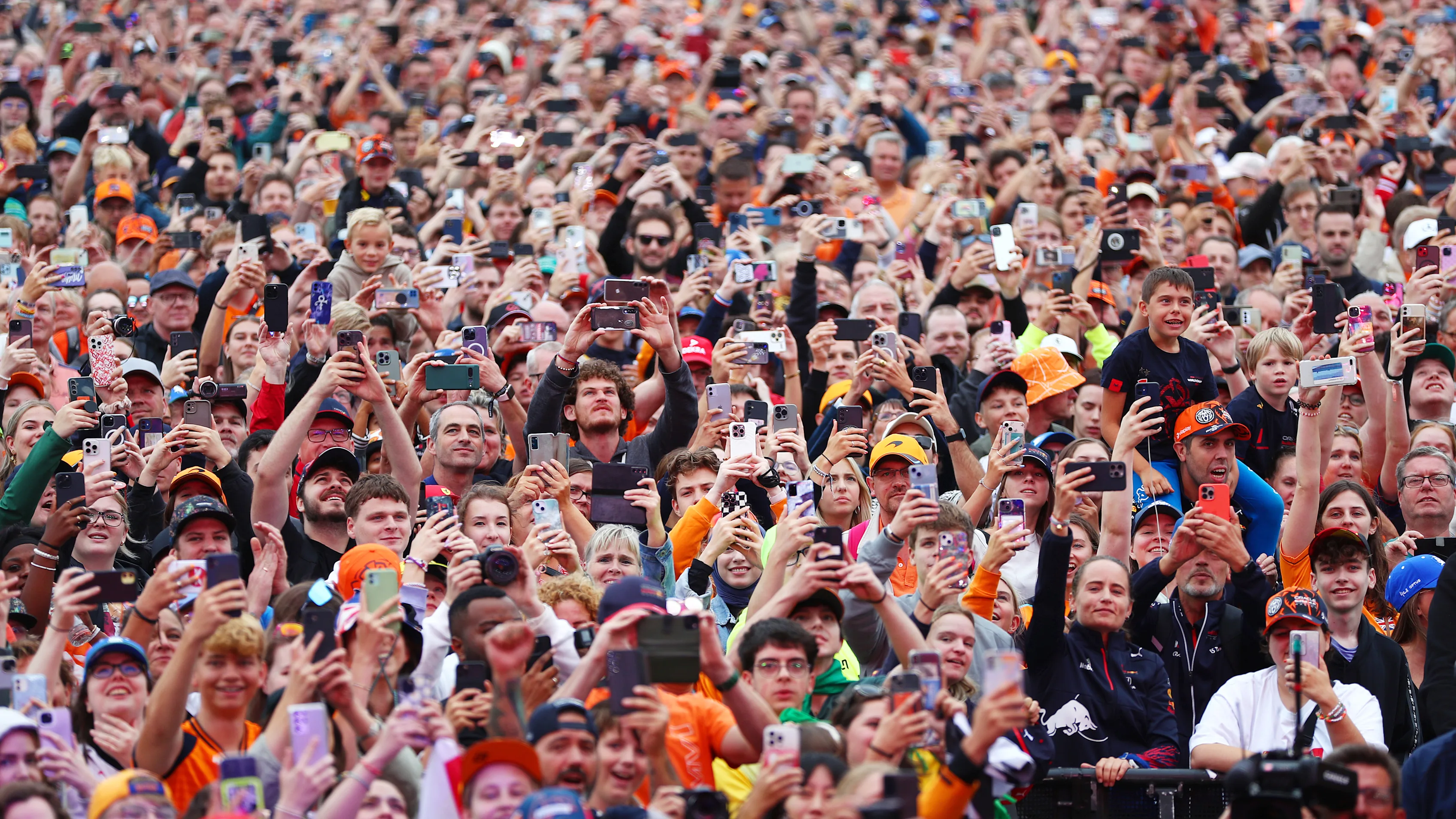
- Nearly 3.7 million people have attended race weekends this year vs 3.4 million when compared to the same races in 2025 (+6% year-on-year).
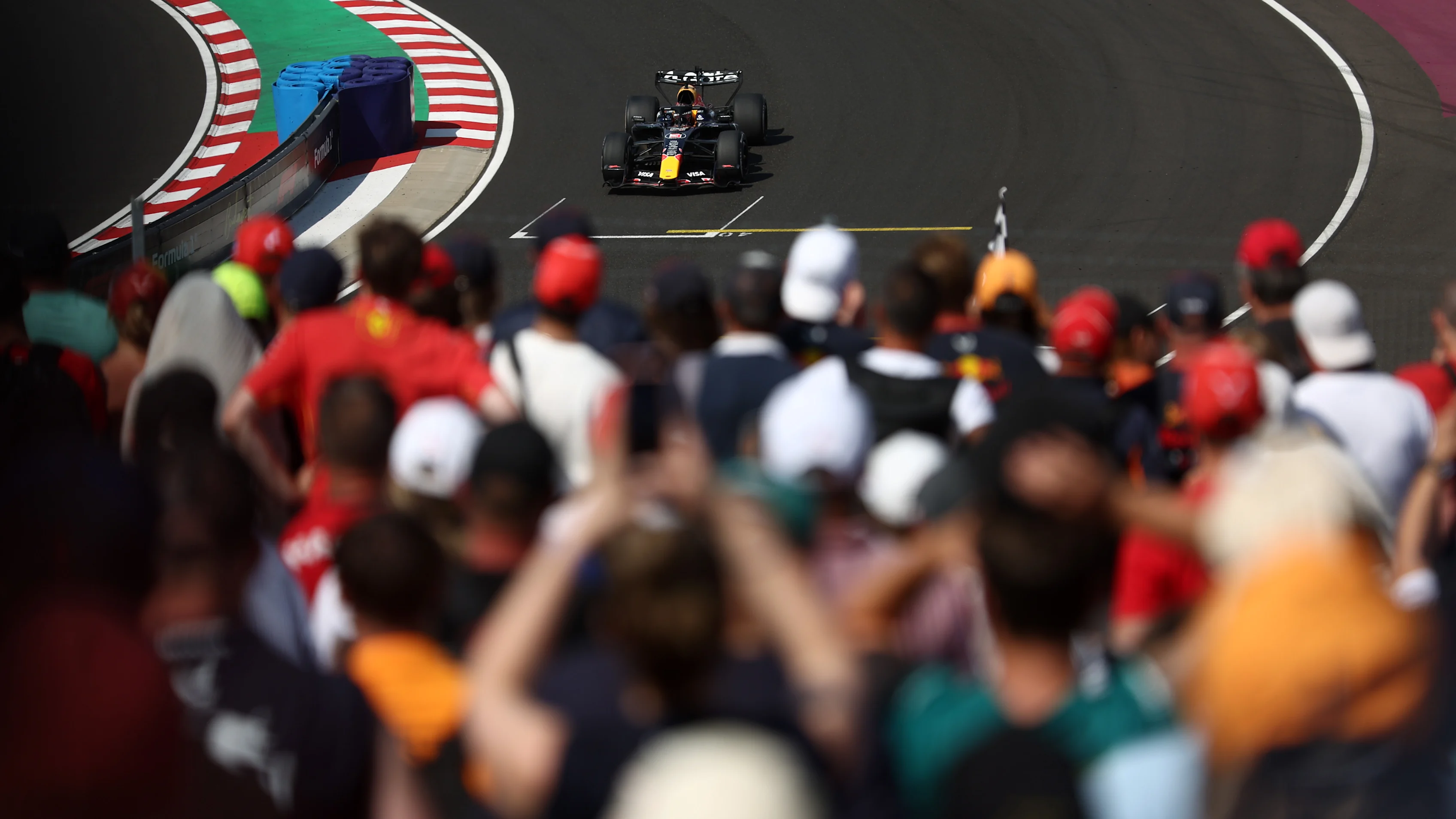
Five new circuit attendance records have been broken:
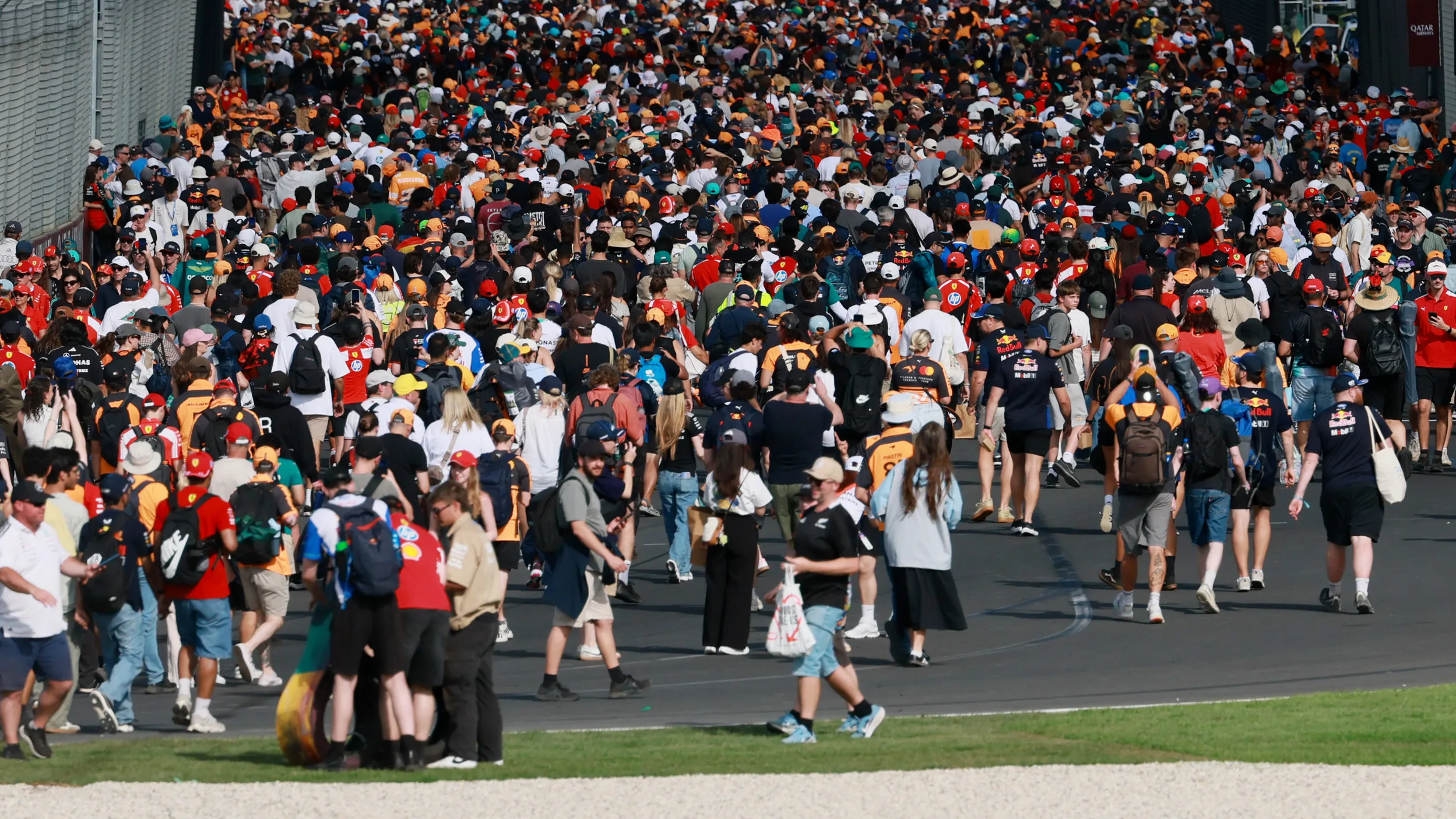
- Australia (484,000)
- Canada (360,000)
- Austria (320,000)
- Silverstone (564,000)
- Belgium (400,000)
Versus 2025, attendance increases include:
- Japanese Grand Prix up by 18%
- British Grand Prix up by 13%
- Austrian Grand Prix up by 7%
TV viewership
The sport continues to see a growth in global TV audiences, led by several key strategic markets, including Brazil, Italy and China.
In Brazil, total TV audiences have grown significantly year-on-year, with race weekends delivering audiences up to five times larger than in 2025.
The British Grand Prix reached a record 18 million viewers across Brazil’s TV Globo and SportTV3, generating the highest audience for the event in eight years and the largest single-market audience for any F1 race globally since 2020.
In Italy, TV audiences are up 27% through the British Grand Prix compared to 2025.
Several races delivered their largest audiences in Italy in recent years, including:
- Japanese Grand Prix (highest audience since 2017)
- Belgian Grand Prix (highest audience since 2019)
In China, weekend TV audiences watching the Chinese Grand Prix more than doubled year on year, while increased coverage and growing fandom has maintained strong performance for other races this year.
The Monaco Grand Prix reached nearly 80 million viewers globally, up double digits versus 2025.
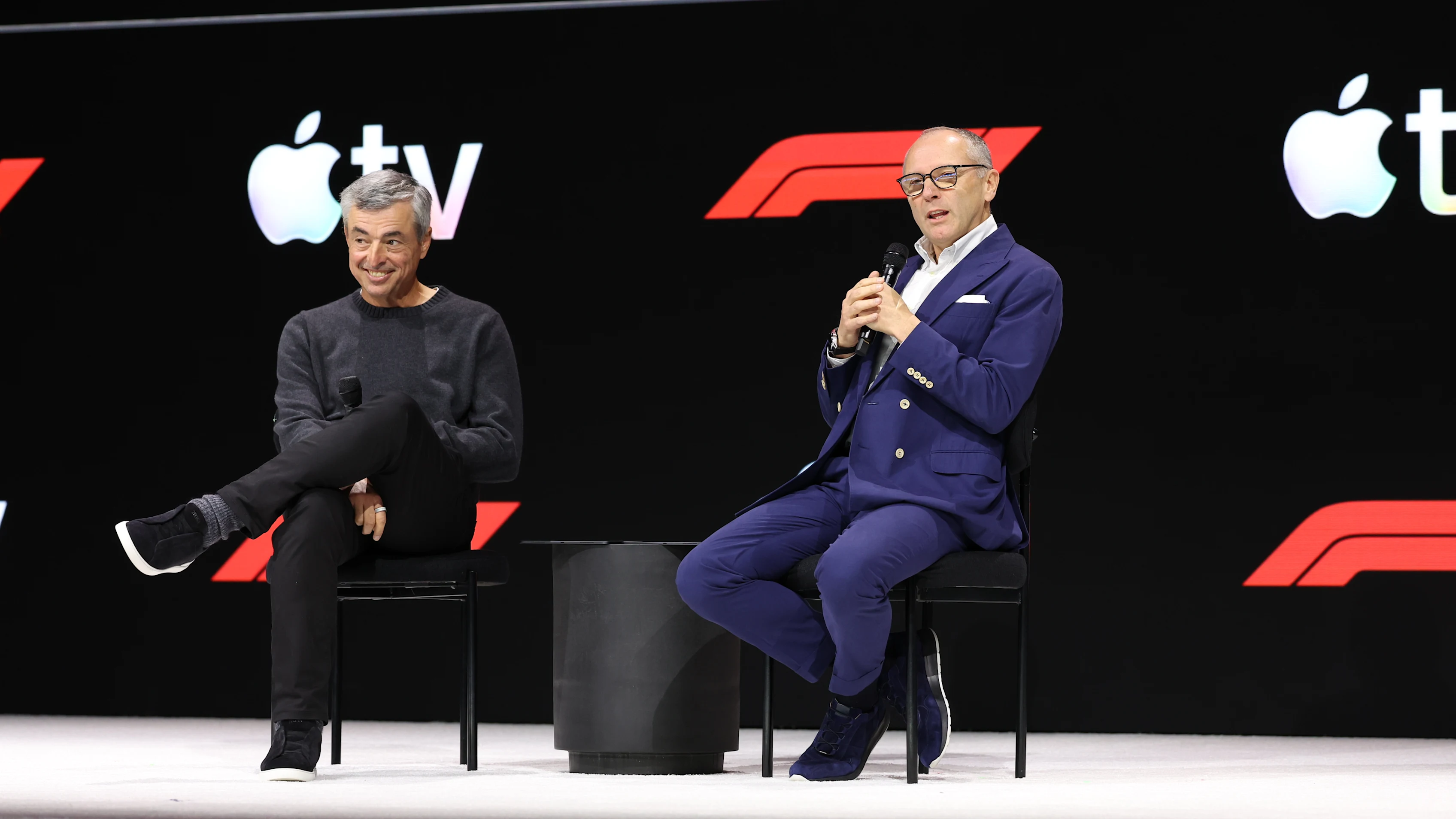
Meanwhile, the sport continues to develop and evolve its new broadcast partnership with Apple, already delivering excellent viewership and engagement across its entire portfolio of platforms.
This included Apple’s first ever simulcast with Netflix for the Canadian Grand Prix while also showing Drive to Survive, attracting a younger and more diverse audience that continues to break new ground for how avid and casual race fans consume the sport.
New and renewed races
The sport’s global growth has led to an increase in host city interest, both from existing and new venue locations, including:
- A five-year agreement signed with Türkiye’s Istanbul Park through 2031.
- A 10-year extension for the Las Vegas Grand Prix through 2037.
- Multi-year alternating extensions for the Circuit de Barcelona-Catalunya (2028, 2030, 2032). and Circuit de Spa-Francorchamps (2027, 2029, 2031).
- Portugal’s Portimão returning to the calendar with a multi-year agreement for 2027 and 2028, announced at the end of 2025.
F1 social media and F1.com/App
- +125 million social followers, an increase of +19% year-on-year.
- F1’s Instagram platform continues to be one of the most engaged channels across world sport.
- +12% year-on-year increase in social impressions across social accounts.
- +54% year-on-year increase in video views, driven by strong TikTok engagement.
- +70 million views across social platforms for the Drivers’ Parade LEGO activation at Silverstone.
- +7 million hours of viewing time spent on expanded video content across F1.com and F1 App.
Growth and demographic trends
The global fan base continues to increase each year, with more than 830 million people following the sport, up +64% compared to 2018 figures that marked the first full year after Liberty Media’s acquisition.
Currently, 42% of the sport’s audience is female, with women making up three-quarters of new fans, while 43% of the total fanbase is under 35 years old.
F1 Sim Racing World Championship
The 2026 F1 Sim Racing World Championship returned, featuring:
- Nine teams and 12 rounds at four separate events.
- The opening round at the global esports and gaming festival, DreamHack Birmingham, in front of 50,000 fans.
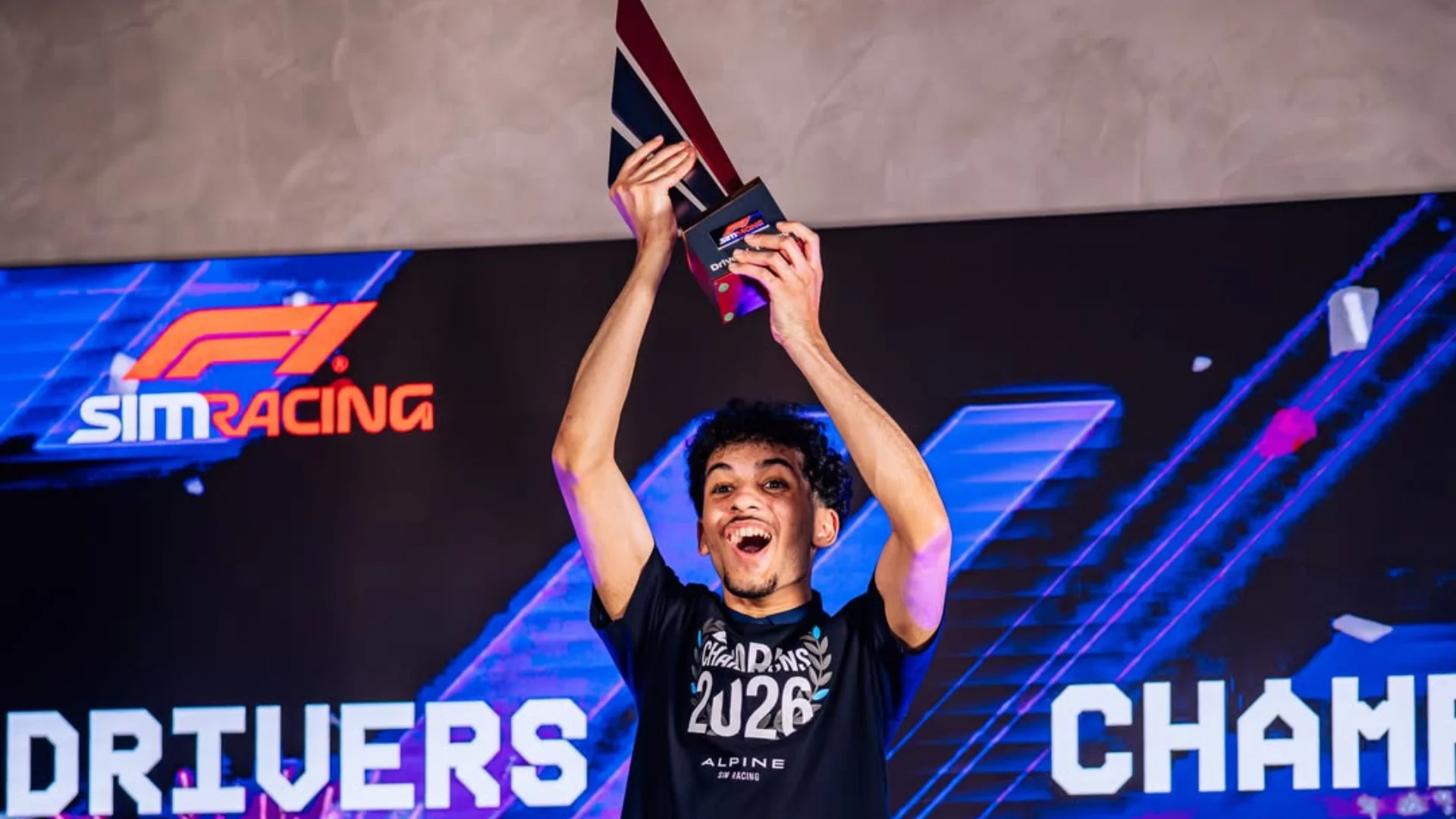
- Three events hosted at F1’s state-of-the-art, multi-purpose sim racing studio within its Media and Technology Centre in Biggin Hill.
- 72% increase to nearly 13 million live viewers across YouTube, Twitch and Facebook compared to 2025.
- 269 million social media views and 84 million social video views across content so far this year.
ESG (Environmental, social and governance)
In June, we announced that the sport remains on track to achieve its commitment of becoming Net Zero by 2030, having delivered a 35% reduction (including SAFc) in its carbon footprint compared to the 2018 baseline.
To read the full 2025 Sustainability Report, click here.
Carbon reduction highlights include:
- Factories and facilities emissions across the sport have reduced by over 37,000 tCO2e, representing a 64% reduction against 2018 and a 14% reduction compared to 2024. These savings have been achieved through a continued pursuit by F1 and F1 teams to transition to renewable energy sources to power their factory and office sites.
- Logistics emissions have decreased by almost 20,000 tCO2e, representing a 29% reduction against 2018 and a 21% reduction compared to 2024. This has been achieved by F1 continuing to implement its ultra-efficient logistics strategy, including lower carbon solutions across land, air and sea transport for the first time.
- Event Operations emissions have decreased by over 1,000 tCO2e, representing a 6% reduction against 2018 and a 17% reduction on a per-race basis. This progress has been achieved during a period of significant growth with the calendar increasing from 21 events in 2018 to 24 events in 2025. The reduction has been driven by incredible collaboration with our promoters and a continued transition to renewable energy sources at Grands Prix.
Next Up
Related Articles
 Ferrari's Larsen to return for 2027 F1 ACADEMY campaign
 F1 returns to Africa with 10-year deal to race in Rwanda
 Williams outline plans for 50th anniversary year in 2027
 Mekies hails ‘outstanding’ Verstappen in Red Bull resurgence
 The next Ferrari protege Haas couldn’t turn down
 Mekies signs long-term contract extension with Red Bull