Planes, pasta and Paralympic gold: 10 unexpected careers F1 drivers pursued away from the track
From running airlines and farms to entering politics and producing music, these former F1 drivers found some unexpected ways to keep busy away from the track.
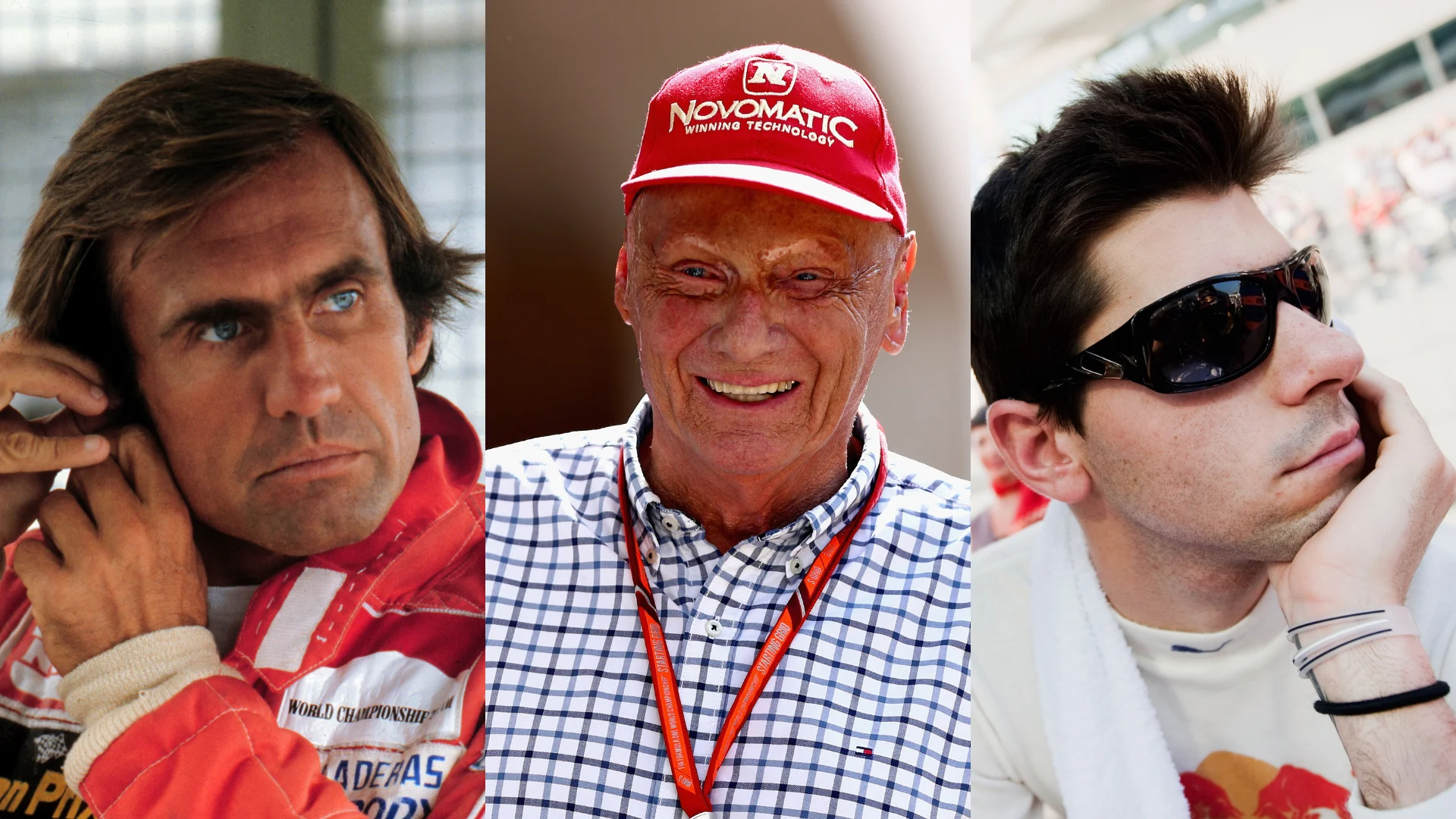
For Formula 1 drivers, retirement does not necessarily mean leaving the sport behind. Plenty swap the cockpit for the commentary box, while others become team bosses, ambassadors or driver managers – keeping one foot firmly planted in the paddock.
But for some, life away from F1 has taken a rather different turn. Across the decades, former drivers have traded racing cars for everything from fishing trawlers and farms to DJ decks and even political office.
Here are 10 F1 drivers whose careers away from the track took them somewhere rather unexpected...
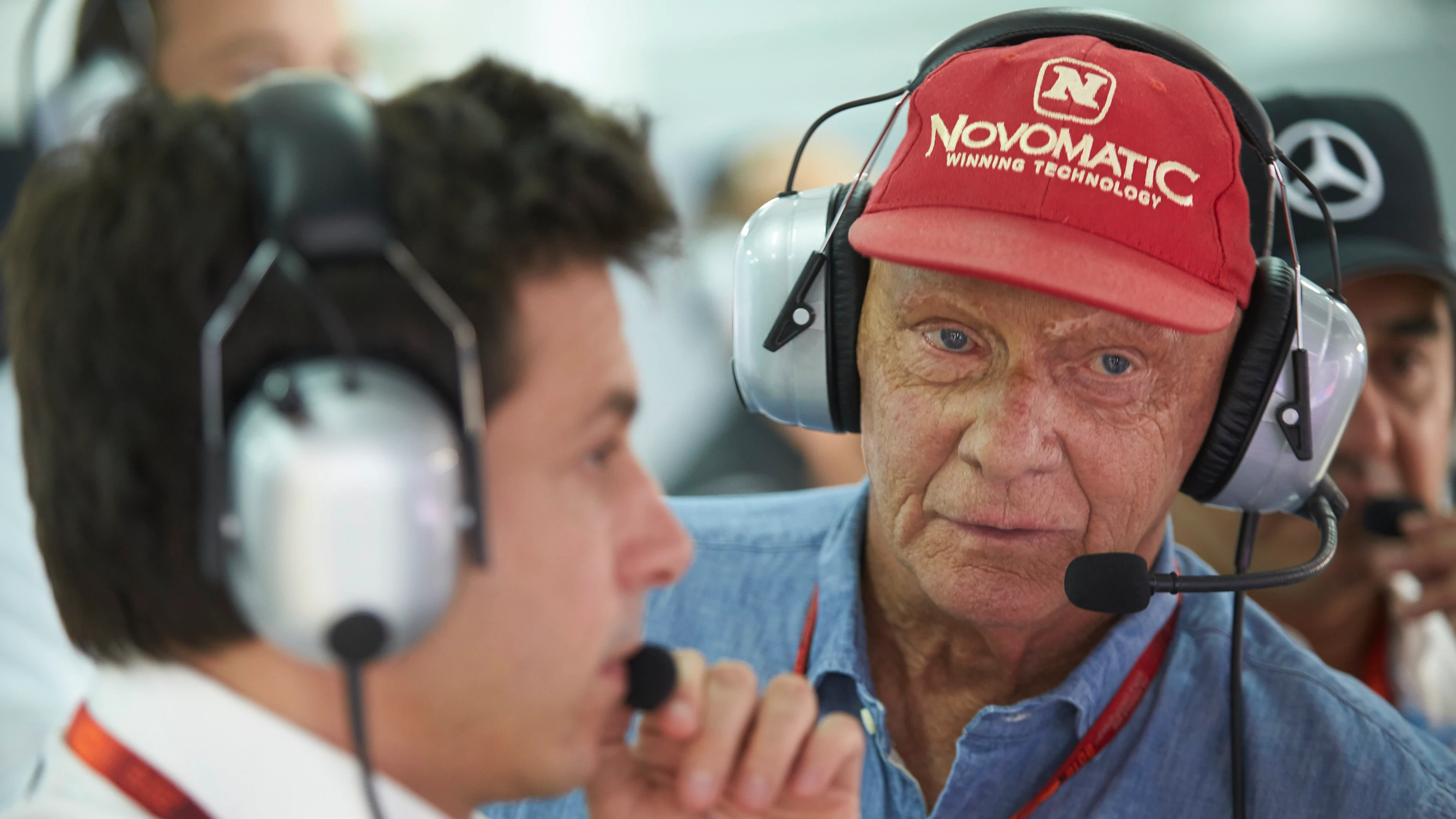
Niki Lauda – Airline entrepreneur
There aren't many things Niki Lauda didn't accomplish in Formula 1. The Austrian won three World Championships across two spells in the sport, famously battled James Hunt for the 1976 World Championship and eventually returned to the paddock in senior roles with Ferrari, Jaguar and Mercedes.
But even while his driving career was still unfolding, Lauda had another fascination entirely – aviation. He established Lauda Air in 1979, the same year he first stepped away from F1, and began building what would eventually become an international airline operating long-haul services around the world. After returning to Formula 1 with McLaren in 1982 and claiming a third World Championship, he retired for good three years later and turned his attention to aviation full-time, later expanding his involvement with ventures such as Niki and Laudamotion.
Being a three-time World Champion and playing a major role in Mercedes' future dominance would probably constitute enough careers for most people. But Lauda somehow found time to become a successful airline entrepreneur as well.
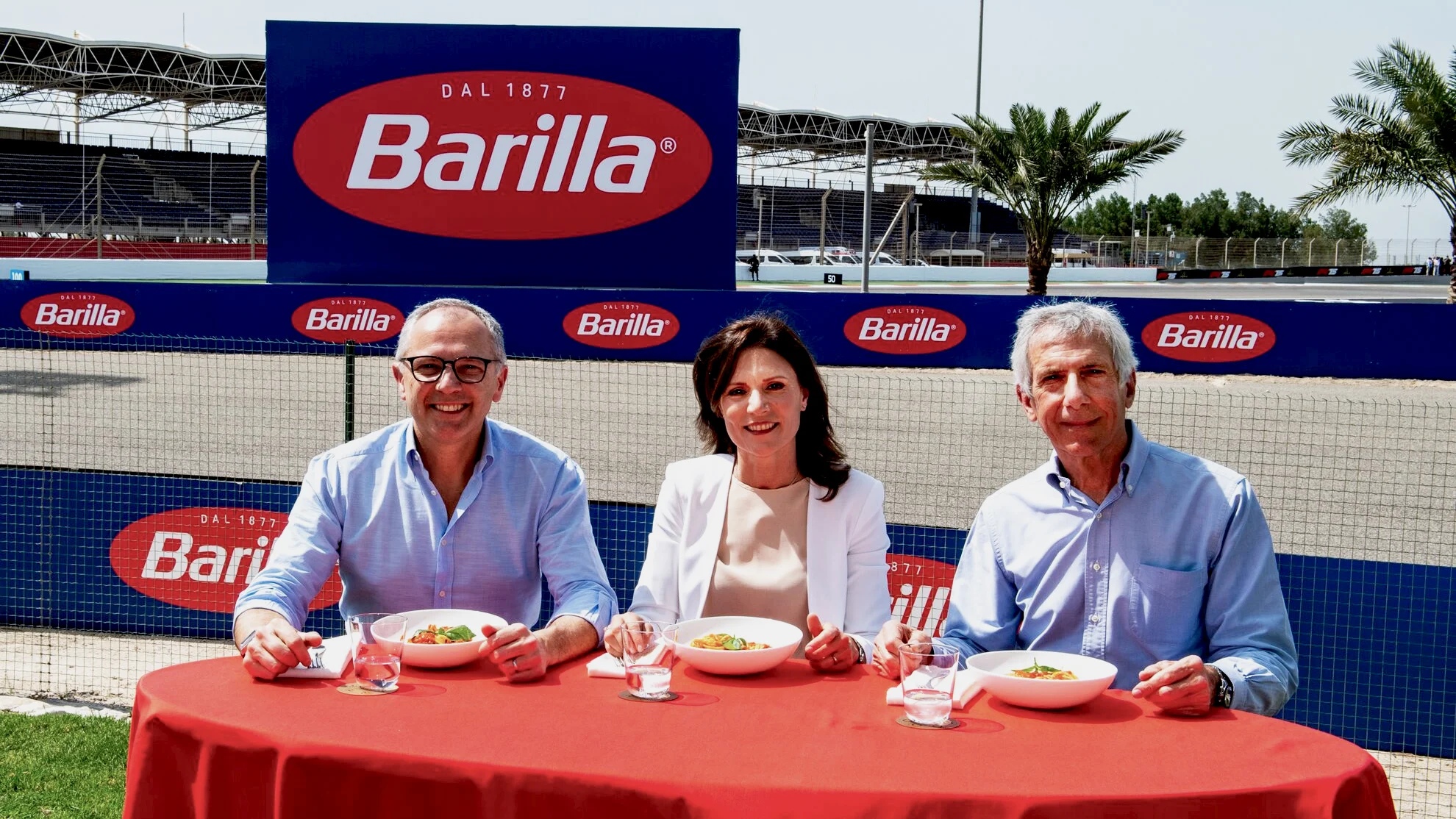
Paolo Barilla – Pasta executive
Paolo Barilla's time in Formula 1 was relatively brief. The Italian made his debut for Minardi at the 1989 Japanese Grand Prix and went on to enter 15 Grands Prix across two seasons, starting nine of them and recording a best finish of 11th. His racing CV extended well beyond F1, however – most notably including an outright victory at the 24 Hours of Le Mans in 1985.
By 1991, Barilla was ready for something different. Fortunately, there was a rather famous family business waiting for him.
He joined Barilla France before being appointed Deputy Chairman of the Barilla Group in 1994, a position he continues to hold. More than three decades after leaving the F1 grid, his two careers even collided when Barilla became an official Formula 1 partner in 2025.
Speaking at the announcement, Barilla said: “A lightning-fast F1 car and a delicious plate of pasta: what do they have in common? At first, it may not be obvious, but behind both, and the effort that goes into making them, are skilled professionals, passionate and determined, driven by the desire to keep improving.”
Perhaps racing cars and pasta have more in common than first meets the eye...
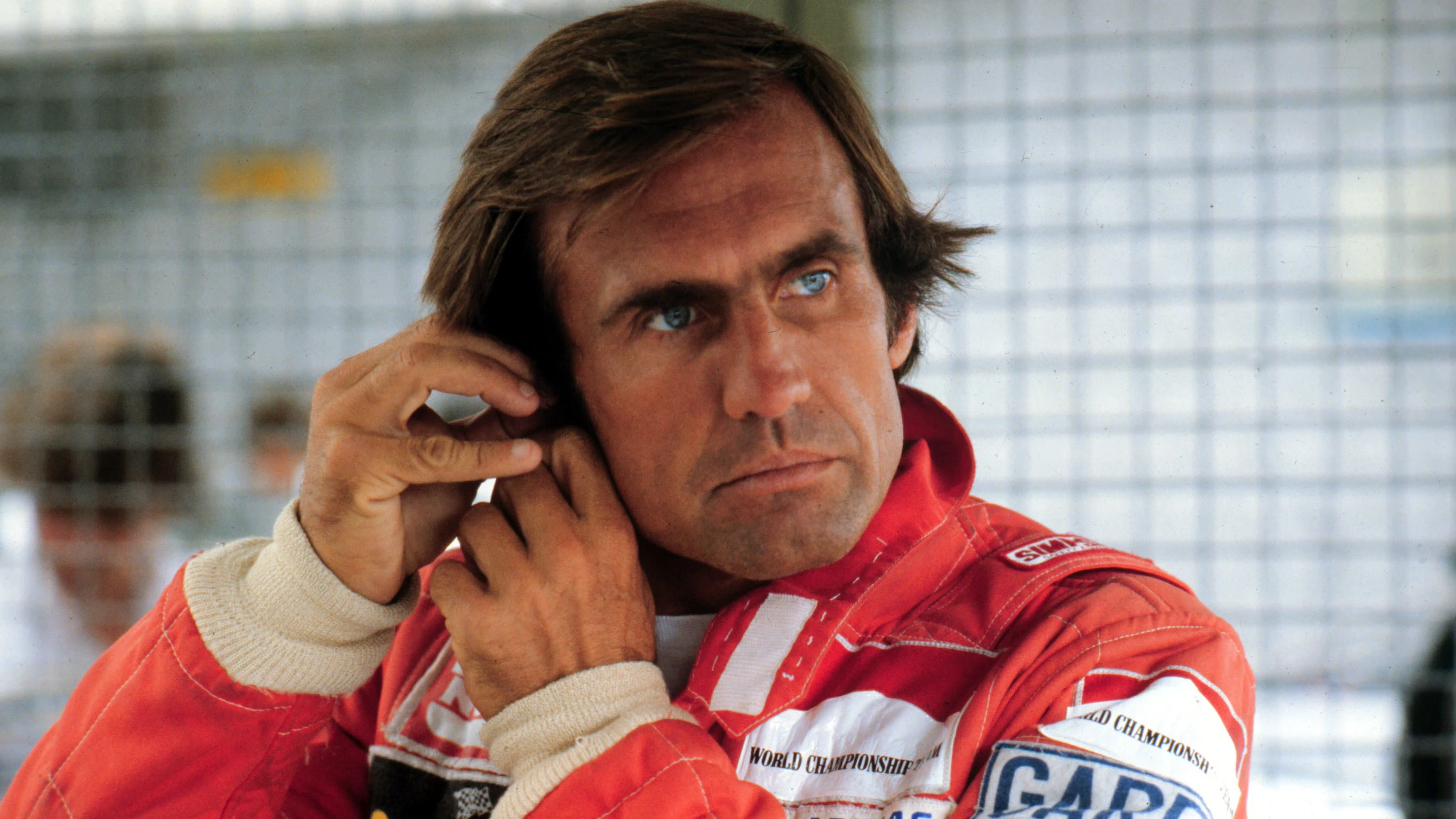
Carlos Reutemann – Politician
Carlos Reutemann came agonisingly close to becoming an F1 World Champion, losing the 1981 title to Nelson Piquet by a single point after arriving at the season finale in Las Vegas at the top of the standings.
By the time he stepped away from F1 in 1982, the Argentine had accumulated 12 Grand Prix victories and established himself as one of his country's greatest drivers behind five-time champion Juan Manuel Fangio. After briefly returning to rallying, Reutemann then entered an arena that could arguably be every bit as competitive as Formula 1 – politics.
In 1991, he was elected governor of his home province of Santa Fe, serving until 1995 before returning for a second term between 1999 and 2003. He then moved into Argentina's National Senate, winning re-election in both 2009 and 2015 and remaining a senator until his death in 2021.
Reutemann's political profile grew so significantly that he was considered a serious potential candidate for the Argentine presidency – but declined to run in 2002. From fighting for the F1 title to potentially fighting for the country's highest office, his competitive career certainly didn't end at the chequered flag.
Alex Ribeiro – Sports chaplain
Anyone familiar with Alex Ribeiro's racing cars might not be too surprised by the direction his life eventually took.
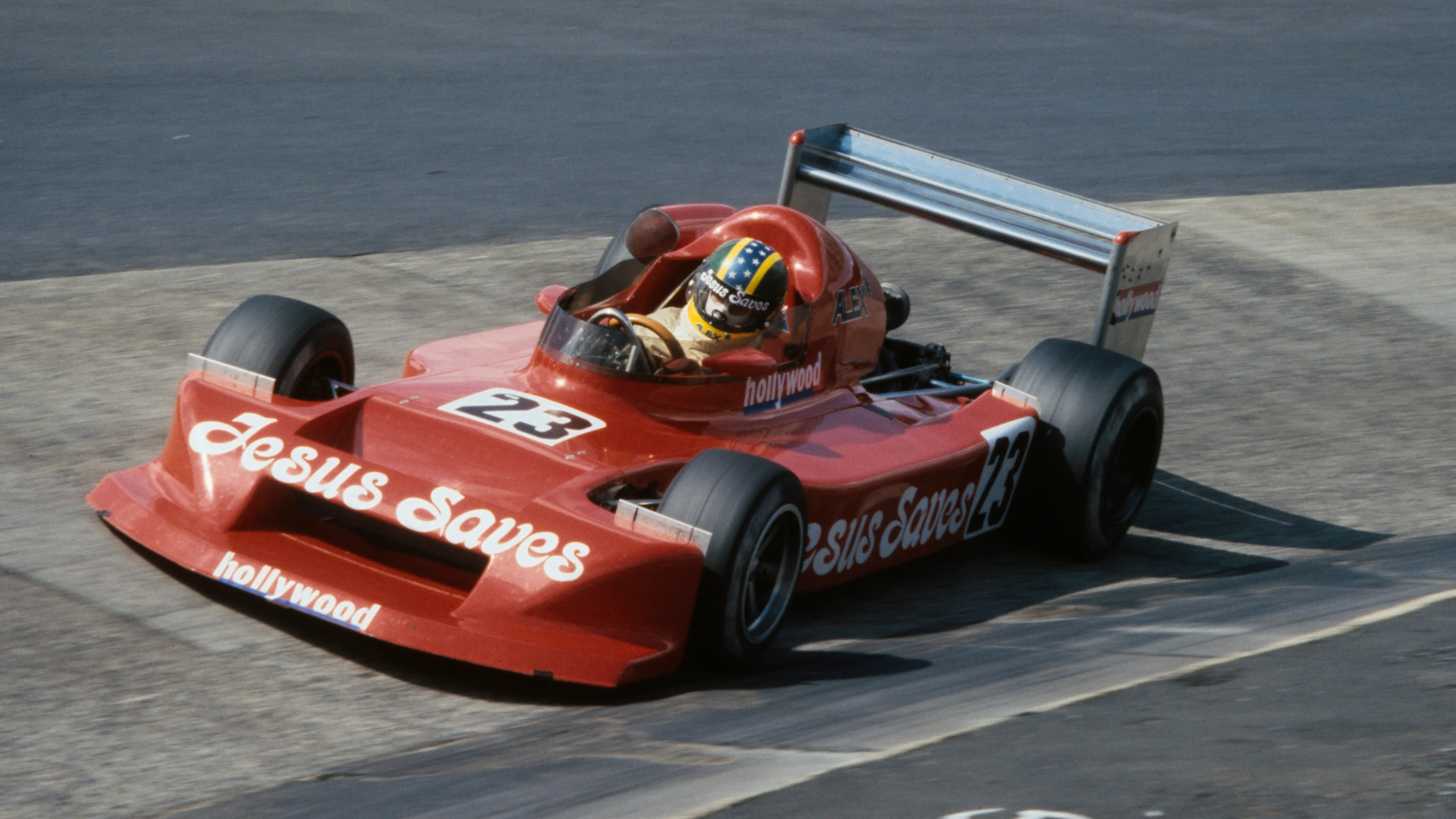
The Brazilian competed in F1 during the 1970s for Hesketh, March and Copersucar-Fittipaldi, but became just as recognisable for the enormous 'Jesus Saves' message carried on his F2 racing machinery. His Christian faith was an important part of his identity throughout his career and became an even bigger part of his life after leaving F1.
Ribeiro became heavily involved with the organisation Atletas de Cristo – Athletes of Christ – supporting sportspeople across Brazil and serving as its executive director. His work took him far beyond motorsport, with Ribeiro acting as a chaplain to Christian members of the Brazilian national football team across several World Cups, including the victorious 1994 campaign in the United States.
Remarkably, his second career even brought him back into the F1 paddock. Ribeiro later drove the sport's Medical Car while also carrying out chaplaincy work – meaning that even decades after his Grand Prix career ended, he found a very different way to continue helping athletes at the highest level.
Jaime Alguersuari – DJ and producer
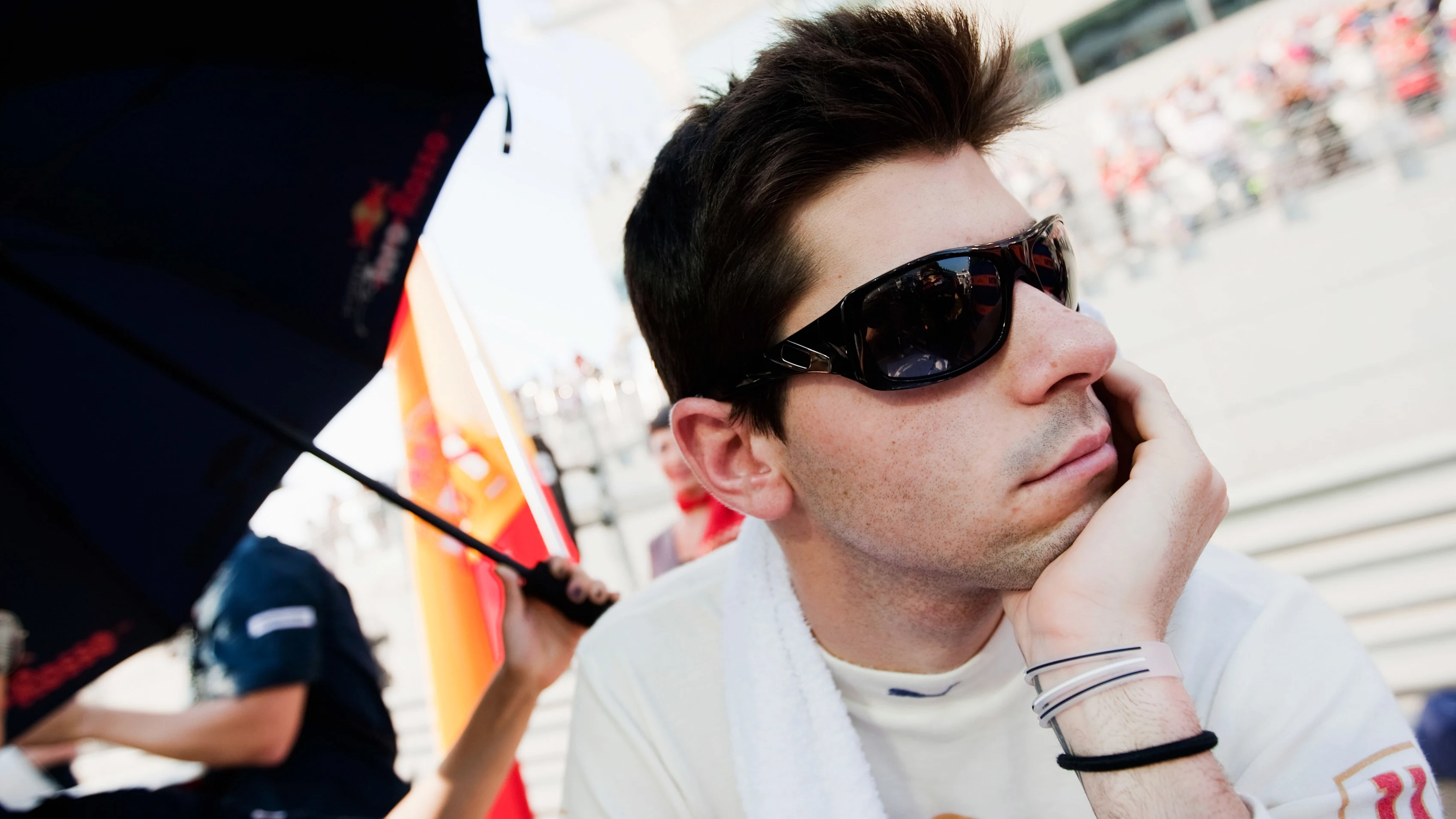
When Jaime Alguersuari made his F1 debut for Toro Rosso at the 2009 Hungarian Grand Prix, the 19-year-old became the youngest driver the sport had ever seen at that point.
But just a few years later, his life looked completely different. After losing his Toro Rosso seat at the end of 2011, Alguersuari continued competing in categories including Formula E and GT racing. However, his passion for motorsport gradually disappeared and, still only in his mid-20s, the Spaniard decided to walk away from racing entirely.
Fortunately, another passion had been developing alongside it. Alguersuari had been producing electronic music even during his F1 career and eventually turned his attention to it full-time under the name Squire, a nod to his second surname, Escudero. He has since released music and performed internationally as a DJ and producer.
Plenty of drivers have talked about needing to find a new rhythm after leaving Formula 1. Alguersuari took that rather more literally.
Jody Scheckter – Farmer
Jody Scheckter's F1 career ended with one of the ultimate achievements already secured. The South African won the 1979 World Championship with Ferrari before retiring from the sport after one final season with the Scuderia in 1980.
His first move away from racing was already somewhat unconventional. Scheckter built a successful firearms training technology business in the United States – but even that would eventually give way to another dramatic change of direction…farming.
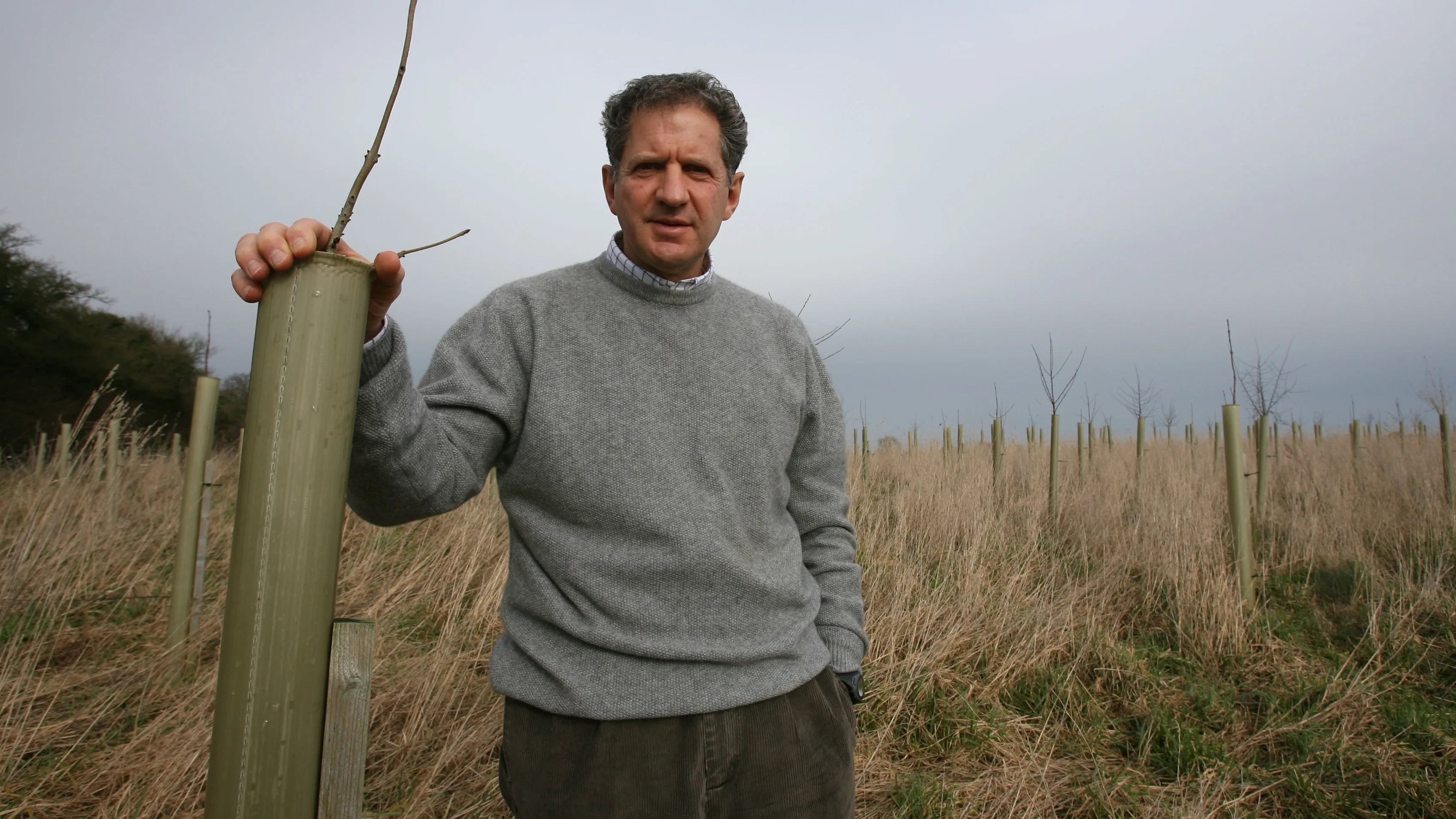
Scheckter established Laverstoke Park Farm in Hampshire, developing thousands of acres around natural and biodynamic farming principles. The operation became home to sheep, cattle and a particularly sizeable population of water buffalo, whose milk was used to make mozzarella. The farm also produced everything from meat and ice cream to sparkling wine.
Jacques Villeneuve – Singer-songwriter
Jacques Villeneuve achieved more than most racing drivers could dream of before turning 27. He won the Indianapolis 500 and CART title in 1995, arrived in Formula 1 the following year and became World Champion with Williams in just his second season.
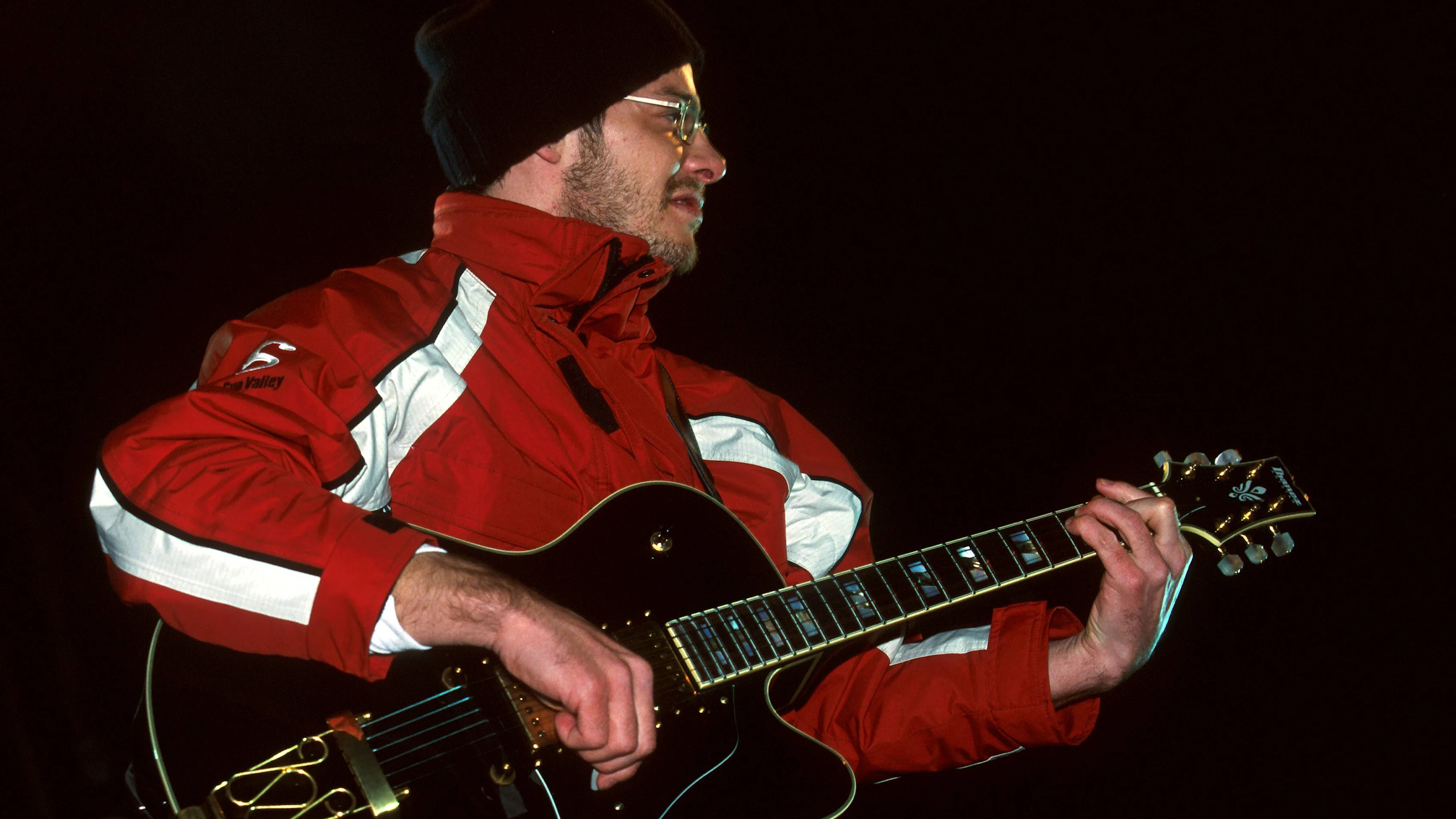
But Villeneuve had another creative interest bubbling away in the background. He had been writing lyrics and playing guitar for years, and after his final F1 appearance in 2006 he was finally able to give music rather more attention.
The result was Private Paradise, a 13-track acoustic album released in 2007 featuring songs in both French and English. Villeneuve wrote six of the tracks himself, including Father, which paid tribute to his late father and Ferrari legend Gilles Villeneuve.
It would be fair to say that Villeneuve's musical career never quite reached the heights of his racing one – Private Paradise did not exactly trouble the upper reaches of the charts. But how many F1 World Champions can say they followed up a title-winning racing career by releasing a bilingual acoustic-rock album?
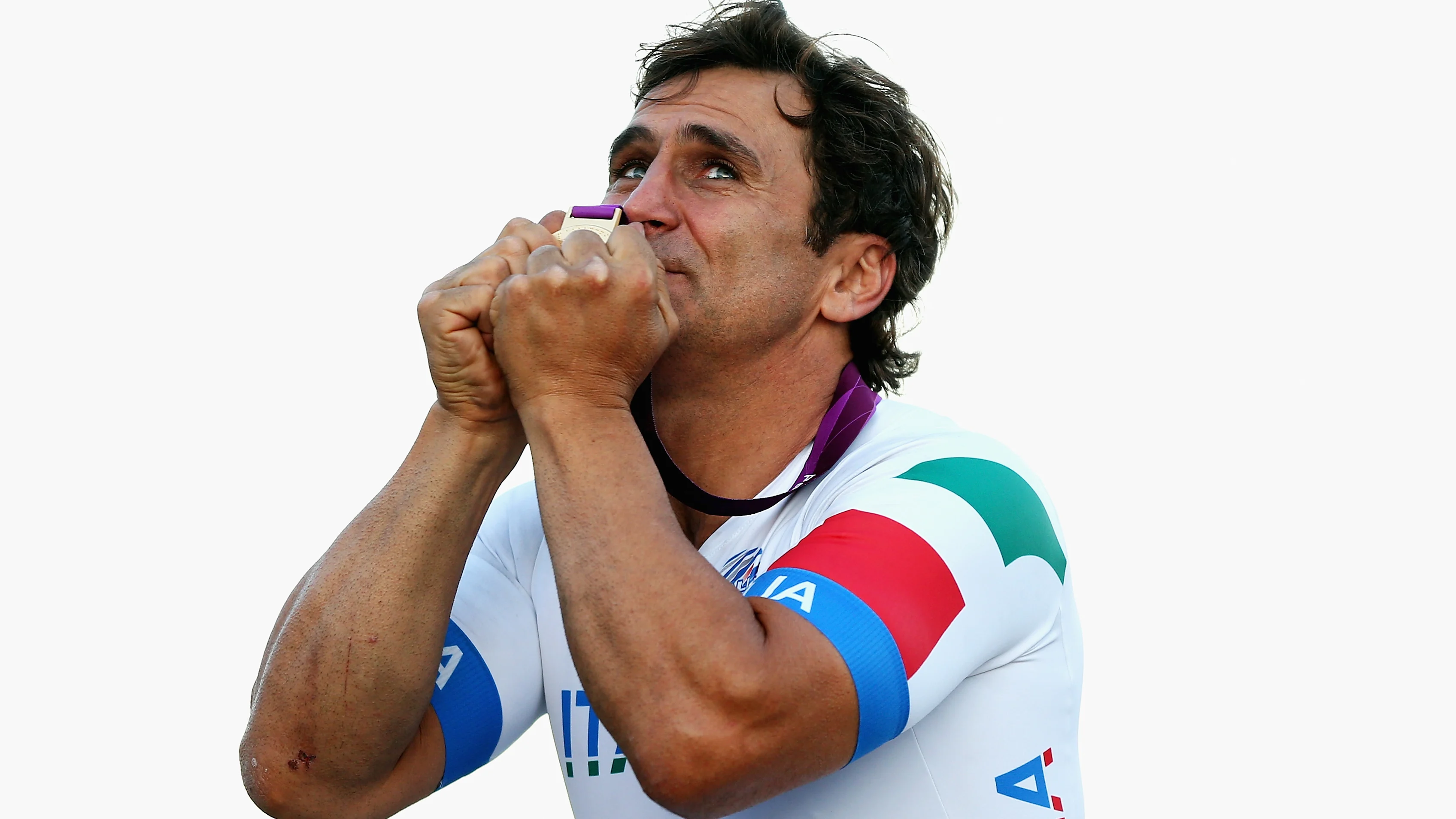
Alex Zanardi – Paralympic champion
Alex Zanardi's journey after Formula 1 is unlike any other on this list.
The Italian raced in F1 across the 1990s, but enjoyed his greatest success in America, becoming a two-time CART champion in 1997 and 1998. In 2001, during a CART race at the Lausitzring in Germany, Zanardi suffered a devastating accident which resulted in the loss of both of his legs.
Remarkably, his racing career did not end there. Zanardi returned to competitive motorsport with adapted controls before discovering handcycling – initially taking part in marathons before setting his sights on the Paralympic Games.
At London 2012 he won two individual gold medals at Brands Hatch, a circuit where he had raced more than two decades earlier, along with silver in the team relay. Four years later in Rio, he added another two golds and a silver to take his career Paralympic tally to six medals.
Zanardi, who passed away in May 2026 at the age of 59, became one of the most decorated Para cyclists of his generation.
Stefan Johansson – Artist
Stefan Johansson's racing career took him almost everywhere. The Swede drove for Ferrari and McLaren in Formula 1, competed in IndyCar and eventually won the 24 Hours of Le Mans in 1997.
But alongside all that racing, Johansson had quietly begun developing a very different skill.
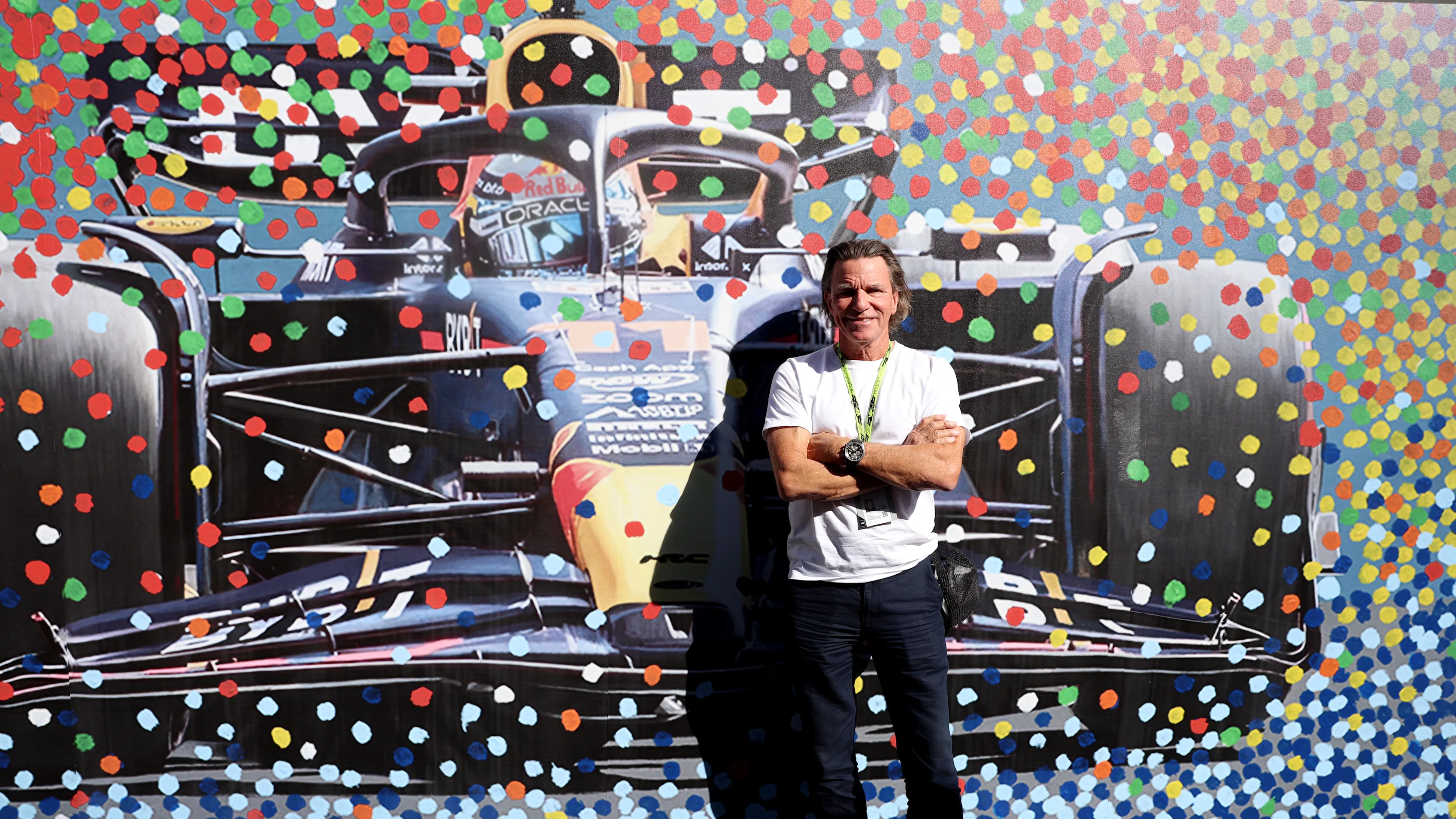
He started painting in 1986 after the death of his close friend and fellow F1 driver Elio de Angelis and has since explained that painting helped him process the experience.
After stepping back from driving, Johansson channelled more of his energy into art and design. His work has often drawn directly from racing – including abstract pieces designed to capture the sensation of speed, paintings of moments from his own career and even an art car based around a Porsche fitted with an F1-derived TAG turbo engine.
Innes Ireland – Commercial fisherman
Innes Ireland was never likely to choose a particularly conventional retirement.
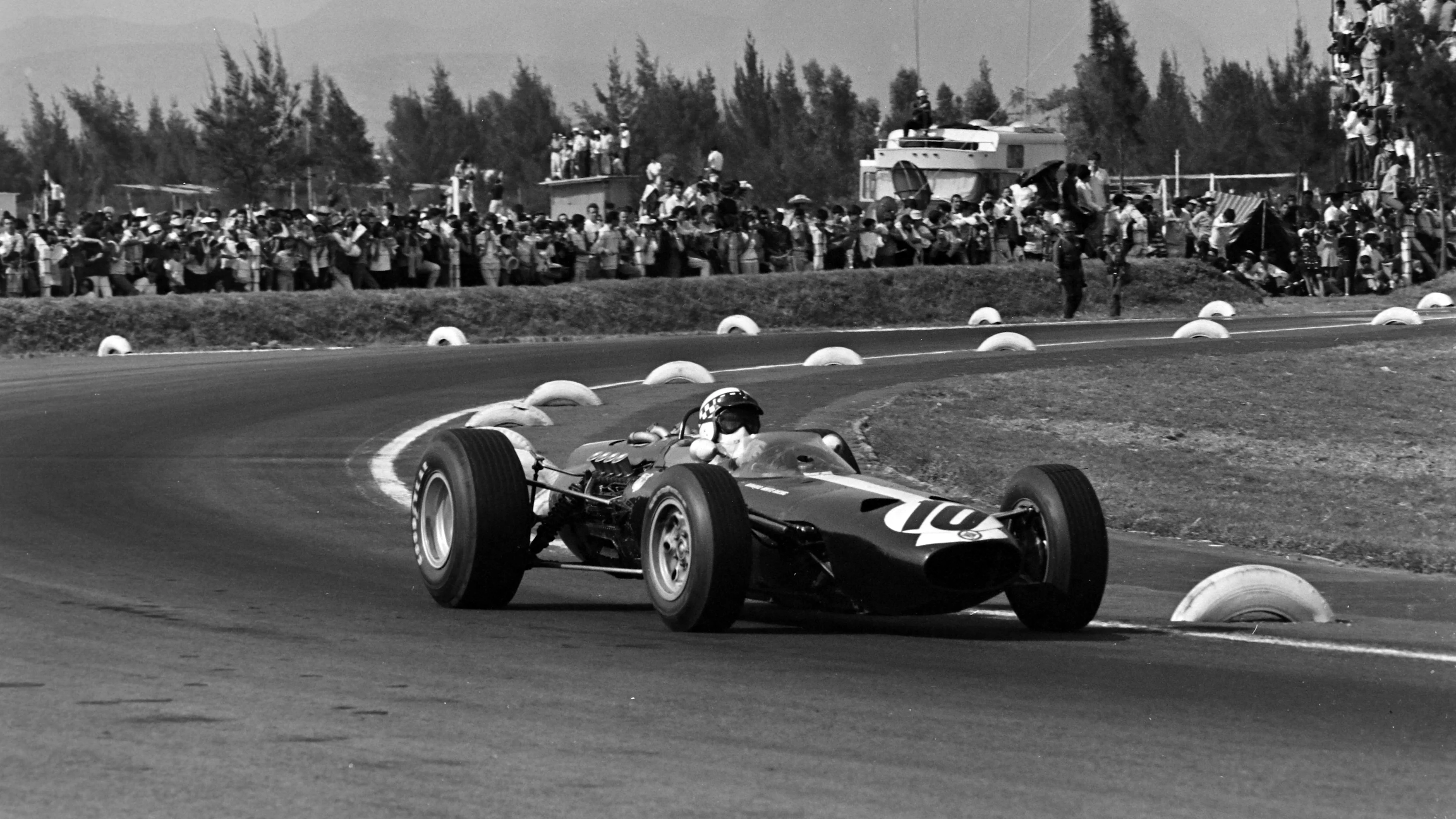
As a former paratrooper and engineer before reaching Formula 1, Ireland became one of the sport's great characters during the late 1950s and 1960s. He also earned a significant place in Lotus history when he won the 1961 United States Grand Prix at Watkins Glen International – the team's first World Championship Grand Prix victory.
After his racing career wound down, Ireland returned to Scotland and swapped racing cars for fishing boats. Based around Kirkcudbright, he operated trawlers and went out to sea himself, with local records showing that he bought and refitted an ageing Norwegian trawler called Vetrung as well as another Norwegian vessel which he converted for lobster fishing.
But despite the dramatic change of machinery, some old habits apparently remained. When a well-known motorsport magazine visited Ireland in the 1970s, he arrived back from a fishing expedition and proceeded to spin his boat twice in the narrow harbour as the journalists watched from shore.
Different vehicle, same Innes Ireland.
Honorary mention: Nigel Mansell – Member of the Magic Circle
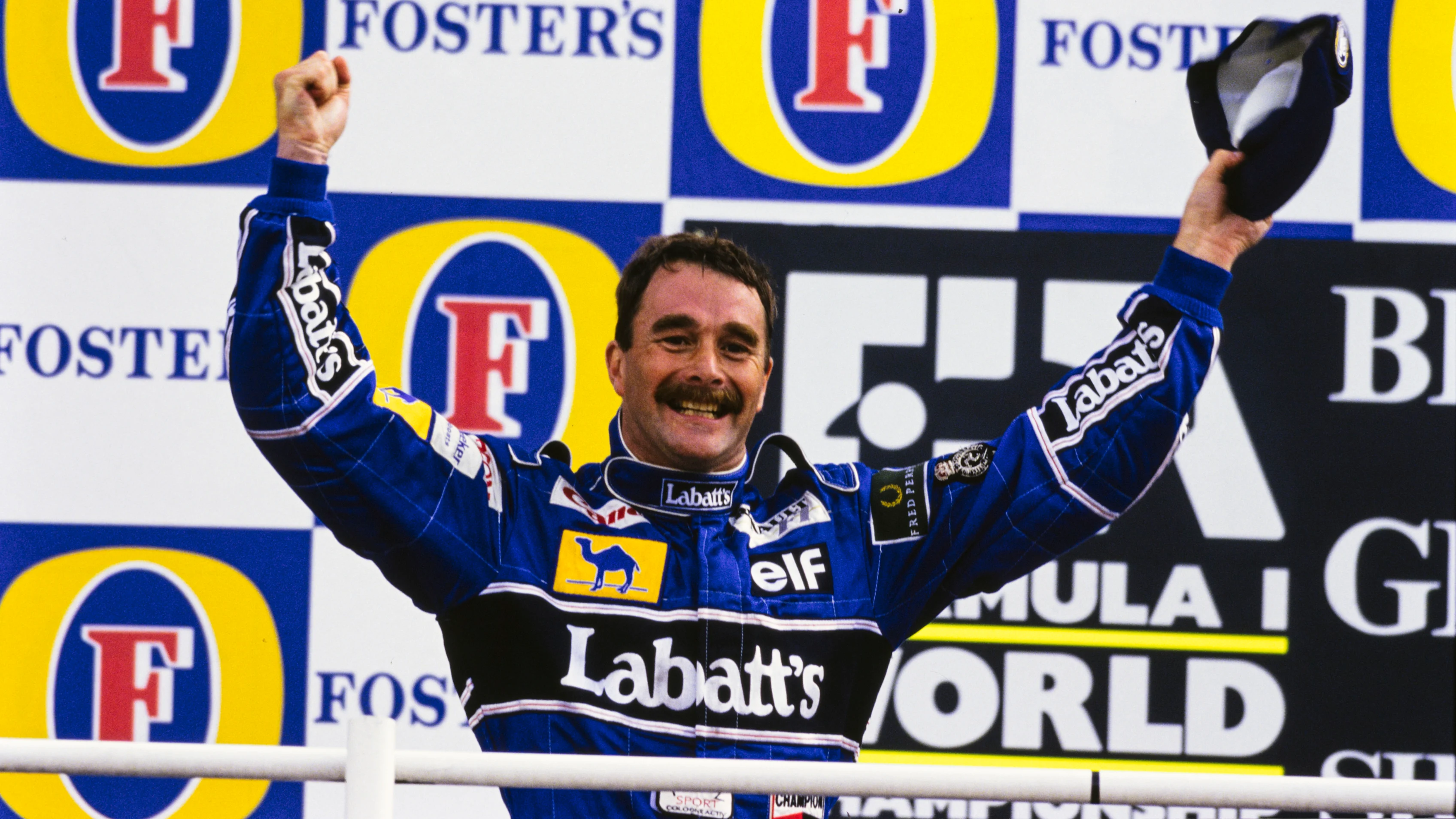
Nigel Mansell might not have turned magic into a second career, but the 1992 World Champion did take the hobby seriously enough to become a member of The Magic Circle – one of the world’s most prestigious societies for magicians.
Mansell took up magic later in life and has spoken about how learning tricks helped challenge and retrain his brain, eventually earning his place in the famous society after demonstrating his skills.
Not quite a career change – but becoming a bona fide member of The Magic Circle is a pretty impressive retirement hobby.
Next Up
Related Articles
 BettingOur early Bet Builder for the Singapore Grand Prix
 Why Aston Martin expect another strong weekend in Singapore
 BettingSingapore Grand Prix betting guide and latest odds
 BettingWhat could turn the race on its head in Singapore?
 BettingBest value early Singapore Grand Prix bets
 When is the earliest Antonelli could win the title?