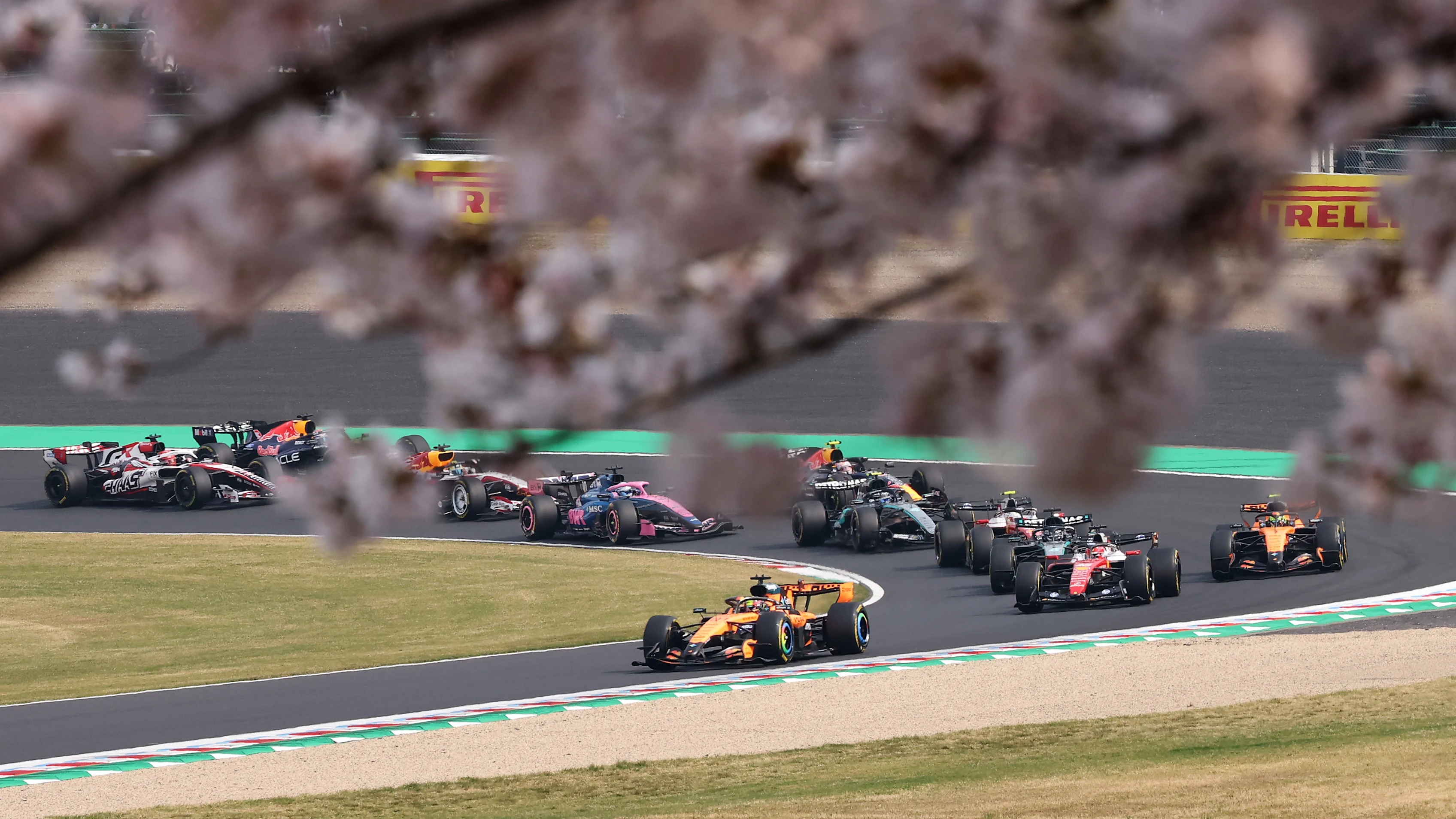
The Japanese Grand Prix has been a standout race on the Formula 1 calendar for decades and is an event that's loved and respected by drivers and fans.
First held at the Fuji Speedway in 1976, Suzuka began race-hosting honours in 1987, and the circuit has produced plenty of F1 folklore over the years since – from clashes between legends to the crowning of champions.
Let's take a look at just some of the reasons Suzuka is sensational.
A revered circuit
Suzuka holds a particular place in the hearts and minds of F1 drivers. Fernando Alonso has previously said “Suzuka is one of the best circuits in the world”, while Esteban Ocon also gave a glowing review that nicely sums up the general attitude: “To drive, it is just pure pleasure.”
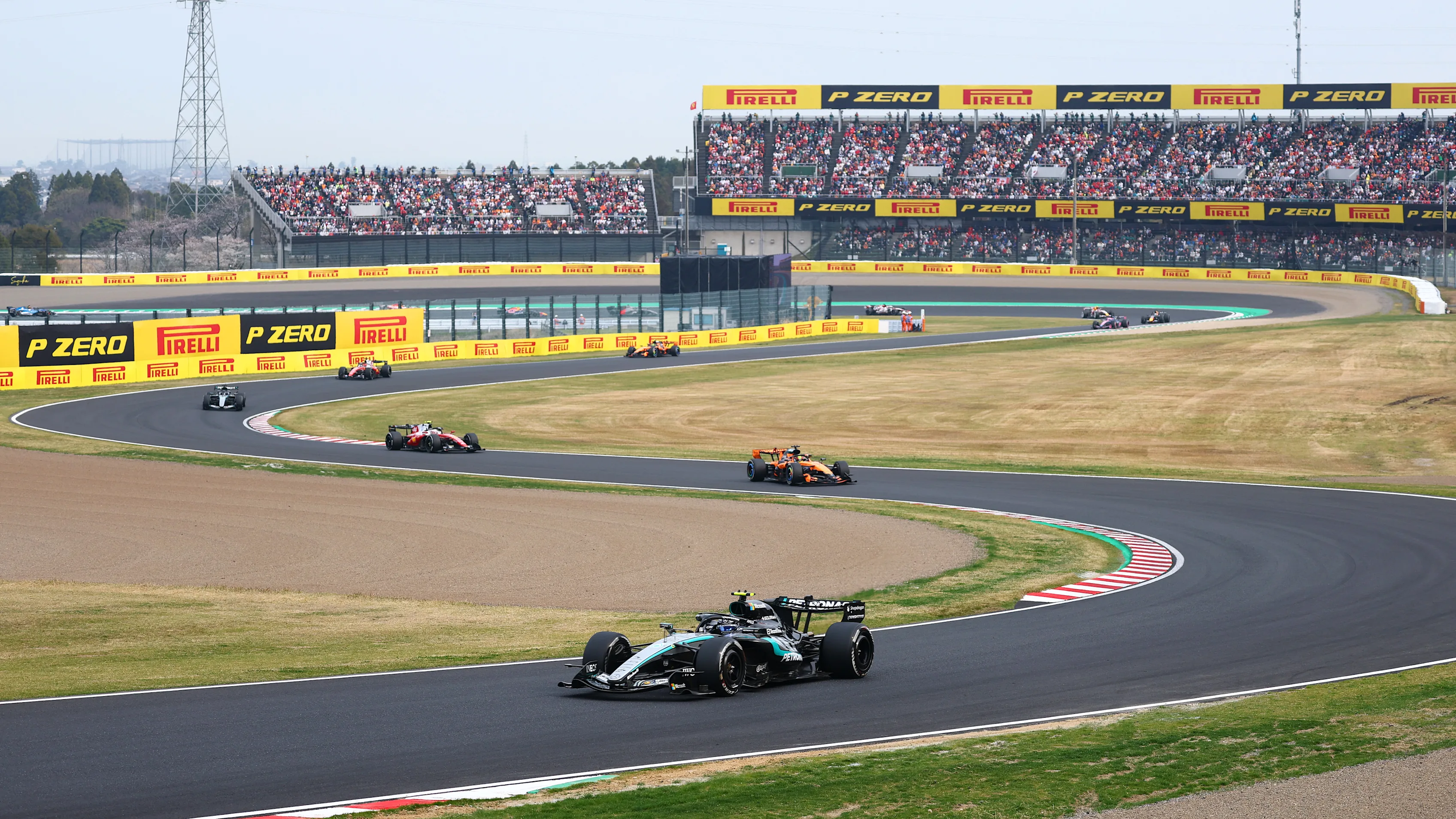
Its distinctive layout enthrals – Suzuka is an old-school test of fast, flowing and unforgiving sectors. The S Curves characterise Sector 1, while the Degner corners have caught many drivers out. The hairpin at Turn 11 needs to be taken with care too, before the tricky double left-hander Spoon precedes the famous white-knuckle ride that is 130R.
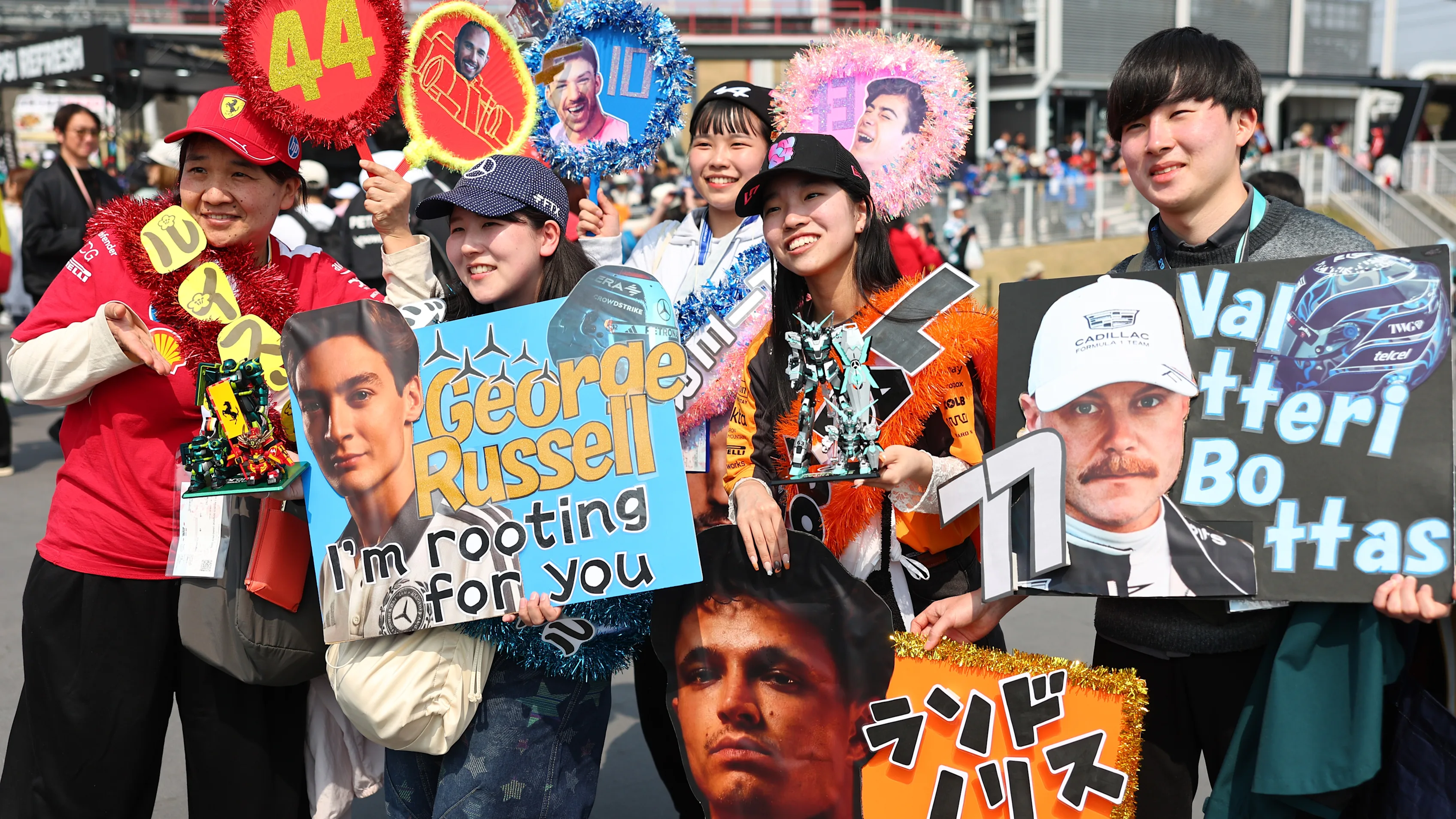
The track has witnessed an almost unfair share of legendary F1 moments, and its unique atmosphere only adds to the experience. Drivers have regularly spoken of the Japanese fans' passion, which makes Suzuka a race weekend that everyone looks forward to.
When is the next Japanese Grand Prix?
Formula 1 returns to Japan on 9-11 April 2027, as Suzuka gets set to host it's first Sprint next season. Click here for ticket information.
What happened at the last Japanese Grand Prix?
Kimi Antonelli sealed victory at the 2026 Japanese Grand Prix over Oscar Piastri and Charles Leclerc after a commanding drive, becoming the youngest-ever championship leader and claiming his second consecutive win.
Check out the RACE HUB to catch up on news, reports and highlights from every session.
Why we love the Suzuka Circuit
Originally a test track for Honda, Suzuka has become the heart of Japanese motorsport, and the circuit has witnessed iconic moments and climactic championship showdowns.
It is the only figure-eight layout on the F1 calendar, with the circuit crossing over itself via an overpass. Drivers are often right on the limit throughout the lap, creating exciting racing – plus the weather can be unpredictable for strategists.
Fans attending Suzuka have built a reputation for creative outfits and homemade banners that showcase their immense respect and support for all the drivers, making a truly unforgettable atmosphere.
The weekend schedule is full of action and there's plenty to look forward to every day, with F1 Free Practice, Qualifying and the Grand Prix all supported by other categories. That means even more opportunities to see cars on track.
There’s fantastic live entertainment, enthusiastic support and a superb atmosphere.
During the day there's the stacked F1 Fanzone too, with activities, entertainment, and the chance to see F1 drivers and team representatives live on stage.
Japan has produced some of the most legendary moments in the sport, and with a circuit as challenging as it is fast, Suzuka always promises drama.
Memorable moments in Suzuka
Suzuka has served up some unforgettable moments throughout the years since first hosting an F1 weekend in 1987.
We couldn’t possibly list them all, but here’s a selection to whet your appetite for more…
1988 – Ayrton Senna arrived in Japan needing a win for his first title. He bounced back from stalling on the grid and danced through the rain to take victory and beat team mate Alain Prost to the Championship.
1989 – Senna and Prost had another title decider, with Senna starting from pole but Prost taking the lead into Turn 1. The pair infamously collided at the chicane on Lap 46, retiring Prost immediately while Senna continued after help from the marshals to take the win. However, the Brazilian was disqualified for cutting the chicane, and Prost was crowned champion.
1990 – For an incredible third year in a row, Senna and Prost, now at Ferrari, faced off for the title. It was over much quicker than the year before, however, with the Brazilian launching down the inside at Turn 1, colliding with Prost and eliminating them both. The title was Senna’s – but it provided plenty of talking points!
1994 – The rain-hit race saw a titanic fight between Michael Schumacher and Damon Hill – with the Briton’s one-stop strategy getting the better of the Ferrari man to give Hill the win and set up a title decider.
2000 – Having lost out to Mika Hakkinen two years prior, Schumacher was determined to claim Ferrari's first Drivers’ Championship in 21 years. The German did exactly that, managing tricky conditions to claim victory and his third title.
2005 – McLaren and Kimi Raikkonen were caught out in wet Qualifying, leaving them down in P17, but the Finn overtook six cars on Lap 1, before sweeping past Giancarlo Fisichella on the final lap to complete a comeback win for the ages.
2012 – Home hero Kamui Kobayashi had the fans in raptures as he fought off Jenson Button in his Sauber to give Japan their first home podium in 22 years.
2025 – Kimi Antonelli became the youngest driver in F1 history to lead a race and to set a fastest lap.
How can I watch the Japanese Grand Prix?
Nothing beats being there! Head to F1 Tickets to secure your place and catch all the action in person. F1 Experiences has a great range of premium ticket packages too, getting you closer to Formula 1 than ever before.
For details of the broadcaster in your area, click here.
You can also watch the drama unfold via F1 TV Pro (in selected countries only).
Next Up
Related Articles
 Vesti on the unusual way he became a Mercedes Junior driver
 UnlockedWhy Red Bull and Audi’s floor stay trick is banned for 2027
.webp) Fornaroli set for McLaren FP1 runs after latest F1 test
Fornaroli set for McLaren FP1 runs after latest F1 test What is the weather forecast for the United States Grand Prix?
 Ferrari's Larsen to return for 2027 F1 ACADEMY campaign
 How the pecking order has changed since the season opener