Why Monaco was another reality check for troubled McLaren
Monaco was not a weekend to savour for McLaren, despite celebrating their 1000th Grand Prix in the Principality.
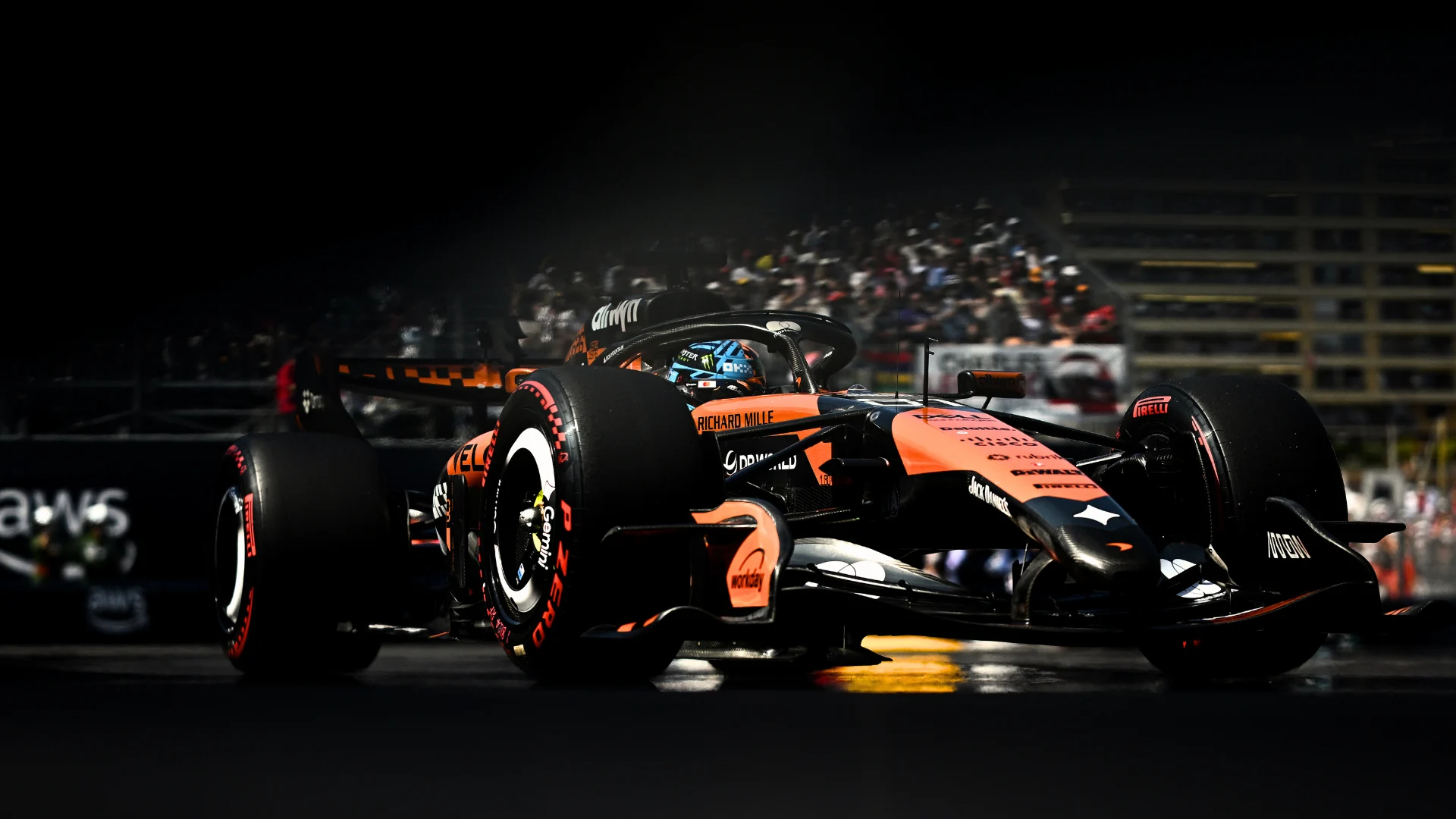
Pole and victory for Lando Norris in the Miami Sprint last month appeared to suggest that McLaren were starting to regain the sort of momentum that it enjoyed in 2024 and 2025.
However, two difficult weekends in Canada and Monaco have provided what Team Principal Andrea Stella bluntly describes as a reality check.
The MCL40 did at least show some respectable pace in Montreal. The team feared that the car would not be suited to Monaco, and that proved to be the case as Oscar Piastri and Norris could not better seventh and eighth in Qualifying, the latter having lost priceless track time in FP2 to a power unit issue.
Piastri eventually finished McLaren’s 1000th Grand Prix in P4 after surviving a race of attrition and penalties, while for Norris there was an early retirement with another PU issue.
After a frustrating afternoon, Stella made it clear that there is a lot of work to be done.
“There's certainly an important reality check that comes from Canada and Monaco,” he said. “And the reality check is first of all looking at the facts, we have not been fast enough, especially in terms of race pace in both Canada and here.
“And we have not been reliable enough, and when we look at reliability, we have had issues pretty much in all areas of the car. It's not like it's a specific area. Today was power unit, we have had other issues with power unit. I would say this has probably been the most important area for reliability, but for Lando in Canada, it was the gearbox.”

Those are two fundamental weaknesses for any team to have to address in the middle of a hectic season, with the races now coming at a relentless pace.
“There's a performance assessment and there is a reliability assessment that we are doing, looking at Canada and looking at Monaco,” Stella noted. “We understand these reliability issues in isolation; we can fix them.
“But obviously, when you have so many issues, it may be symptomatic of the fact that the project is still relatively young. And like I've said before, like never before, we felt that being a customer team has put us on the back foot.”
Stella highlighted earlier in the year that the works Mercedes team was a step ahead in understanding how to fully exploit the new generation power unit, thanks to its close relationship with the sister HPP division.
He suggests that there are also reliability consequences in terms of knowledge of how the PU is operated within the chassis.
“I want to be clear here to avoid any misunderstanding, it's not because you are a lower priority for HPP,” he said. “It's because you have less opportunities to integrate, to stay on the same timeline when it comes to addressing reliability problems or exploitation of the power unit from a performance point of view, combining the efforts when you use the facilities, and you have some experiments on the chassis side that you can add to a long run of the power unit when you are a works team.”
Stella stresses that while the team has good channels of communication with HPP in Brixworth, they are not at the optimum level for what is now required.
“I just want to be totally fair to our power unit supplier, with whom we have fantastic relationship, very successful, and still the relationship is great,” he said.
“A great relationship allows us to review item-by-item, learn from each item, and solve it technically. But when you don't know what's coming, it's not sufficient to simply address item-by-item. You need to review ultimately the depth and the intensity and the effectiveness of the various meetings, engagement, sharing of information processes.
“So the review that is ongoing is, in a way, punctual in terms of each item-by-item. But it is also a wider review in terms of what do we have to enhance? Because in 2026 there's so much novelty, there's so many new things and we kind of have to operate at a new level of collaboration compared to what we were doing before.
“These conversations have already started for some months now, but like everything in F1, there's always a lead time. It's not like you see the effect in the day after – you instigate.”
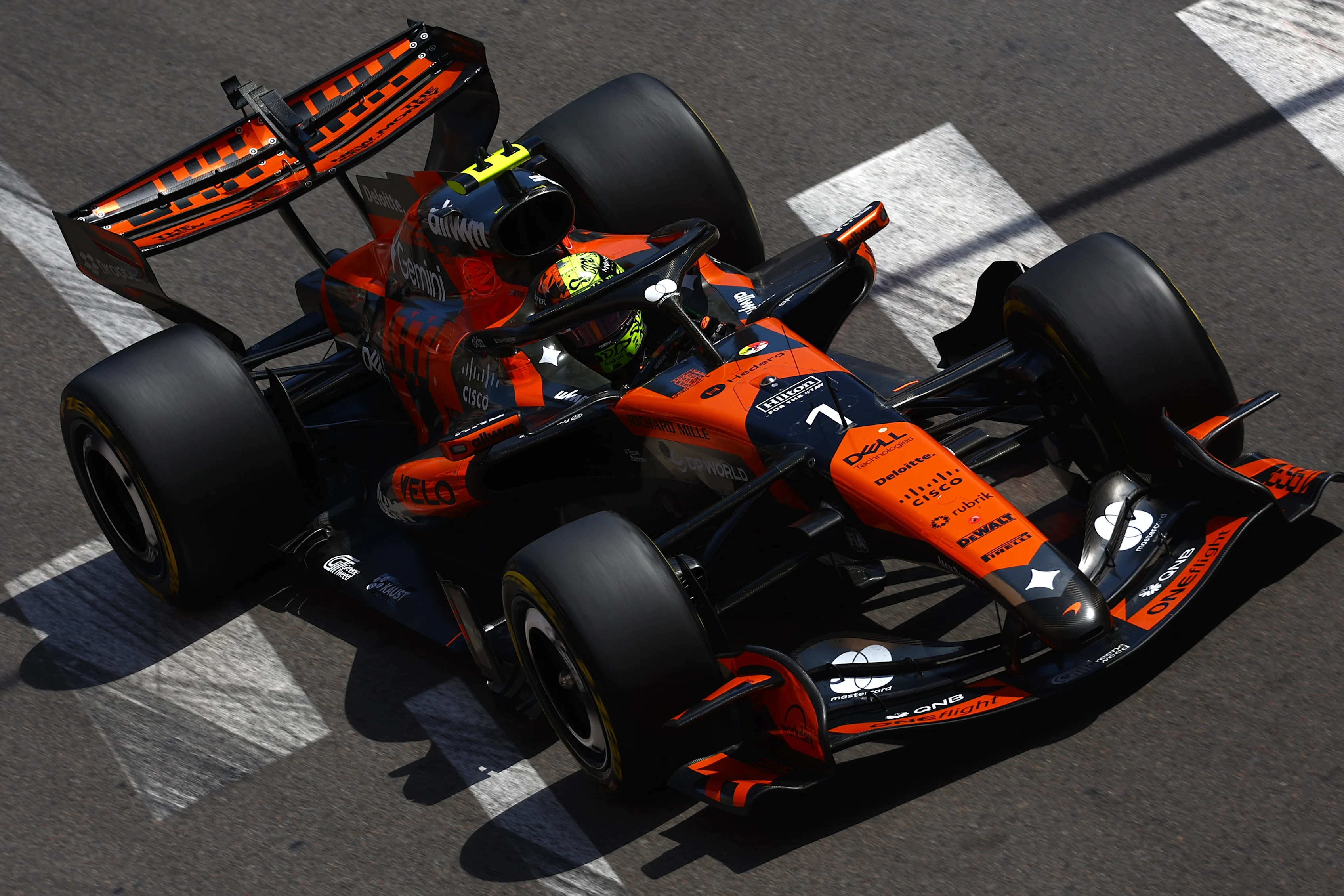
Improving the chassis is another story, and one that the team has full responsibility for. The quest for more downforce is relentless, while Stella has also acknowledged that a design philosophy of protecting the tyres can be costly at tracks where it’s hard to put energy into them.
“From a performance point of view it's very clear that we don't have enough grip, mainly because we don't have enough aerodynamic load,” he noted. “And it's also clear that we are not getting the tyres to operate in the window in which they perform at the best – especially in circuits like here and Canada, where the tarmac is extremely smooth, and the tyres operate in a particular regime.
“And this year the tyres are relatively stiff, and they need the temperature to operate well. So there's a long list, performance and reliability.”
Despite the recent setbacks Stella retains his trademark optimistic outlook: “We remain obviously with the mindset that this could be another 2024 in terms of catching up at the end.
“But in 2024 our trajectory from a reliability and performance was more convincing. So if we want to stay in the championship, we need to have a turnaround.”
.webp)
Next Up
Related Articles
 6 times drivers improvised after losing radio during a race
 UnlockedHINCHCLIFFE: Why Lawson deserves to keep his seat at Racing Bulls
 Haas reveal striking Godzilla-themed livery for Austin
 Aston Martin reveal special livery for United States Grand Prix
 The F1 Fantasy Strategist on the US, Mexico and Brazil
 How F1 drivers and strategists tackle the Circuit of The Americas