How often have the reigning Teams’ Champions kept their crown after a regulations change?
As the dawn of the new campaign draws ever closer, we take a look at how the reigning champs from F1 history fared under new regs – and if they were displaced, where did their successors come from?
Reigning Constructors’ Champions McLaren are chasing a hat-trick of successive titles in 2026 – but if they are to achieve the feat then they must maintain their advantage across some of the biggest rule changes in Formula 1 history.
As the dawn of the new campaign draws ever closer, we take a look at how the reigning champs from F1 history fared under new regs – and if they were displaced, where did their successors come from?
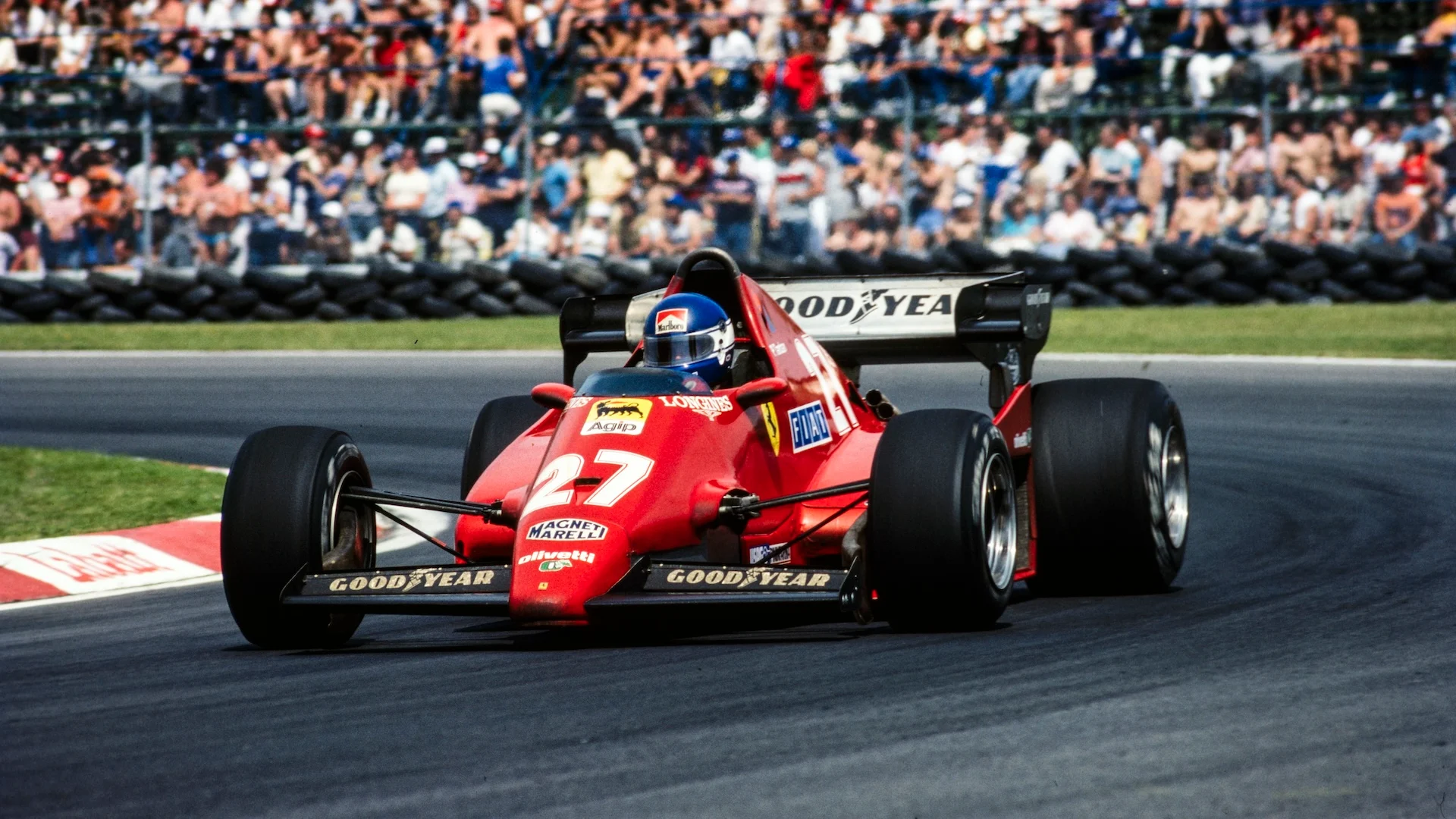
1960/61 – Cooper slip back as Ferrari forge ahead
Cooper claimed what was then the International Cup for Manufacturers’ in 1960, but from 1961 Formula 1 underwent several changes, most notably the reduction of engine capacity from 2.5 litres to 1.5 litres. A minimum car weight was also introduced.
It was Ferrari, third in the previous campaign, that ruled the roost, surging to the front of the pack with its famous ‘Sharknose’ 156 and an evolution of their F2-spec 1.5 litre V6 engine.
Cooper, meanwhile, slipped down to fourth, as the previously dominant British teams struggled for outright performance.
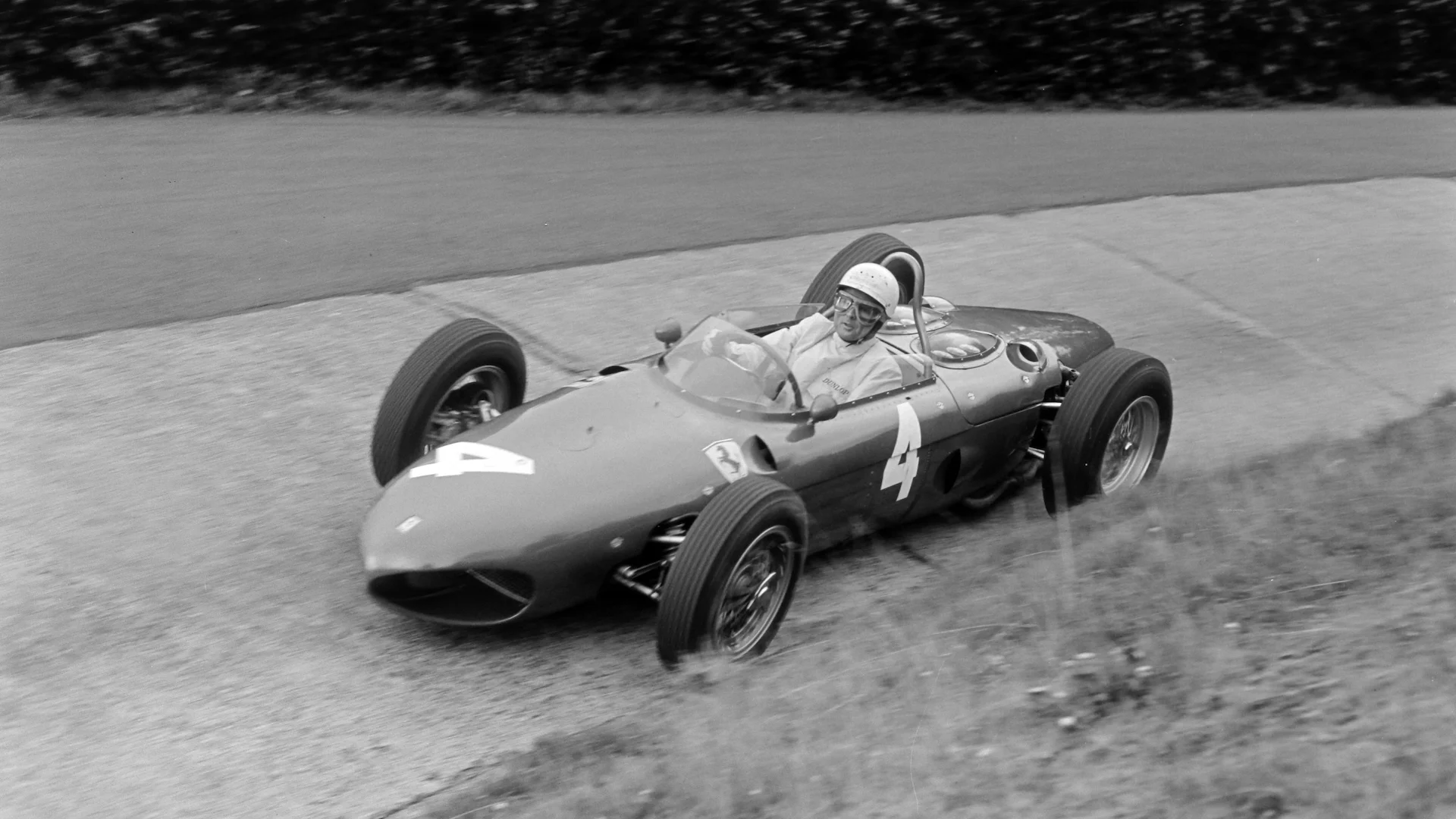
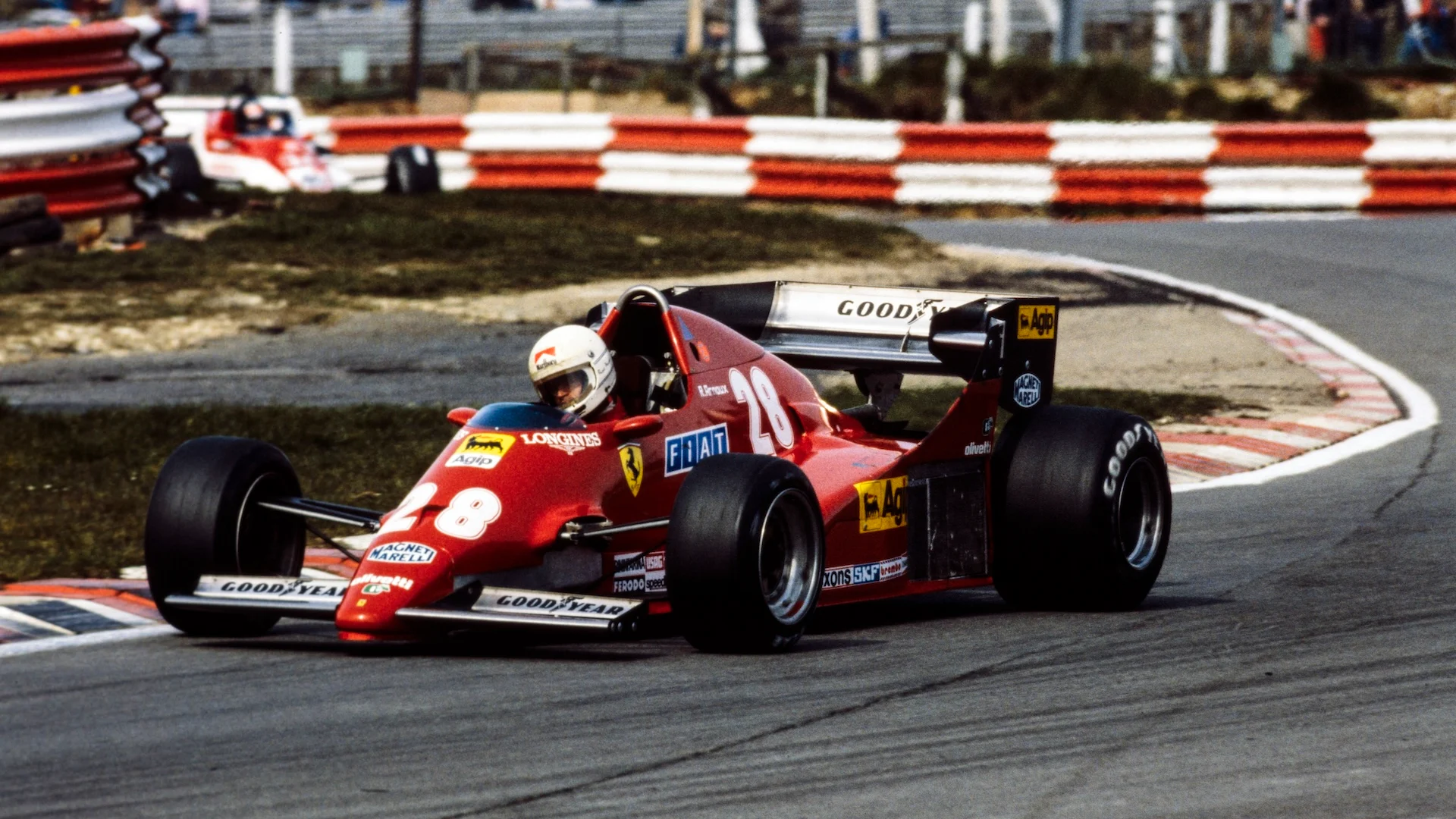
1982/83 – Ferrari keep the crown after ground effect ban
From 1983 Formula 1 outlawed ground effect cars, switching to machines with flat bottoms, amid concerns over rising cornering speeds.
In 1982 it was Ferrari who claimed the teams’ title, albeit in tragic circumstances, following the death during Qualifying at the Belgian Grand Prix of the charismatic Gilles Villeneuve, before Didier Pironi suffered a career-ending injury during practice for the German Grand Prix.
But Ferrari remained a front-running contender under the new rules in 1983 and retained their crown, thanks to the consistency of Rene Arnoux and Patrick Tambay, while Brabham and Renault put up a fight largely through the performances of lead drivers Nelson Piquet and Alain Prost respectively.
1988/89 – McLaren march on after turbo ban
McLaren crushed their rivals in 1988 with the supreme MP4/4 which was powered by Honda’s all-new turbo engine. Together the combination proved devastating, and the team were denied victory just once in a 16-race season.
But for 1989 turbo engines were outlawed and instead Honda had to produce a 3.5-litre naturally aspirated V10 engine.
It didn’t trip up the reigning champions. McLaren still comfortably claimed both world titles in 1989, with most of the focus resting on the deteriorating relationship between drivers Ayrton Senna and Alain Prost as opposed to any regulation changes.
1993/94 – Williams and Benetton share the spoils
Formula 1 prohibited a raft of driver aids from 1994 – including traction control and anti-lock braking – and welcomed in-race refuelling, comprehensively altering the dynamic of Grand Prix competition.
Despite the changes, Williams nonetheless retained its teams’ title, albeit in a season that was laced with tragedy and tumult, following the shock death of new signing Ayrton Senna at the San Marino Grand Prix.
Benetton led the way early on, aided by a string of wins for Michael Schumacher, but through a controversial campaign Williams rallied, and while Damon Hill was beaten to the Drivers’ title by his German rival, the returning Nigel Mansell’s victory at Adelaide clinched the Constructors’ crown once again for Williams.
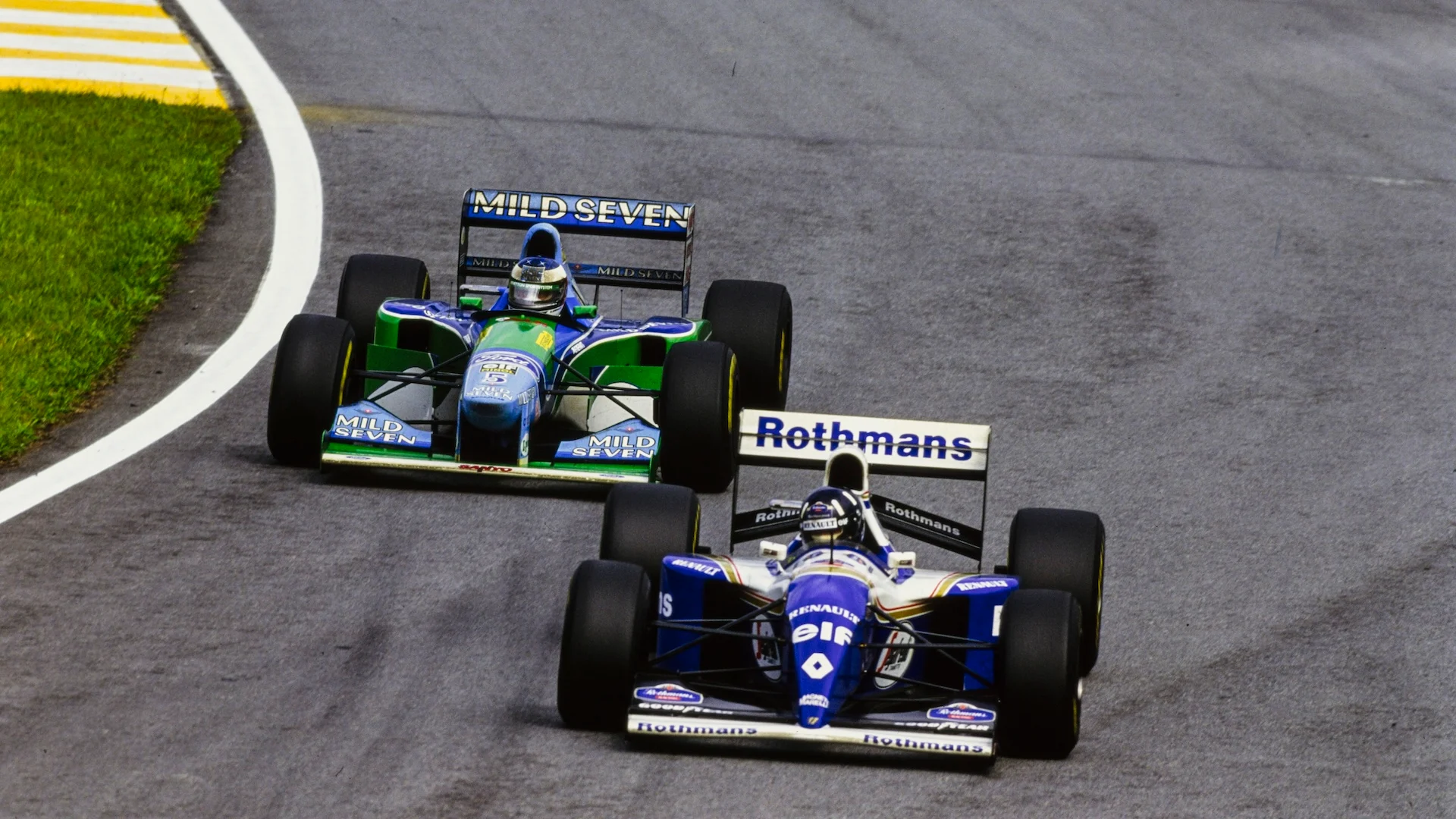
1997/98 – McLaren make hay as Williams wobble
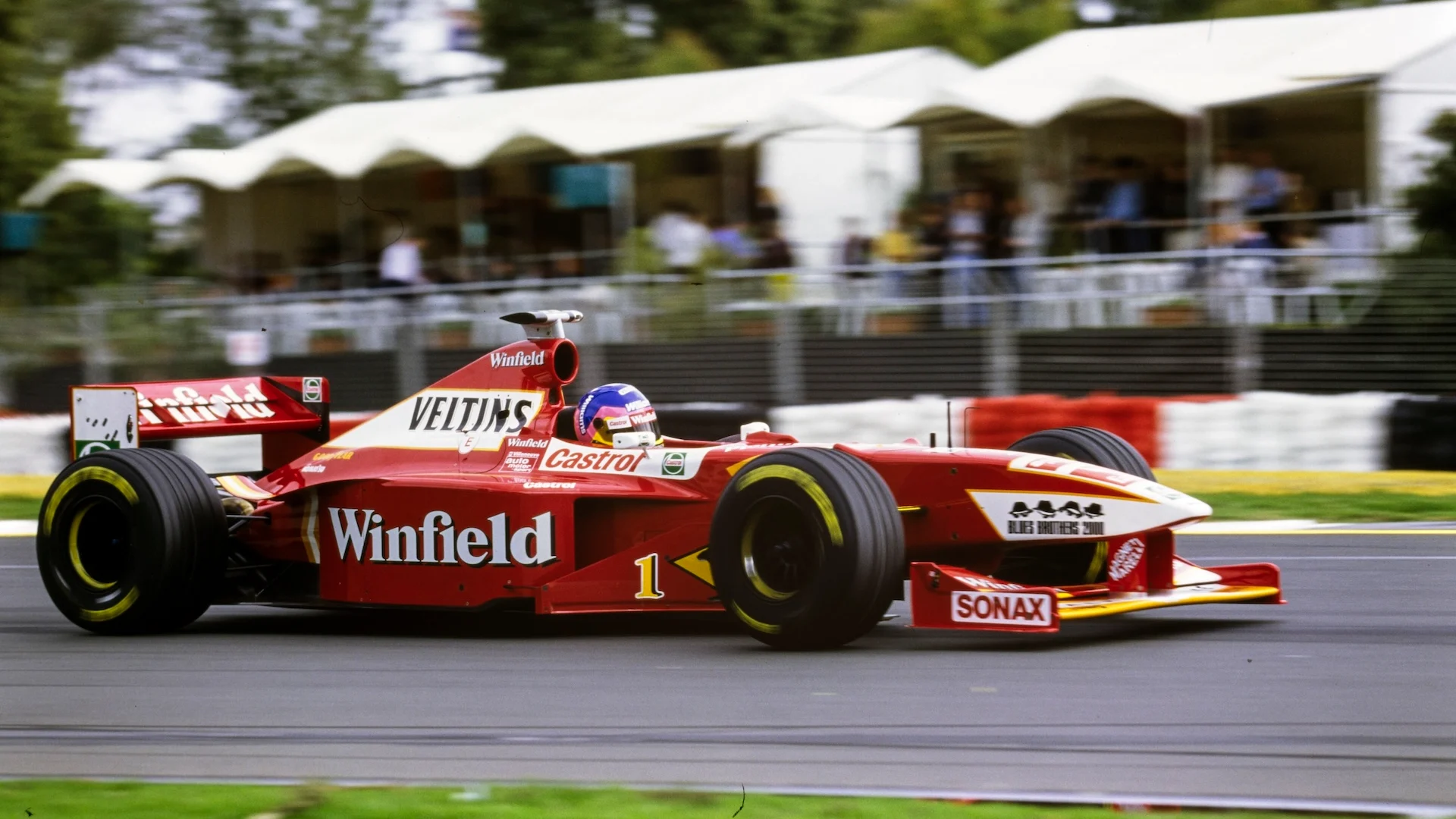
Williams remained at the top of the pecking order in 1997, but a swathe of new rules for 1998 shifted the dynamic.
Among the major changes were cars that were narrower, and the introduction of grooved tyres. And the once dominant Williams struggled.
The team had to regroup after the exit of Adrian Newey and the departure of engine partner Renault, and endured their first winless campaign in a decade as they slipped to a distant third in the final reckoning.
Newey instead worked his magic at new employers McLaren – who had been an improving fourth the previous campaign – as the Woking team surged back into contention and beat Ferrari to top honours. Williams haven't won a title since.
2008/09 – Ferrari falter as Brawn sweep to victory
A tight constructors’ title race in 2008 was settled in Ferrari’s favour, despite Lewis Hamilton’s dramatic drivers’ triumph with McLaren, before a winter period in which teams had to grapple with significantly revised aero regulations.
There was also the return of slick tyres, and the introduction of the Kinetic Energy Recovery System (KERS), which only a few teams opted to run.
Ferrari was one of several 2008 front-runners to stumble early on in the year as Brawn Grand Prix stole a march on the field. Their aerodynamically tidy BGP001, complete with controversial double diffuser, was a class apart early on as the team rose from the ashes of Honda, which had finished only ninth in 2008 before the manufacturer opted to quit.
Brawn’s early advantage was whittled away but they persevered and clinched both titles – with Jenson Button bagging the drivers’ crown – while Ferrari improved after a wayward start but managed just one win and fourth in the standings.
2013/14 – Mercedes halt Red Bull’s run
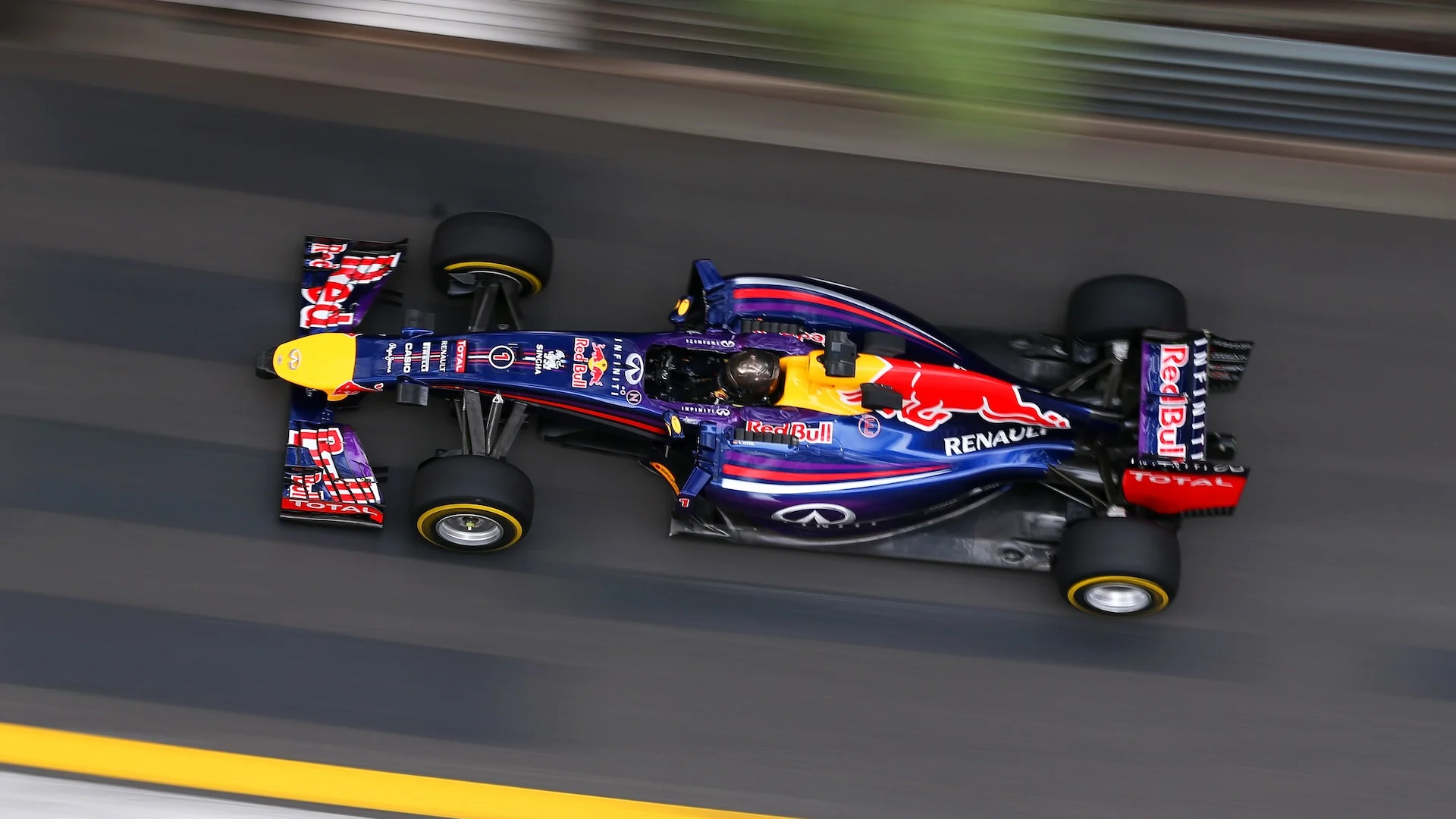
Red Bull’s run of titles during the closing years of the V8 era was wrapped up in style, as Sebastian Vettel closed out the 2013 season with a then record nine straight wins.
But under new V6 turbo hybrid regulations in 2014, rivals Mercedes stole a sizeable march and vaulted to the front of the pecking order.
Red Bull recovered from a languid pre-season period, which was hampered by underperformance and unreliability, to emerge firmly in the pack behind Mercedes, though remained hamstrung by the deficit of their Renault power unit.
They profited on the three occasions when Mercedes faltered – triumphing courtesy of the standout Daniel Ricciardo – to salvage second place in the standings. Mercedes, though, chalked up their first constructors’ crown in commanding fashion.
2016/17 – Mercedes maintain the advantage
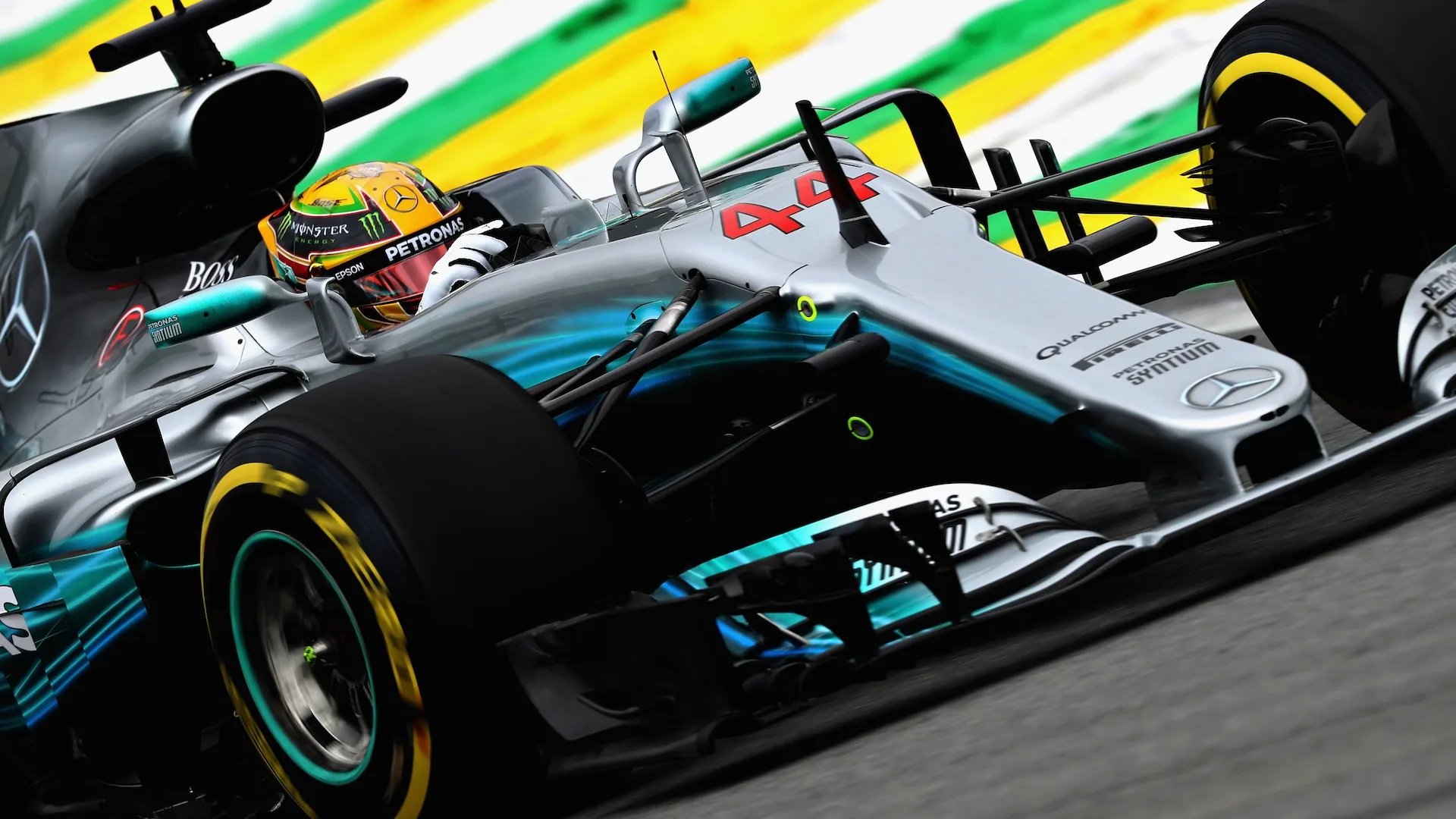
The aerodynamic regulations were changed again from 2016 into 2017, with the introduction of wider cars, almost reversing the dimensions that came into play in 1998.
The new cars were more aggressive and faster, setting a string of new track records, though again it was Mercedes who remained atop the standings.
However, after a supremely dominant three years, the Silver Arrows faced a renewed threat from Ferrari, before the Scuderia’s advance faltered in the final two-thirds of the campaign.
2021/22 – Red Bull return to form as ground effect returns
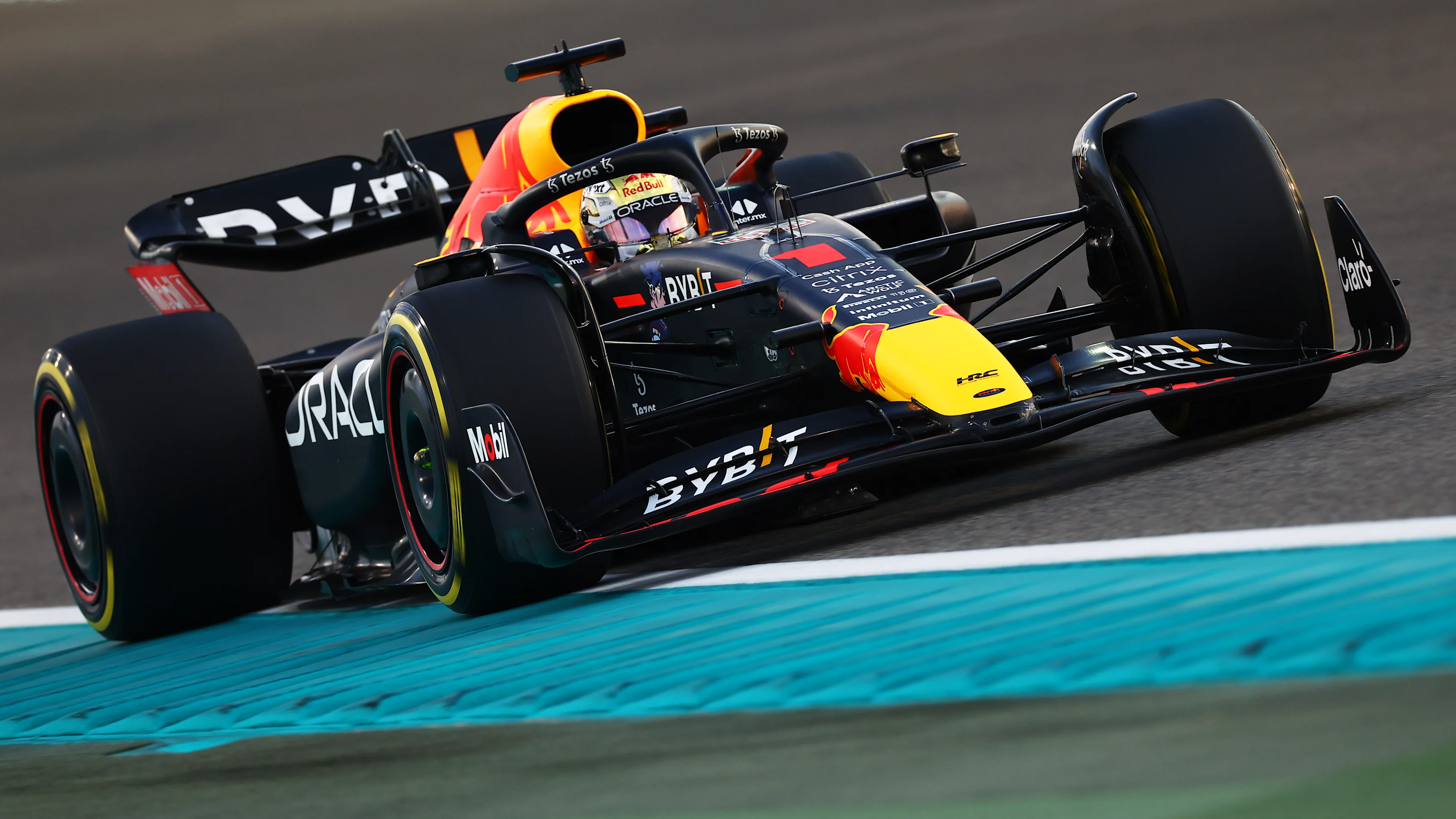
Mercedes won eight constructors’ titles on the bounce – setting a new Formula 1 record in the process – but under revised technical regulations featuring the return of ground effect in 2022, they finally faltered.
Their famous ‘zeropod’ design concept caught the eye early on but the team could never extract the potential they believed was there, and extreme porpoising proved the approach was fundamentally flawed.
Instead it was Red Bull Racing, who had finished runner-up to Mercedes in 2021, who reclaimed the crown, fending off an early threat from a rejuvenated Ferrari.
Mercedes wound up a distant third in the standings and claimed just a sole race win.
Next Up
Related Articles
 Ferrari's Larsen to return for 2027 F1 ACADEMY campaign
 How long do the drivers’ current contracts last?
 Inside Rwanda’s plan for the African Grand Prix
 Mekies hails ‘outstanding’ Verstappen in Red Bull resurgence
 'We owe him one' – Mekies on Hadjar's Singapore issues
 Freddie Hunt on father James’ legacy 50 years after his title